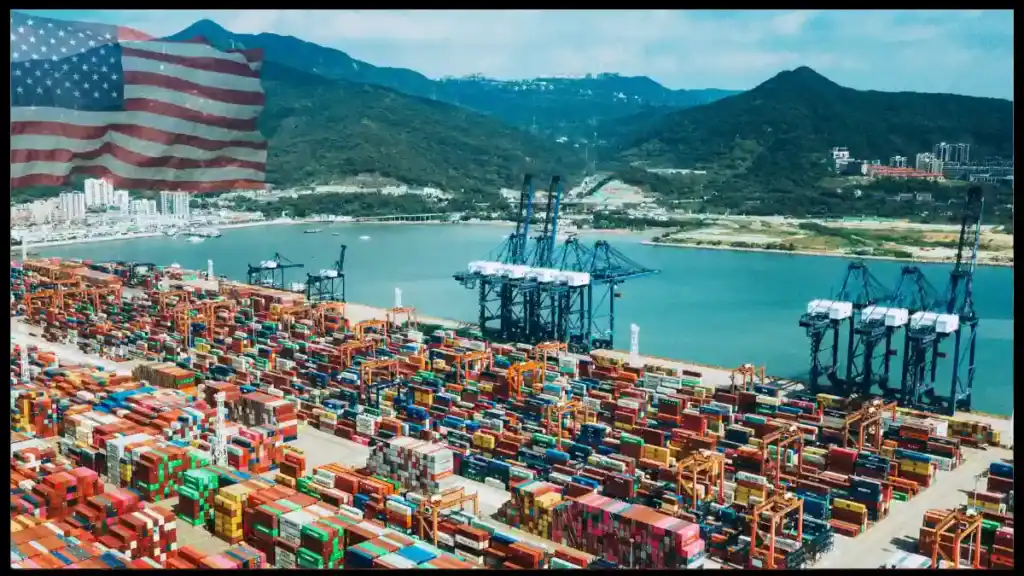
A tidal wave of US tariff actions this week, targeting Chinese cranes, Indonesian exports, and a broader swath of critical goods, has already diverted an estimated $2 billion worth of cargo. Major carriers like K-Line are pulling ships from US lanes, port authorities are scrambling to delay crane upgrades, and exporters are reevaluating their logistics hubs. With ripple effects now hitting freight rates and modernization projects, the maritime sector is entering a new phase of disruption driven by policy overreach and geopolitical maneuvering.
US Tariff Impact Matrix on Maritime
Policy / Tariff
Maritime Effect
Industry Response
Outlook
19% tariff on Indonesian goods
Could hit palm oil, fisheries, and timber shipments; container volume may dip.
Indonesia lobbying for exceptions; diversifying markets.
Stable if deal finalizes; risk of escalation if retaliatory tariffs follow.
Higher Chinese import tariffs
Shippers like K-Line and Kawasaki Kisen rerouting; shipping loss ~US$200M for K-Line alone.
Vessel networks being realigned to Africa/Middle East/Europe.
Route shifts to persist through US policy uncertainty; trade-dependent fleets could shrink.
100% tariff on Chinese port cranes
Port modernization programs threatened; crane delivery delays risky.
US ports seeking phased exemptions and domestic alternatives.
Standoff likely until exemption policy set; modernization timelines may slip.
Global reciprocal tariffs spike
Trade flux could shrink US container volumes; spot freight volatility.
Shipping companies adapting through flexible S&R, hedging.
Market volatility expected to remain elevated; inflation-linked volume shifts.
Note: Insights drawn from trade news, shipping CEO statements, and port-industry bulletins.
Industry Impact Overview
As U.S. trade policy tightens, especially with new and proposed tariffs targeting Chinese cranes and Indonesian exports, the maritime shipping industry is recalibrating operations, supply chains, and infrastructure investments. These shifts aren't isolated—they ripple through port strategies, regional alliances, and shipping route economics.
🔍 Key Impacts:
Carrier Realignments: Lines like K-Line are reducing U.S. sailings, rerouting capacity toward Latin America and Australia to avoid tariff pressure.
Port Equipment Backlog: U.S. port authorities warn that steep tariffs on Chinese cranes could delay key infrastructure upgrades for years.
Regional Diversification: Southeast Asia is adjusting policy (e.g., Indonesia's reduced tariff impact) to stay integrated in U.S.-centric trade lanes.
Freight Flow Redirection: Routes are pivoting toward tariff-exempt ports, pushing Latin American terminals to the spotlight.
Upgrade Freeze: Gulf Coast and West Coast ports are postponing modernization investments while awaiting policy clarity.
Global Maritime Adjustments to U.S. Tariff Pressure
Development
Region
Impact
Timeline
K-Line cuts U.S. sailings
Japan/U.S.
Redirects vessels to Latin America and Australia amid tariff uncertainty
Announced July 2025
Crane tariff exemption push
U.S.
Port operators urge delay of 100% tariffs on Chinese cranes
Lobbying active July 2025
Indonesia tariff adjustment
Southeast Asia
Tariff lowered from 32% to 19% following trade negotiations
Updated July 7, 2025
Rerouting to tariff-exempt ports
Latin America
Carriers explore alternative hubs to bypass U.S. import duties
Ongoing
Port projects reassessed
U.S. Gulf & West Coast
Terminal upgrades paused pending tariff outcomes
July–August 2025
Note: Insights drawn from trade policy updates, shipping line announcements, port authority statements, and tariff filings.