Black Sea Export Nerves Fray as Drone Strikes Revisit the Loading Chain
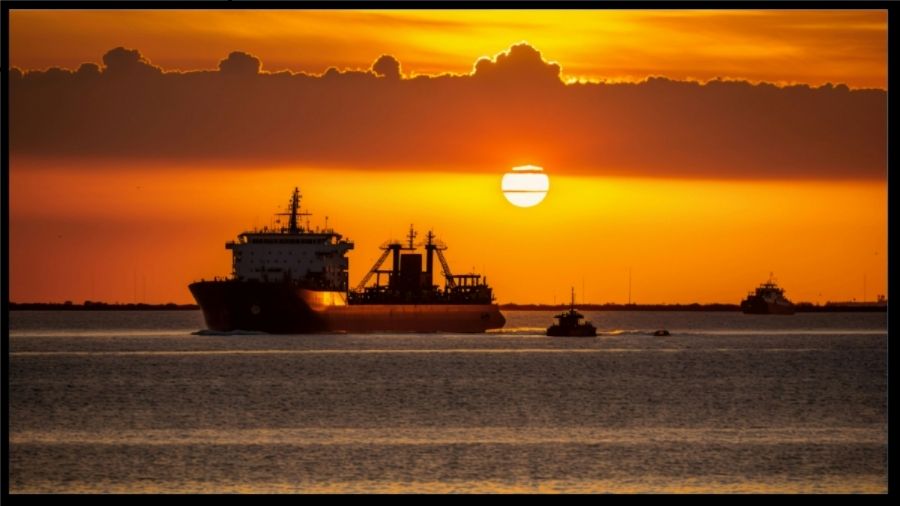
Drone attacks have pushed renewed pressure onto Russia’s Black Sea oil export system, with the latest strike wave centering on Novorossiysk and the nearby Caspian Pipeline Consortium terminal while Ukraine also said it hit the Sheskharis oil loading complex. Russia’s defence ministry said the CPC maritime transshipment complex was damaged, including a single-point mooring, loading infrastructure, and four large storage tanks, while Ukrainian military reporting said its drones hit oil loading infrastructure at Sheskharis, about 15 kilometres away. The area matters well beyond one port because Novorossiysk is Russia’s largest Black Sea oil outlet and the CPC route carries most of Kazakhstan’s crude exports to world markets. Kazakhstan said CPC shipments remained stable after the reported attack, but the renewed strikes still place Black Sea export hubs back under direct operational pressure at a time when Russian oil logistics have already been strained by recent attacks on Baltic terminals and by tighter system-wide export capacity.
Click here for 30 second summary ▶
Novorossiysk is under pressure again, and the export chain around it is back in the spotlight
The latest attack wave has put Russia’s Black Sea oil infrastructure back under direct scrutiny, with reported damage around the CPC terminal near Novorossiysk and a separate claimed strike on the nearby Sheskharis loading complex. This matters because the pressure is landing on an export cluster rather than a single isolated facility. Novorossiysk is Russia’s main Black Sea crude outlet, the CPC terminal carries most of Kazakhstan’s export crude, and Sheskharis remains one of the region’s most important loading points for Russian oil. Even with Kazakhstan saying CPC flows are stable for now, the renewed strikes reintroduce uncertainty around berths, storage, mooring points, tanker sequencing, and the wider reliability of Black Sea oil liftings.
| Pressure lane | Latest marker | Immediate operating read | Export transmission | Commercial consequence | Next checkpoint |
|---|---|---|---|---|---|
| CPC terminal | Russia said the CPC marine terminal near Novorossiysk was damaged, including a mooring point, loading infrastructure, and four storage tanks. High-value export node | Even limited physical damage matters because the CPC complex is not just another berth. It is the main seaborne outlet for most Kazakh crude exports. | Any reduction in loading flexibility at CPC would ripple beyond Russian exports and into Kazakh supply planning. | Traders watch not only whether oil moves today, but whether the terminal can keep moving at scale without intermittent halts. | Watch whether CPC itself confirms any operational limitation or whether Kazakhstan’s stable-flow line holds through the week. |
| Sheskharis | Ukraine said it struck oil loading infrastructure at Sheskharis and a security source said six of seven loading stands were damaged. Core Russian loading complex | Sheskharis is central because it handles substantial crude volumes and product exports, so even partial disruption can force loading rescheduling. | If berth availability narrows, tanker queues and cargo timing become the first pressure points before outright volume collapse. | Exporters may keep cargoes moving, but with more bunching, revised windows, and shorter planning visibility. | Watch whether berth-specific outages appear in loading programs or whether operations quietly slow without formal suspension. |
| Novorossiysk cluster | Drone attacks hit the wider Novorossiysk area again, where air raid alerts typically suspend terminal operations. Cluster risk, not single-point risk | This is a cluster problem because the city, port, CPC assets, and Sheskharis all sit inside the same wider operating geography. | Even if one facility keeps flowing, repeated alerts can slow the whole export rhythm by interrupting loading cycles and tanker handling. | Buyers care less about one-night damage than about whether the cluster keeps forcing stop-start operations. | Watch whether more air alerts translate into recurrent pauses even without new confirmed infrastructure damage. |
| Kazakh crude dependency | Kazakhstan says CPC exports remain stable, but the route still carries about 80% of its crude exports. Stability with concentration risk | Stability today does not remove the strategic concentration problem around one Black Sea outlet. | If CPC is pressured repeatedly, Kazakhstan would again face pressure to reroute barrels or manage lower export flexibility. | That can alter cargo allocation, freight behavior, and buyer confidence even before actual export loss shows up. | Watch whether Astana begins discussing contingency routing or whether it keeps insisting operations are normal. |
| Russia-wide export system | Recent reporting said attacks on ports, pipelines, and refineries cut Russian export capability by roughly 1 million barrels per day. Black Sea pressure joins a wider bottleneck | The Black Sea strikes arrive while the system is already dealing with Baltic disruption, refinery constraints, and storage pressure. | That means even a limited Black Sea problem can have larger consequences because the rerouting options are already narrower than normal. | Markets should read this as compounded logistics strain, not a single-port event in isolation. | Watch whether more production cuts become necessary if export bottlenecks widen again. |
| Throughput versus confidence | Kazakhstan reported stable flows one day after Russia reported the attack. Flow can remain stable before confidence does | A system can keep moving while still becoming less dependable and harder to plan around. | The deeper issue is whether export hubs are becoming more vulnerable to repeated interruptions, not whether every strike halts flows immediately. | That distinction matters to traders, tanker operators, and cargo buyers who price reliability as much as physical volume. | Watch whether stable daily flows persist or whether loadings start slipping behind schedule over the next several days. |
We welcome your feedback, suggestions, corrections, and ideas for enhancements. Please click here to get in touch.