Trump Floats a Hormuz Toll as Strait Deadline Pressure Peaks
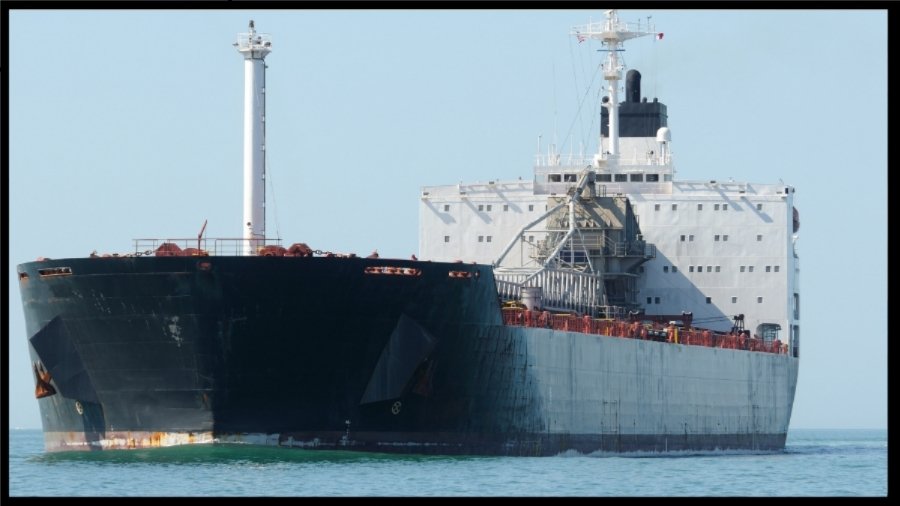
President Donald Trump has floated the idea of the United States charging ships a fee to pass through the Strait of Hormuz just as his latest deadline for Iran to reopen the waterway reaches its most dangerous phase. At an April 6 White House appearance, Trump said the U.S. could charge ships for using the strait and framed the idea in victory-language, while separately insisting that Iran reopen Hormuz by Tuesday evening Washington time or face major new attacks on bridges and power plants. The toll idea is not an announced policy, and there is no visible U.S. mechanism yet for collecting such a charge, but it has landed at a moment when the Strait is still heavily disrupted, oil is hovering around $110 a barrel, the U.N. Security Council is only considering a softened shipping-protection resolution centered on defensive coordination and escorts, and Iran is itself demanding the right to levy variable fees on ships as part of any lasting settlement. In other words, the passage debate has shifted in a matter of days from simply reopening traffic to a much more contested question of who controls access, under what conditions, and at what cost.
The Strait debate is widening from access to pricing power
The immediate story is no longer only whether Hormuz reopens. It is also who claims the right to control or monetize passage.
| Pressure lane | Current position | Importance | Commercial effect | Next signal to watch |
|---|---|---|---|---|
| Trump toll proposal | Trump has floated charging ships for transiting Hormuz. The idea appears as a political and bargaining signal, not as a published U.S. tariff system with an operating framework. Proposal, not operating policy | It introduces a second layer of uncertainty on top of war risk, because owners and charterers now have to think about possible access pricing as well as physical safety. | Even without implementation, the idea can change freight negotiations and contingency planning. | Whether the White House, Treasury, Pentagon, or Coast Guard converts the remark into a defined mechanism. |
| Deadline pressure | Trump has tied the reopening demand to a Tuesday evening deadline. His warning included large-scale strikes on Iranian bridges and power plants if the Strait is not reopened. Escalation clock still active | The toll idea lands inside a live coercive deadline, which makes it part of the same negotiating pressure cycle rather than a standalone shipping concept. | Markets price not just closure risk, but also the possibility of another jump in regional disruption. | Whether the deadline slips again, produces a deal, or triggers additional strikes. |
| Iran’s own fee demand | Tehran is also pushing for the right to charge variable fees on ships as part of a permanent settlement. Its formula reportedly depends on ship type, cargo, and prevailing conditions. Competing claims to passage pricing | This turns toll talk into a two-sided sovereignty contest rather than a one-off Trump remark. | Shipping faces the risk of layered access costs or selective treatment tied to cargo and flag profile. | Whether fee language appears in any ceasefire or peace package. |
| Shipping security framework | The U.N. route remains limited. The latest draft resolution encourages defensive coordination and vessel escorting, but drops any direct authorization of force. Soft security posture | Without a stronger neutral framework, any talk of tolling or controlled passage becomes more destabilizing because it is not matched by a settled enforcement regime. | Operators still face bespoke risk decisions rather than a clean convoy or corridor model. | Whether the resolution passes and whether escorts become real operating practice. |
| Oil and cargo market response | Oil remains elevated and the prompt crude market is distorted. WTI has been trading above Brent, showing how much the market values immediate replacement barrels. Prompt supply stress still visible | A toll threat matters most when the market is already struggling with timing, not just total supply. | Any new cost at Hormuz would ripple into freight, refining margins, and spot cargo pricing almost immediately. | Whether traders begin explicitly pricing a Hormuz fee risk into physical deals. |
| Legal backdrop | Hormuz is generally treated internationally as a strait used for international navigation. That means transit passage rights, sea-lane designation powers, and safety rules are part of the established legal frame, not open-ended pricing freedom. Law of the sea still matters | The legal question is central because a toll system would have to coexist with or attempt to override long-standing navigational rules. | That raises immediate uncertainty for insurers, flag states, naval escorts, and cargo contracts. | Whether any state formally challenges a fee concept on legal-navigation grounds. |
The story is shifting from a simple reopen-or-stay-shut frame into a more complex contest over control, escorts, and possible passage charges. For shipping, that means the Strait’s commercial risk is becoming more layered, not less.
The toll idea matters because it changes the bargaining map
The immediate danger is not that a tariff booth appears tomorrow. It is that access pricing is now being used as leverage by both sides while the shipping system is still unstable.
Trump’s toll remark lands in a fragile moment because Hormuz is already operating under coercive politics rather than ordinary commercial navigation. The Strait has been effectively disrupted since late February, oil markets are still carrying a prompt-barrel stress premium, and diplomatic efforts at the U.N. have narrowed to defensive coordination rather than any robust authorization of force. In that context, even a floated U.S. charge matters because it adds a new commercial variable to an already overburdened route: not just whether a ship can pass, but whether a fee, escort condition, or political screening regime might attach to that passage.
The legal and operational gap is also important. Transit passage through international straits is generally understood as a protected navigational regime, and bordering states can regulate sea lanes and traffic separation for safety, but that is different from openly monetizing routine passage as wartime spoils. At the same time, Iran is not arguing for open status quo navigation either. Its current negotiating position reportedly includes the right to charge fees based on vessel type, cargo, and prevailing conditions. That means shipping is now caught between competing access claims at the exact moment when the market needs clarity, not additional layers of discretionary control.
Shipping cannot model a toll without a collector
There is no visible U.S. collection architecture for a Hormuz toll at this point. No tariff schedule, vessel-class matrix, customs collection method, or enforcement process has been published. That leaves the remark as a negotiating signal rather than an operating rule, but negotiating signals still move freight markets when deadlines are active.
Escorts and tolls would produce very different corridors
An escort-centered solution tries to lower security risk while preserving navigation. A toll-centered solution implies someone is claiming authority over passage. Those are not the same commercial environment, and charterers would price them very differently.
The oil market is already primed for new cost layers
Prompt barrels are commanding exceptional value, Saudi prices to Asia have risen sharply, and refiners in Asia and Europe are scrambling for replacement flows. In that setting, even a hypothetical Hormuz fee becomes relevant because it would arrive on top of existing war premium, delay, and replacement sourcing cost.
Deadline politics are amplifying every stray comment
Ordinarily a comment like this might be brushed aside. Under a same-day strike threat, U.N. voting, and an unresolved closure, it becomes part of the live decision environment for shipowners, traders, and importers.
Signals on the board now
The market is watching for four things at once: whether the deadline is enforced or postponed, whether the U.N. produces even a limited escort framework, whether either side formalizes a fee schedule, and whether physical crude and LNG flows begin to recover before political pricing claims harden into actual transit conditions.
Hormuz Toll Shock Estimator
Model the extra cost stack if passage through Hormuz carries a transit fee on top of today’s delay, insurance, and operating friction.
This model treats a Hormuz toll as one additional layer inside a route that is already expensive. It helps show how even a modest passage charge can matter once it sits on top of waiting time, insurance, and operational friction.
We welcome your feedback, suggestions, corrections, and ideas for enhancements. Please click here to get in touch.