Selective Passage Replaces Normal Shipping in Hormuz
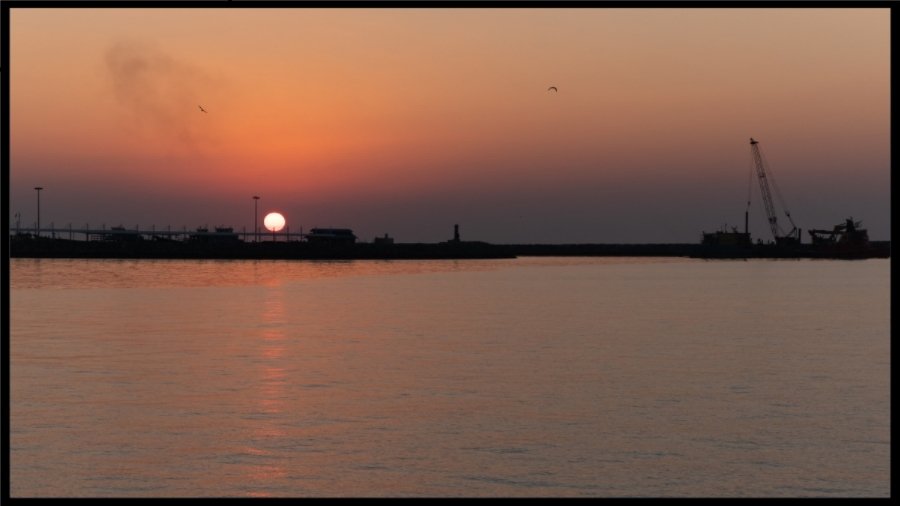
The Strait of Hormuz is no longer behaving like a normal commercial corridor with elevated risk. It is starting to look more like a politically filtered access system. New reporting says commercial traffic remains virtually non-existent, while analysts increasingly describe passage as “selective,” with some vessels seen as more likely to move based on diplomatic alignment or perceived friendliness. Once access becomes conditional rather than broadly commercial, shipping stops being governed mainly by freight economics and starts being shaped by geopolitics, insurance tolerance, and who is believed to be acceptable to coastal power centers. UNCTAD says daily ship transits through Hormuz fell 97% from a February average of 141 per day to low single digits in early March, while the IEA says oil and product export volumes through the strait dropped to less than 10% of pre-conflict levels.
Click here for 30 second summary of the full piece ▶
Hormuz shifts from open lane to selective passage
The latest signal is not just that traffic is near-zero. It is that access itself may now be filtered. Analysts increasingly describe a corridor where some ships may be tolerated while mainstream commercial shipping still cannot rely on normal freedom of navigation, normal insurance terms, or normal operating confidence.
- Traffic picture daily transits collapsed from normal February levels to low single digits.
- New twist ships are using political or identity signaling as part of transit risk management.
- Market meaning even if isolated ships move, the lane remains commercially broken until regular transit returns.
Selective access is worse than a simple slowdown because it fragments the market. Some vessels may pass, but broad commercial confidence stays weak, leaving owners, charterers, and cargo planners with a corridor that remains hard to schedule, hard to insure, and hard to trust.
| Fast reader take | Shift now visible | Importance | Negative shipping consequence | Shows up first | Closest stakeholders |
|---|---|---|---|---|---|
| Hormuz is starting to operate on political permission rather than normal commercial access |
Analysts are increasingly describing passage as selective, with some ships seen as more likely to move based on diplomatic or operational considerations.
selective passage
political filtering
|
Route access becomes less about charter economics and more about perceived alignment, nationality signals, and state tolerance. | Market fragmentation rises because some operators may move while most mainstream commercial tonnage still stays out. | Uneven vessel behavior, distorted AIS messaging, and higher dependence on informal risk interpretation. | Tanker owners, liner operators, ship managers, insurers, cargo planners. |
| Near-zero commercial movement is still the main fact on the water |
The corridor remains commercially broken even if isolated vessels transit.
traffic collapse
commercial paralysis
|
A handful of movements does not restore a functioning market. Ships, cargoes, berths, and bunker plans still cannot be scheduled with normal confidence. | Delays, bunching, stranded tonnage, and more off-pattern routing behavior continue. | Waiting time, loading uncertainty, and more cargo substitution discussions. | Charterers, terminal planners, bunker suppliers, agents, freight desks. |
| Political signaling is becoming part of voyage risk management |
Some ships have broadcast China-linked messages while transiting or approaching the area in apparent efforts to lower targeting risk.
identity signaling
risk messaging
|
Crews and operators are no longer relying only on routing and insurance. They are trying to communicate perceived neutrality or friendliness. | Commercial transparency degrades and voyage interpretation becomes more ambiguous for counterparties and surveillance platforms. | Strange destination entries, mixed AIS behavior, and more caution from compliance teams. | Owners, compliance teams, intelligence providers, coastal states, insurers. |
| Container and tanker disruption are spreading in different ways |
Containers face diversion, peripheral discharge, and equipment imbalance, while tankers compete for alternative load areas outside the main Gulf corridor.
container spillover
tanker repositioning
|
The crisis is no longer only about crude flows. It is now reshaping wider shipping networks and asset utilization. | Congestion rises at substitute ports and actual fleet earnings can diverge from headline freight indicators. | Peripheral Gulf port buildup, longer repositioning legs, and equipment shortage conversations. | Liner networks, tanker operators, ports, shippers, equipment planners. |
| Emergency oil policy cannot fully solve a shipping access problem |
Strategic stock releases can buffer markets, but regular transit, insurance support, and credible protection are still needed for stable flows to return.
stocks are a buffer
shipping still central
|
The shipping lane itself remains the binding constraint even when governments act on supply. | Oil markets may calm before maritime operations do, leaving a gap between headline relief and real shipping conditions. | Insurance gating, cautious fixture behavior, and slow recovery in mainstream transit confidence. | Energy planners, shipowners, underwriters, governments, commodity traders. |
Selective access stress test
This tool helps readers map when Hormuz is acting less like a disrupted shipping lane and more like a politically filtered corridor. The point is not whether one vessel gets through. The point is whether normal commercial confidence has returned.
Signals that keep the lane commercially broken
- Traffic stays near-zero even after public talk of reopening or protection.
- Some ships look safer than others because of nationality, messaging, or diplomatic ties.
- Insurers still gate transit hard because the threat picture remains unstable.
- Alternative ports and offshore workarounds gain importance as direct corridor use remains unreliable.
- Containers and tankers react differently, but both lose schedule confidence.
Commercial freedom index
Check the conditions that match the current picture. The higher the score, the more the market is operating under selective passage rather than open commercial freedom.
Once access becomes selective, the market loses one of the foundations of normal shipping behavior. Owners and charterers stop asking only whether the freight works and start asking whether the voyage is politically acceptable, insurable, and survivable. That usually means fewer transits, more rerouting, and a slower recovery even after the first headlines soften.
We welcome your feedback, suggestions, corrections, and ideas for enhancements. Please click here to get in touch.