Iran dark fleet pressure climbs as enforcement expands into ports and the high seas
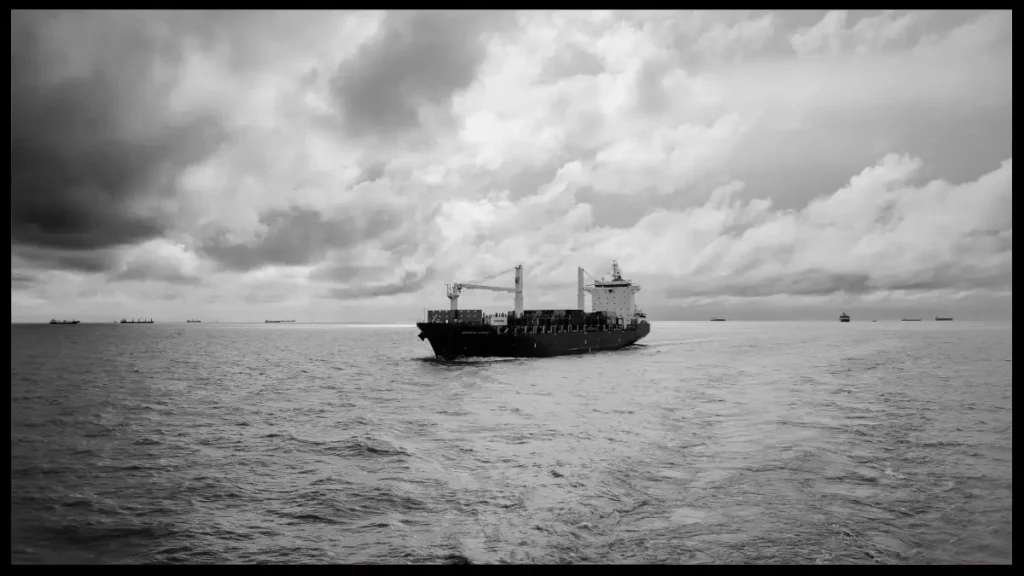
The latest Iran-linked “dark fleet” updates are less about a single headline and more about a widening enforcement perimeter: new vessel designations, more aggressive scrutiny of ship-to-ship behavior, and visible interdiction actions that increase the odds of delay, denial, or documentation holds for higher-risk voyages.
Click here for 30 second summary
Iran dark fleet updates in one read
Recent updates show a tightening environment around Iran-linked oil movements: U.S. authorities published additional actions targeting ships and related entities, and enforcement activity has been visible in the Arabian Sea, increasing the chance of boarding, detention, and documentation holds for higher-risk profiles.
- Published action momentum
New vessel and entity actions were published in late January and early February 2026. - On-water enforcement signal
Detention and interception activity has been reported west of Mumbai, highlighting rising execution risk in STS-adjacent waters. -
Bottom Line ImpactThe operational cost is time and clearance uncertainty: more review layers, more documentation churn, and a higher chance of delay for tanker movements that resemble sanction-evasion patterns.
| Reader need | Latest datapoint | Execution friction that follows | First to feel it | Planning read-through |
|---|---|---|---|---|
| Sanctions list keeps growing |
New rounds of vessel-linked actions and blocks have been published by U.S. authorities, adding more hulls and related entities tied to Iran oil movements.
new designationsentity linksownership checks
|
Screening depth increases: beneficial ownership, manager history, and voyage history get re-validated more often before fixture and before discharge. | Traders, charterers, port agents, banks, and P&I teams dealing with any “similar profile” tonnage. | Expect more “hold points” in documentation workflows and slower time-to-clear for higher-risk nominations. |
| Offshore interdiction is no longer theoretical |
India’s Coast Guard reported seizing three sanctioned tankers offshore of Mumbai in an oil-smuggling case.
Visible enforcement action creates a quick behavior change across nearby STS-active waters.
|
Higher probability of boarding, escort-to-port, and investigative delays when patterns resemble unreported transfers or opaque identity trails. | Arabian Sea operators, STS service providers, and any voyages using “quiet” transfer tactics. | Buffer time and contingency routing become more important than the headline voyage distance. |
| Pressure is shifting toward seizure logic | Reporting indicates U.S. officials have discussed tanker seizures as an escalation option targeting Iranian oil flows. | Counterparty caution rises: cargo documentation and jurisdictional exposure are re-checked earlier in the trading cycle. | Traders moving higher-risk barrels; owners evaluating employment that depends on “light oversight.” | The cost of “optional ambiguity” rises, making compliant substitutes and clearer paper trails more valuable. |
| Gulf seizures run both directions | Iran has also announced seizures of foreign tankers in fuel-smuggling cases in the Persian Gulf. | Local security and legal exposure remains live: detentions can occur with limited warning and unclear timelines. | Regional shuttle trades and crews operating near sensitive island and patrol zones. | “Time risk” in the Gulf remains a real line item, not just an insurance footnote. |
| Risk is not only commercial | Analysts and experts are warning that aging, lightly supervised fleets elevate spill and casualty risk, with cleanup liability questions when insurance is weak or absent. | Port state attention increases after incidents: condition, class status, and insurance proofs become harder gates. | Coastal states, ports, salvors, and insurers watching for worst-case exposure. | Environmental risk becomes another reason for tougher inspections and “no-compromise” documentation demands. |
Recent updates point to a tighter operating environment for Iran-linked oil movements: additional vessel and entity actions published by U.S. authorities, and on-water enforcement activity that increases the chance of holds, questioning, and documentation checks on higher-risk voyages.
We welcome your feedback, suggestions, corrections, and ideas for enhancements. Please click here to get in touch.