US Boards Sanctioned Tanker Aquila II in the Indian Ocean
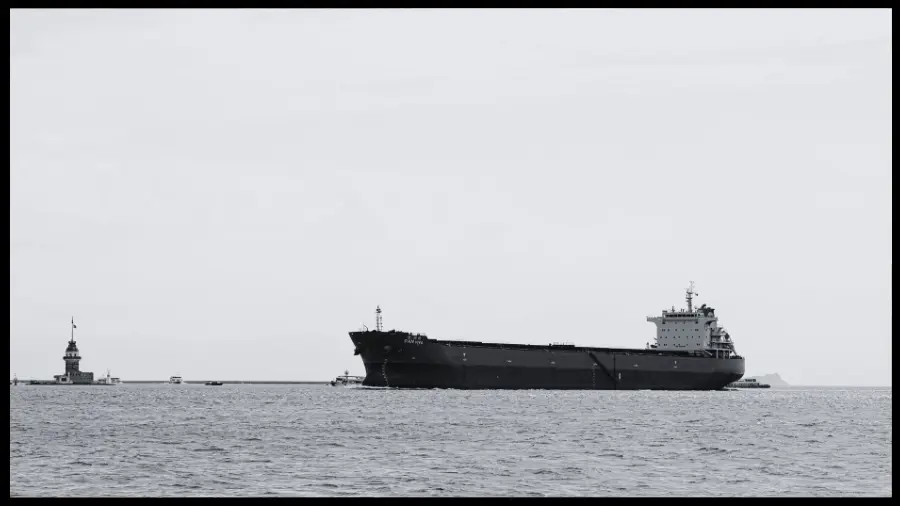
U.S. forces boarded the crude oil tanker Aquila II in the Indian Ocean after tracking it from the Caribbean in what was described as a right-of-visit maritime interdiction conducted without incident. Reporting frames the ship as a sanctioned tanker tied to sanctions enforcement efforts against “shadow fleet” behaviors, including periods of operating dark, with U.S. officials saying the vessel is being held while authorities determine next steps.
Get the maritime stories operators are watching.
Stay ahead of vessel markets, port disruption, maritime technology, and more.
Click here for 30 second summary
Aquila II interdiction in one read
U.S. forces boarded the sanctioned crude oil tanker Aquila II in the Indian Ocean after tracking it from the Caribbean, with officials describing the boarding as completed without incident. The vessel was reported as being held while authorities determine next steps.
- Action confirmed
Boarding and interdiction were publicly described as completed without incident. - Long-range pursuit feature
Reporting highlighted an extended pursuit arc before the boarding took place. - Disposition still open
Detention duration, diversion decisions, and any follow-on legal steps were not fully defined in initial updates.
The event raises the perceived enforcement reach for sanctioned and opaque tanker activity, tightening practical tolerance for identity ambiguity and weak documentation across voyage-service chains.
| Fast reader take | Interdiction snapshot | Sanctions anchor | Execution signal | Impact |
|---|---|---|---|---|
| Physical boarding, not just designation |
U.S. forces boarded the tanker Aquila II in the Indian Ocean after tracking it from the Caribbean, reporting the boarding was completed without incident.
Location Indian Ocean Action Boarding / interdiction
|
Aquila II appears on U.S. Treasury sanctions lists, including Russia-related programs, with an identified flag in sanctions records.
List status Sanctioned vessel
|
The event was framed as a right-of-visit maritime interdiction, signaling the ability to act at range after extended tracking.
Pattern Long-range pursuit to boarding
|
Tanker owners and managers, charterers, insurers, bunker suppliers, and port agents screening counterparties and voyages. |
| Shadow-behavior scrutiny stays hot |
Reporting describes the ship as linked to sanctions-evasion trade patterns, including periods of operating dark.
Behavior flag AIS interruptions cited in reporting
|
Sanctions linkage is tied to broader enforcement aimed at restricting sanctioned oil movements and associated services.
Risk type Secondary exposure and services risk
|
Boardings increase perceived detection probability for dark behavior, false flag narratives, and opaque ownership chains.
Practical effect Higher verification burden at fixture and port call
|
Any stakeholder touching voyage services: vetting desks, legal and compliance teams, P&I, hull, traders, and intermediaries. |
| Uncertainty now shifts to disposition |
The ship was reported as being held while authorities determine next steps.
Near term Outcome pending
|
Sanctions records provide identifiers, but reporting noted uncertainty in some databases about registration details.
Data watch Verify identifiers across sources
|
Disposition pathways can include continued detention, diversion, or further legal steps depending on jurisdiction and authorities involved.
Watch item Port, flag, and custody decisions
|
Owners with exposure to high-risk trades, operators routing through sensitive jurisdictions, and financiers monitoring enforcement intensity. |
Event anchors
The public record describes a long-range track-and-board sequence ending with the vessel held while authorities determine next steps. The distinctive feature is the geographic reach of the interdiction, not a new sanctions designation.
Enforcement ladder, illustrated
Relative escalation steps shown as an illustrative graphic. This is not a probability forecast.
A boarding outcome increases the perceived enforcement reach for sanctioned and opaque tanker activity, which tightens tolerance for identity ambiguity and weak documentation across the voyage-services chain.
We welcome your feedback, suggestions, corrections, and ideas for enhancements. Please click here to get in touch.