Sinokor Becomes a “Super” VLCC Operator: 16% Share of the Mainstream Fleet in New Broker Data
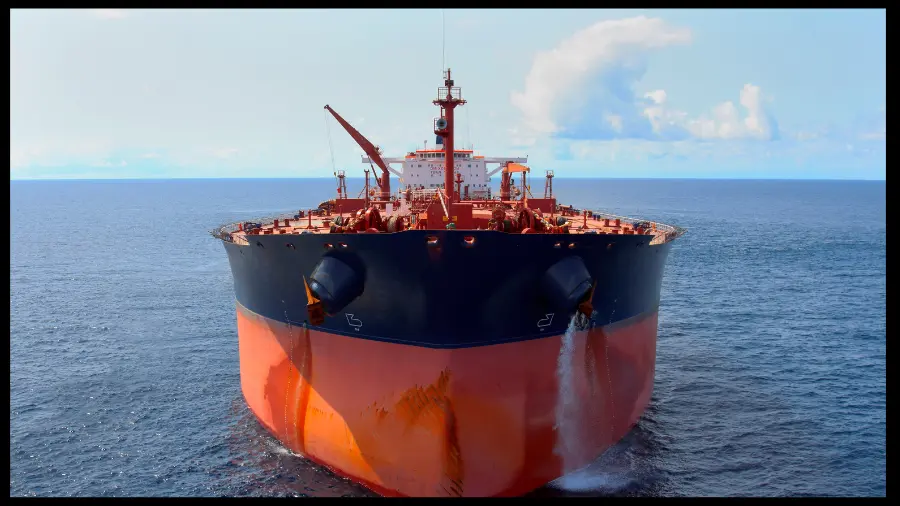
Fresh broker datasets are now framing Sinokor as one of the largest concentrated operators in the VLCC segment, after a sustained run of secondhand buying and charter-in activity. The headline takeaway is scale: estimates suggest Sinokor’s VLCC exposure could reach roughly 118 ships once pending units are counted, equating to about 13% of the active VLCC fleet, or around 16% of the “mainstream” fleet when “grey fleet” tonnage is excluded.

Subscribe to the Ship Universe Weekly Newsletter

Click here for 30 second summary

Sinokor and VLCC concentration in one read

Newly published VLCC ownership and operating charts are placing Sinokor among the top tier of the segment. The reported datapoint is operated exposure: estimates cite roughly 118 VLCCs controlled once linked vessels are included, equal to about 13% of the active VLCC fleet and about 16% of the mainstream fleet when grey tonnage is excluded.

  • Scale
    Around 118 VLCCs controlled in the reported dataset view.
  • Two shares
    About 13% of active VLCCs, rising to about 16% under a mainstream filter that excludes grey fleet tonnage.
  • Broader context
    Other published tables show high top owner concentration, reinforcing that changes at the top can move the segment quickly.
Bottom Line Impact
Concentration is becoming part of the baseline VLCC story: mainstream supply modeling can look materially tighter once grey fleet tonnage is removed, making a single operator’s operated footprint more consequential.
Sinokor’s VLCC footprint jumps into “super operator” territory New broker math points to about 13% of active VLCCs, or about 16% of the mainstream fleet when “grey” tonnage is excluded
Reader shortcut Latest data point Changes Impact Important qualifiers
Scale headline Broker datasets suggest Sinokor could control about 118 VLCCs (owned or chartered-in) once all linked ships are counted.
Often cited as “operated” exposure rather than pure owned fleet.
Concentration becomes a feature of the segment, not noise, with one operator holding meaningful swing capacity. Chartering desks, major oil traders, and competing VLCC owners benchmarking supply. Counts can shift as deals finalize, delivery timing firms up, or charters roll.
Market share lens About 13% share of the active VLCC fleet is cited once all vessels are delivered, based on the same broker math. Changes the way “available” tonnage is modeled for major trade lanes, particularly when prompt supply tightens. Cargo interests planning liftings and owners pricing prompt availability. “Active fleet” definitions vary by dataset and age or trading status filters.
Mainstream-only view Excluding vessels classified as “grey fleet,” Sinokor’s share is cited around 16% of the mainstream VLCC fleet.
The grey-fleet exclusion is a key reason the percentage rises.
Highlights the split between compliant mainstream supply and sanction-sensitive trading pools. Compliance-led charterers, insurers, and vetting teams. Grey-fleet definitions differ by provider and can change as vessels reflag or change trading patterns.
Asset market signal Multiple reports tie Sinokor’s spree to higher VLCC values and tighter secondhand liquidity in early 2026. When one buyer absorbs much of the market, price discovery shifts quickly, especially for modern or mid-aged tonnage. Sellers, brokers, lenders, and any owner evaluating divestment or refinancing. Value moves also reflect rate swings and general tanker sentiment, not only one buyer.
Fleet structure read The growth is described as a mix of purchases and charter-ins rather than a single path. Operational control and optionality can expand faster than shipyard orderbooks, changing competitive dynamics in the near term. Competitor owners and pool operators tracking who controls prompt tonnage. Charter duration, redelivery options, and financing terms determine how durable the footprint is.
Scale headline

Estimates cite around 118 VLCCs controlled once linked vessels are included, using an operated exposure lens.

Often described as owned plus chartered-in control, not only owned fleet.
Two market share views

The same datasets cite about 13% of the active VLCC fleet, rising to about 16% when grey fleet tonnage is excluded.

This is a definitional shift, not a sudden change in physical ships.
Concentration backdrop

Separate tables show the top VLCC owners collectively holding a large slice of the sector, reinforcing that the segment is tightening at the top.

This frames why a single operator’s growth can move sentiment quickly.
Share bars from the latest published datasets
Sinokor share of active VLCC fleet
Loading…
Sinokor share of mainstream VLCC fleet
Loading…
Top ten owners share of global VLCCs
Loading…
Top ten owners share of mainstream VLCCs
Loading…
These figures are presented as reported by recent broker and industry datasets. Definitions can differ by provider.
Definitions that change the percentages

Active fleet

Broad count of trading VLCCs in service, typically without filtering for sanction sensitivity or trading patterns.

Mainstream fleet

A filtered set that excludes vessels classified as grey, usually raising the share of operators focused on compliant trading pools.

Quick tool: convert fleet share into ship count
Click Calculate to estimate ship count from your fleet size and share.
This is a reader aid. Published datasets vary on fleet size definitions and grey fleet classification.
Bottom Line Impact
A single operator moving into double digit share territory changes how chartering desks and analysts think about prompt availability and concentration risk, especially once the market is viewed through a mainstream filter that removes grey fleet tonnage.
We welcome your feedback, suggestions, corrections, and ideas for enhancements. Please click here to get in touch.
By the ShipUniverse Editorial Team — About Us | Contact