MSC Returns to 5000 TEU Container Newbuilds Reported at Yangzhou Guoyu
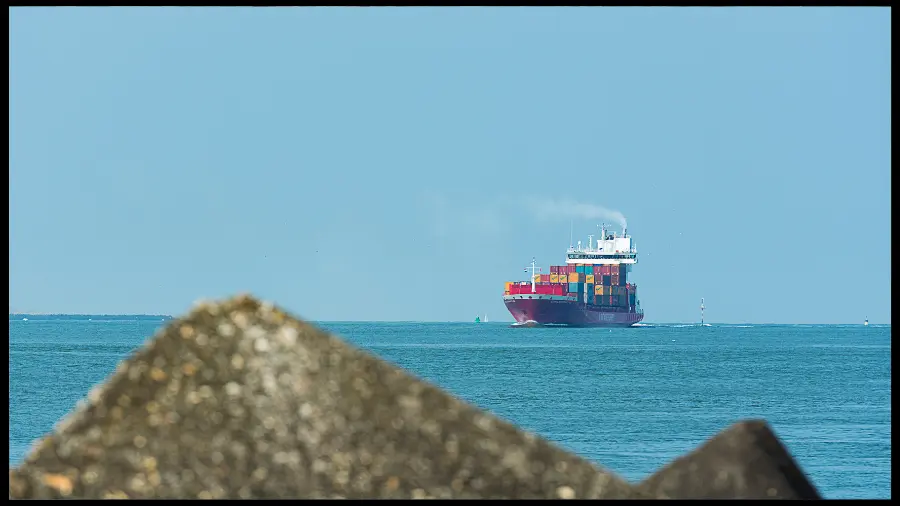
MSC is being linked to a fresh move back into the mid-sized 5,000 TEU newbuild bracket at China’s Yangzhou Guoyu, a notable pivot after years where its orderbook focus skewed much larger. Market talk points to at least two firm ships with suggestions the package could be larger via options, and early timelines circulating put first deliveries in 2H 2028. The signal is less about headline capacity and more about fleet-shape intent in the 4,000 to 6,000 TEU band that feeds regional loops and secondary trades.
Click here for 30 second summary
MSC mid-size newbuilds in one read
Market reporting links MSC to newbuildings around 5,000 TEU at China’s Yangzhou Guoyu. The ships are described as conventionally fuelled, and the ship count being discussed ranges from at least two firm to a package of up to four.
- Order lane
Mid-size container ships around 5,000 TEU tied to Yangzhou Guoyu. - Count range
Reporting varies on final number, with two firm cited and a higher total discussed elsewhere. - Design tone
Conventional fuel described for this series, rather than an alternative-fuel headline. - Timing
Delivery talk centers on the 2028 window.
The core signal is segment choice. A return to 5,000 TEU ordering adds forward visibility in a bracket that strongly influences mid-size and feeder sentiment.
| Reader shortcut | Order footprint | Spec and timing | Network intent | Fast market implications |
|---|---|---|---|---|
| Back in the 5,000 TEU lane |
Reported order at Yangzhou Guoyu for about 5,000 TEU ships.
Numbers vary by source: at least two firm, with some reporting up to four total.
|
Described as conventionally fuelled.
Delivery timing being discussed centers on 2028.
|
Signals renewed attention to the “workhorse” segment that plugs into regional loops and secondary strings. | Adds forward supply visibility in a band that often sets the tone for feeder and mid-size charter sentiment. |
| Why the count matters |
Small on paper, but MSC scale makes even a limited order feel like a direction-of-travel marker.
The story is the segment choice as much as the TEU count.
|
2028 slots place the ships into the next planning cycle rather than near-term capacity. | Mid-size ships help in networks where ultra-large ships are less practical due to port, rotation, and frequency needs. | Secondhand values and forward charter talk can react early to “replacement risk” even years ahead. |
| Price talk as a benchmark |
Reporting has framed a package value above $200m for four ships.
Implied unit pricing becomes a reference point for comparable designs.
|
Conventional-fuel builds often read as faster-to-contract and simpler-to-deploy in this size range. | Suggests MSC wants owned flexibility in the mid-size range, not only chartered coverage. | Competitive newbuild pricing can pull more owners into the same band, affecting forward supply pressure. |
| Segment ripple effect | 5,000 TEU sits between feeders and post-panamax, often used for relay legs and niche east-west coverage. | A 2028 delivery window intersects broader orderbook waves, which can influence renewal decisions earlier. | Adds optionality for cascading when larger ships displace mid-size units from primary trades. | Owners and charterers may tighten focus on “modern eco mid-size” availability and contract length. |
| What to watch next | Confirmation of the final ship count and whether options convert into firm tonnage. | Any confirmed price level and design details beyond “conventional fuel.” | Whether similar mid-size orders follow at other yards, turning this into a pattern instead of a one-off. | If more programs appear, the mid-size band could see a clearer forward supply ceiling priced into charters. |
Reported footprint
5,000 TEU class newbuilds at Yangzhou Guoyu; counts discussed range from two firm to a four-ship package.
Spec tone
Ships are described as conventional fuel, reinforcing a practical, deployable mid-size addition rather than a new propulsion statement.
Timing talk
Delivery timing being discussed sits in the 2028 window, which helps frame forward replacement risk in this band.
Mid-size segment sensitivity map
Directional visual for why 5,000 TEU news tends to transmit quickly through charter and secondhand conversation in this band.
Details that still need confirmation
- Final ship count and whether the package includes options beyond firm contracts.
- Yard slot allocation that would anchor first delivery timing with more precision.
- Price and design disclosures that would tighten benchmarking for comparable mid-size orders.
Why this band stays relevant
- It is a frequent bridge size for regional relay and secondary east-west strings.
- It can be redeployed more easily when networks reshape around disruptions or alliance changes.
- It is often a charter-heavy bracket, so newbuild signals can influence forward sentiment.
This reported return to 5,000 TEU newbuilds is a segment signal. It increases forward visibility for mid-size supply and reinforces the current ordering bias toward mid-size and feeder capacity even when the headline focus is elsewhere.
Interactive mid-size order math
Quick arithmetic tool for translating an order headline into total TEU and approximate annual delivery pace.
Mid-size Newbuild TEU Calculator
Math onlyTotal TEU added
-
Average TEU per year
-
Ships per year
-
We welcome your feedback, suggestions, corrections, and ideas for enhancements. Please click here to get in touch.