Galveston LNG and TOTE Plan Jones Act LNG Bunker Vessel Fleet for the US Gulf Coast
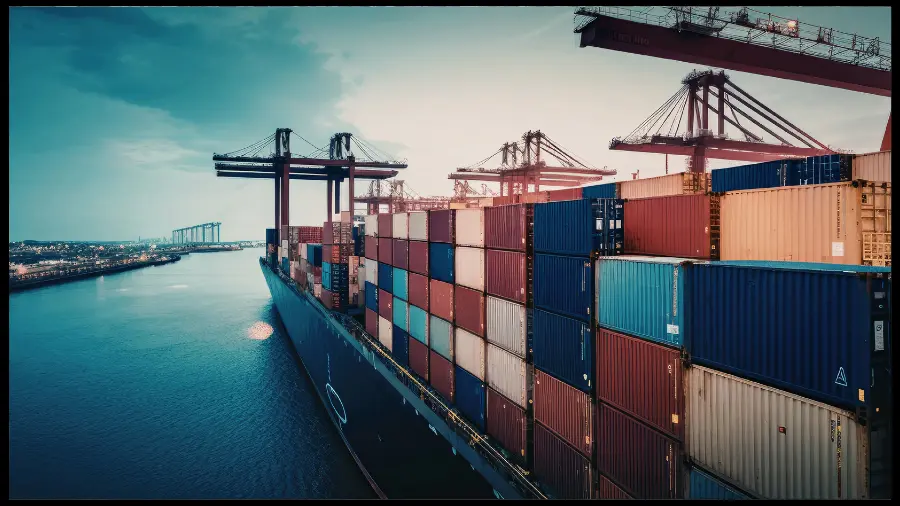
Galveston LNG Bunker Port (GLBP) and TOTE Services have signed a heads of agreement that maps out a Jones Act compliant LNG bunkering vessel program for the US Gulf Coast. The framework points to a first charter agreement targeted by mid-2026, while GLBP continues progressing the shore-side supply project through a 2026 final investment decision pathway after securing key permits in 2025.
Get the maritime stories operators are watching.
Stay ahead of vessel markets, port disruption, maritime technology, and more.
Click here for 30 second summary
Jones Act LNG bunkering move in one read
Galveston LNG Bunker Port and TOTE Services signed a heads of agreement covering development and operation of dedicated LNG bunkering vessels that meet Jones Act requirements for US Gulf Coast service. The parties described a target to execute a charter agreement for the first bunker vessel by mid-2026, tied to a developing Gulf supply hub intended to serve the Houston, Galveston, and Texas City call pattern through barge delivery.
-
Fleet signal
Dedicated Jones Act bunker vessels are being positioned as part of the supply buildout, not as a later add-on. -
Timing cues
Mid-2026 is described as the target for the first charter agreement, with project communications pointing to late-2028 operations timing for the facility.
A Jones Act compliant bunker-vessel plan paired with a defined facility schedule strengthens the case for LNG bunkering to function as a planned service lane in the US Gulf rather than an occasional capability.
| Quick takeaway | Fleet and capability signal | Milestones to watch | What must stay “clean” | Who feels it first |
|---|---|---|---|---|
| Jones Act bunker-vessel path is now explicit |
HOA sets a framework to develop and operate US-built, US-owned, US-crewed LNG bunker vessels for coastwise service tied to the GLBP supply project.
The fleet angle is embedded, not bolted-on later.
|
First charter agreement targeted by mid-2026.
This is the earliest “real” gating item for tonnage commitment.
|
Jones Act compliance chain and operating approvals.
Build, ownership, crewing and documentation discipline all matter.
|
Operators needing consistent LNG bunkering windows in the Houston and Galveston call pattern. |
| TOTE is positioned as operator and builder-adjacent |
TOTE role includes vessel development support, construction oversight, and long-term operation for the bunker-vessel program.
A single partner can reduce handoffs across build and ops.
|
Vessel design and shipyard pathway will become visible as charter details firm.
Expect more clarity once the first charter is executed.
|
Build specification scope and operational readiness documentation.
Safety management and vetting readiness will get attention early.
|
LNG-capable fleets and charterers that require a repeatable, low-variance bunker execution plan. |
| Supply hub credibility increases when fleet and terminal align |
GLBP is advancing a dedicated small-scale bunkering facility on the US Gulf Coast intended to serve the Houston-Galveston complex.
The vessel plan pairs with a defined shore-side buildout.
|
GLBP targets a 2026 final investment decision.
Permits and EPC awards have been described as already in place.
|
Permitting status, EPC execution, and offtake alignment.
Terminal schedule credibility is the backbone for vessel deployment timing.
|
Port-call planners and bunker buyers looking for a contractable Gulf option with predictable availability. |
| Capacity is sized for repeatable, not occasional, bunkering |
Phase 1 production is described around 360,000 gallons per day with a pathway to 720,000 gallons per day at full buildout.
Two-phase concept supports scaling as demand firms.
|
Operations have been described as commencing in the late-2028 to 2029 window, depending on phase and delivery commitments.
Watch for updated start-date statements as FID approaches.
|
Storage, boil-off handling, transfer procedures, and berth interface protocols.
Execution details will drive real-world bunker slot reliability.
|
Frequent-call segments that benefit from planned LNG bunkering: container, car carrier, cruise, and offshore support. |
| Future fuel claims will need documentation muscle |
The framework is described as allowing future integration of bio-LNG and e-LNG options alongside conventional LNG.
Optionality is being messaged early for buyer confidence.
|
Expect this to appear first as contract language and chain-of-custody detail.
Fuel attribute documentation becomes a selling point over time.
|
Mass-balance, certificates, emissions attribute documentation and auditability.
Claims quality matters as customers face tighter reporting regimes.
|
Charterers and cargo owners tracking emissions accounting and fuel attribute credibility. |
A heads of agreement positions TOTE to support the development and long-term operation of dedicated Jones Act LNG bunker vessels serving a planned US Gulf LNG bunkering facility.
The parties describe a target to execute a charter agreement for the first LNG bunker vessel by mid-2026. Project statements also describe a phased facility plan and an operations start window in the late-2027 to 2028 period depending on build and commissioning.
For coastwise LNG movements, the compliance chain becomes part of the service reliability story. A dedicated Jones Act fleet path reduces uncertainty versus relying on occasional availability.
The facility is framed around supplying LNG by barge to vessels calling at the greater Houston and Galveston port complex, where LNG-fueled tonnage is expected to grow.
| Gate | Evidence that it is locked in | Common snag | Next public visibility | Why it matters |
|---|---|---|---|---|
| Charter signed | Named charter counterparty, term, delivery timing, and service area defined for the first bunker vessel. | Charter terms drift while vessel spec and facility schedule are still moving. | Charter execution announcement and first-vessel outline. | Turns intent into a contractable service lane. |
| Vessel build path | Shipyard selection and build slot confirmed, with a clear ownership and operating structure consistent with Jones Act requirements. | Build-slot timing and pricing volatility for specialized LNG bunkering tonnage. | Yard award, build contract, or classed design milestone. | Locks schedule credibility for first service entry. |
| Facility FID | Final investment decision announced with an updated commissioning plan and construction timeline. | Late-stage scope changes can shift the start date even after procurement begins. | FID statement and construction progress reporting cadence. | Facility readiness sets the floor for delivery timing. |
| Operating playbook | Published transfer procedures, berth interfaces, and barge logistics plan that covers the targeted Gulf call pattern. | Interface complexity across terminals, pilots, and berth windows. | Operating manuals, port coordination, or service window guidance. | Execution consistency is what makes bunkering repeatable. |
| Demand anchored | Offtake commitments and a customer roster that supports steady utilization through the ramp. | Utilization gaps can turn a planned service lane into a sporadic service. | Additional offtake announcements and contracted capacity updates. | Utilization drives reliability, pricing confidence, and growth timing. |
We welcome your feedback, suggestions, corrections, and ideas for enhancements. Please click here to get in touch.