Ghost Ships and Jet Fuel Into Myanmar
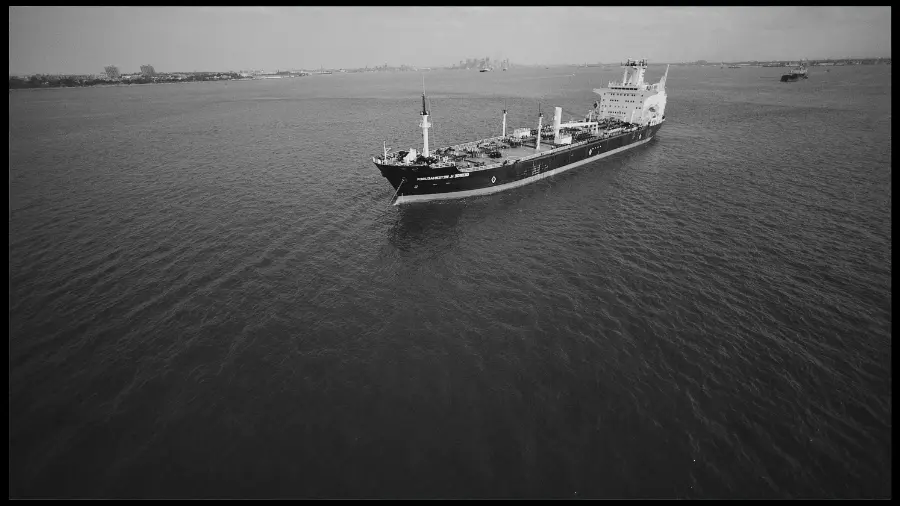
Reuters reports a sanctions-evasion supply chain is moving jet fuel into Myanmar using tactics associated with “ghost ships” and shadow-fleet behavior, as Myanmar’s military relies on aviation fuel for air operations. Amnesty International separately describes a 2025 surge in aviation-fuel imports into Myanmar, and says multiple shipments involved vessels that went “dark” or broadcast false positions, changed identities, and used open-water ship-to-ship transfers.
Click here for 30 second summary
Ghost-ship jet-fuel flows into Myanmar in one read
Reuters reports aviation fuel is reaching Myanmar through concealment tactics linked to sanctions-evasion tradecraft. Investigations describe a “ghost ship” pattern that includes AIS going dark or broadcasting false positions, rapid changes in vessel identity attributes, and ship-to-ship transfers used to interrupt a clear custody trail.
-
Volume signal
Aviation-fuel imports into Myanmar in 2025 were reported at 109,000 tonnes and described as 69% higher than the prior year. -
Tactics described
The reported indicators include AIS disruption, identity churn, and STS layering that can obscure origin and chain of custody for refined products. -
Where friction shows up first
Screening steps become heavier when multiple indicators appear together, because counterparties request stronger evidence of voyage history and custody continuity.
If the reported playbook continues, tanker and trader-facing operations can see higher approval friction and longer clearance cycles when AIS integrity breaks, identities change rapidly, and STS transfers are used to blur fuel lineage.
| Pattern | What it looks like in shipping data | Compliance exposure | Screening focus for ops teams |
|---|---|---|---|
| AIS goes dark or broadcasts false positions | Gaps in AIS history during key legs, or apparent position jumps that do not match sailing time. | Reduces traceability of origin, STS points, and destination behavior, increasing false-negative risk in voyage screening. | Require full AIS track extracts, note “dark” windows, and reconcile with port calls, drafts, and satellite cues when available. |
| Identity churn | Frequent changes in vessel name, flag, ownership, or management with short intervals between updates. | Masks counterparty continuity and complicates beneficial ownership checks, especially when paired with opaque managers. | Lock screening to IMO number, compare historical identities, and re-run sanctions plus adverse media on prior names and managers. |
| Open-water ship-to-ship transfers | Midstream transfer behavior outside ports and terminals, sometimes repeated across multiple legs. | Raises origin obfuscation risk for refined products, including aviation fuel, and creates documentation inconsistencies. | Demand STS declarations, confirm counterpart vessel IDs, capture dates/coordinates, and match paperwork against track history. |
| Route logic that avoids standard terminals | Load patterns that lean on storage units, transshipment points, or indirect routing before final delivery. | Creates extra “wash steps” in the trade chain that can blur product lineage and commercial responsibility. | Map the full chain of custody: seller, trader, charterer, receiver, storage locations, and any intermediary bills of lading. |
| Counterparty ambiguity around aviation-fuel end use | Cargo described broadly (distillate, refined products) with weak end-user detail, or sudden shifts in consignee patterns. | Aviation fuel is a known focus area in Myanmar-related sanctions discussions, raising end-use sensitivity. | Escalate due diligence when product and end-use documentation is thin, and apply a higher threshold for KYC completeness. |
Aviation fuel imported into Myanmar in 2025, per Amnesty reporting
Increase vs the prior year, per Amnesty reporting
At least nine aviation-fuel shipments confirmed mid-2024 through end-2025, per Amnesty reporting
Four vessels linked to those confirmed shipments, per Amnesty reporting
The reported mechanism is not a single voyage. It is a repeatable shipment pattern designed to reduce traceability of origin, custody steps, and delivery, while still keeping aviation fuel moving into Myanmar.
When AIS records and identity attributes are unstable, counterparties often require stronger evidence of vessel history and cargo lineage. That shows up as slower approvals and larger document packs for fixtures, payments, and insurance steps.
The described indicators include AIS gaps and spoofing, repeated changes in vessel identity, and STS transfers that can sever the straightforward link between a load port and final discharge.
Aviation fuel has been specifically highlighted in Myanmar-related sanctions discussions because it can support air operations. That increases end-use scrutiny for traders, charterers, and service providers touching the chain.
| Signal in the record | What it looks like | Why it slows clearance | Typical friction point |
|---|---|---|---|
| AIS integrity breaks | Extended AIS gaps, sudden position jumps, or tracks that do not match time and distance. | Weakens confidence in origin, STS points, and destination behavior, so standard screening becomes less reliable. | Delays while voyage history is rebuilt. |
| Identity churn | Frequent changes in name, flag, ownership, management, or call sign across short intervals. | Breaks continuity in counterparty history and pushes extra checks on beneficial ownership and prior activity. | Re-screening across prior identities. |
| STS layering | Open-water transfers that replace a clear load port with multiple custody steps. | Raises chain-of-custody uncertainty for refined products, including aviation fuel. | Extra documentary requests and cross checks. |
| Commodity ambiguity | Product labels that do not clearly distinguish aviation fuel from related distillates. | End-use sensitivity increases when cargo could be aviation fuel or close substitutes. | Classification and end-use clarification loops. |
| Counterparty opacity | Layered intermediaries, unusual payment routing, or sudden consignee pattern shifts. | Makes it harder to close who controls the transaction and who benefits from the cargo. | KYC completion and contract review. |
We welcome your feedback, suggestions, corrections, and ideas for enhancements. Please click here to get in touch.