Devon Bay Sinking Puts Nickel Ore Liquefaction Back on High Alert
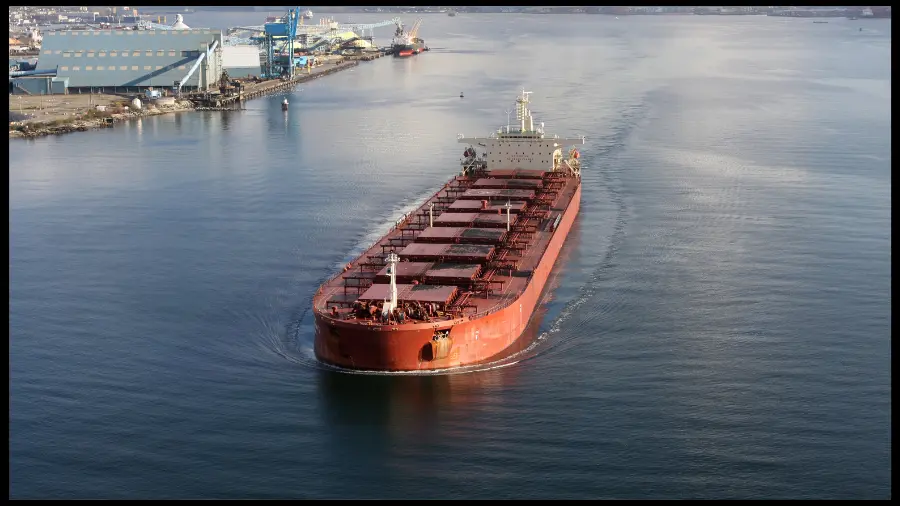
Devon Bay’s capsize in late January has put nickel ore liquefaction back at the center of dry bulk safety discussion. The Singapore-flagged vessel issued a distress alert late Jan 22 while sailing from the Philippines toward China and later sank around Jan 23. Reporting indicates 21 Filipino crew were onboard, 17 were rescued, two later died, and four were reported missing as search efforts continued. Cargo has been confirmed as nickel ore, with liquefaction among the suspected causal factors under investigation.
Click here for 30 second summary
Devon Bay nickel ore risk in one read
The Singapore-flagged bulker Devon Bay capsized and sank near Scarborough Shoal during a Philippines-to-China voyage. Reporting identifies nickel ore as the cargo, and liquefaction is being treated as a suspected factor while investigations continue. Early search and rescue updates cited 21 crew onboard with 17 rescued, two deaths reported, and four missing.
- Casualty
Capsize and sinking reported in the Scarborough Shoal area with active investigation follow-through. - Cargo
Nickel ore confirmed in multiple reports after early mixed descriptions in broader coverage. - Immediate behavior shift
Sampling, certificate timing, and loading-condition scrutiny typically tightens right away on this lane.
| Flashpoint | What’s reported | Immediate friction | Commercial read-through |
|---|---|---|---|
| Casualty snapshot | A Singapore-flagged bulker on a Philippines-to-China voyage capsized and sank after a distress alert, with rescues completed and missing crew still being searched for in subsequent reporting. | Safety investigations, evidence collection, and crew statements drive a faster-than-normal information cycle for the trade lane. | Expect heightened counterparty attention on cargo declarations, sampling, and the chain of custody behind certificates. |
| Cargo confirmed as nickel ore | Nickel ore was confirmed as the cargo after initial public information mixed cargo descriptions. | Fixture and loading teams face immediate questions on cargo identification, stockpile exposure, and moisture management. | Nickel ore tends to trigger stricter contractual clauses and a narrower risk tolerance among owners and clubs. |
| Liquefaction suspected | Liquefaction is being treated as a plausible factor, consistent with “rapid list and capsize” casualty patterns described in past Group A cargo incidents. | Higher likelihood of pre-loading re-checks, cargo surface condition scrutiny, and rejection decisions if conditions look inconsistent. | Short-term tightening often shows up as fewer willing ships, higher premiums, and longer pre-fixture diligence windows. |
| IMSBC Group A framework back in focus | Nickel ore is treated under the IMSBC Code’s liquefaction-risk regime, where acceptance hinges on moisture content relative to a declared Transportable Moisture Limit. | Masters and operators lean more heavily on loading stoppage rights when paperwork, timing, or sampling quality is unclear. | Charterers may see more “conditions precedent” language and more conservative laycan planning around wet-season realities. |
| Testing and document pressure | Industry discussion around this trade lane often centers on whether moisture and TML documentation reflects current stockpile conditions at time of loading. | More demand for independent sampling, tighter certificate dating, and stronger audit trails from mine to ship. | Execution risk shifts from sailing risk to “loadability” risk: delays, re-sampling, and potential cargo substitution. |
| Port and weather sensitivity | Nickel ore shipments can be exposed to rain and saturation risk if stockpiles and handling are not tightly controlled. | Operators increase caution around rainfall windows, stockpile covers, drainage, and the timing gap between sampling and loading. | Wet-season conditions can widen the rate spread between ships that will accept and ships that will not. |
| P&I and compliance posture | Liquefaction-linked casualties have repeatedly driven warnings from owner and insurance communities over the past decade. | More club and underwriter questions around procedures, due diligence steps taken, and any decision points at the loadport. | Expect tighter screening of shippers and surveyors and more aggressive allocation of responsibility in charter terms. |
| Near-term watch list | Investigation findings, any flag-state or authority statements, and whether the lane sees immediate tightening in acceptance practice for nickel ore cargoes. | Short-term swings often show up in slowed loadport turnaround and higher frequency of sampling and documentation disputes. | If tightening persists, it can alter fixture behavior for nickel ore runs and influence seasonal freight negotiations. |
Devon Bay casualty refocuses attention on nickel ore liquefaction controls
Reporting on the Devon Bay loss points to nickel ore as the cargo and treats liquefaction as a suspected factor while investigations continue. The incident has already prompted renewed attention on cargo declarations, moisture controls, and documentation timing for nickel ore movements.
Confirmed focus
Nickel ore is now central to the casualty discussion after early mixed cargo descriptions in general reporting.
Investigation angle
Liquefaction is being discussed as a plausible causal pathway, pending formal findings.
Immediate relevance
Near-term impact is procedural: scrutiny of sampling, certificates, and loading conditions tightens quickly after events like this.
Liquefaction basics that drive shipboard risk
Nickel ore is treated in the liquefaction-risk framework for solid bulk cargoes, where moisture and handling matter as much as nominal cargo type.
- Liquefaction is associated with cargo behavior that can shift rapidly under vibration and cyclic loading at sea.
- Industry guidance ties acceptance to moisture controls and the Transportable Moisture Limit concept used for Group A cargoes under the IMSBC framework.
- Risk is often discussed in terms of stockpile exposure to rain, drainage, sampling method, and the time gap between testing and loading.
“Friction gauge” for what typically tightens immediately after a high-profile event.
A casualty with nickel ore and suspected liquefaction in the narrative usually triggers tighter cargo acceptance behavior and higher documentation and sampling friction for the next fixtures on the same trade lane.
Interactive document timing helper
This tool does not validate cargo safety. It simply calculates the time gap between certificate issue and loading date and estimates a “wet season sensitivity” window for your own internal review workflow.
Certificate and Loading Gap Calculator
Directional planning aidDays between certificate and loading
-
Rain exposure window entered
-
Simple review cue
-
We welcome your feedback, suggestions, corrections, and ideas for enhancements. Please click here to get in touch.