EU ETS Ferry Step Up Faces Growing Resistance
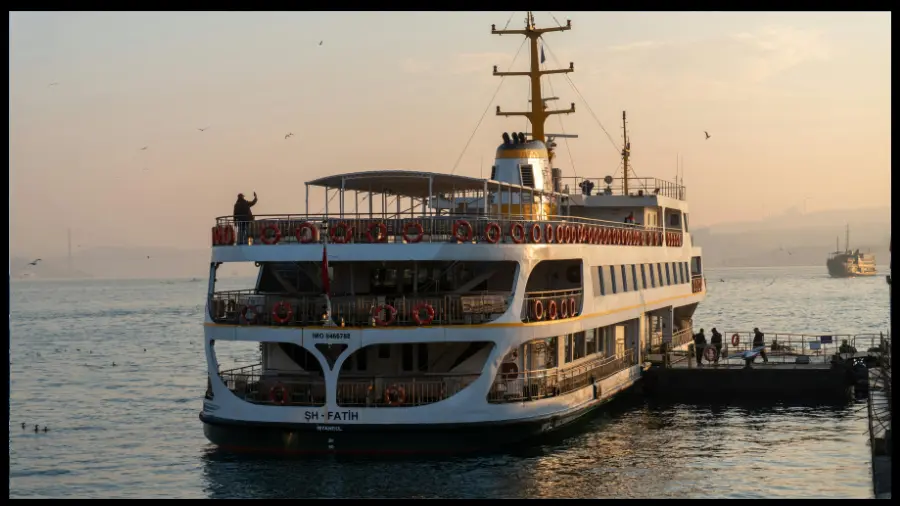
Ferry operators are pushing back harder on EU ETS cost exposure right as the system is scheduled to move from 70% coverage to full coverage. Interferry is calling for the ferry sector’s surrender obligation to be frozen at the 2025 level (70%) and for the planned step-up to 100% in 2026 to be paused, arguing the current setup creates competitive imbalance and leaves too much uncertainty around how ETS revenues will be used.
Click here for 30 second summary
EU ETS ferry pushback in one read
Interferry is calling for an immediate pause in further EU ETS implementation for the ferry sector, asking to keep surrender obligations at the 70% level instead of stepping up. The group argues the current setup creates competitive imbalance and uncertainty, especially around how ETS revenues will be used. The timing is sensitive because EU ETS exposure depends on voyage type (100% intra-EU, 50% extra-EU), and 2026 also brings added scope complexity for covered ship types.
-
The ask
Freeze the ferry sector surrendering obligation at 70% and pause the move to full coverage. -
Why the debate is sharper now
Operators are setting 2026 rate cards and contract terms while managing higher policy uncertainty around pass-through and fund recycling. -
Cost mechanics that matter to buyers
Intra-EU exposure is higher than EU to non-EU (which is partially covered), so lane mix becomes a commercial variable.
If a 70% freeze gains political traction, it reduces near-term cost shock and could moderate freight and fare pass-through for ferry lanes. If it does not, expect wider contract re-opener language, more explicit ETS line items, and stronger lane-by-lane pressure where buyers can switch to road alternatives.
| Development | Update | Operational friction | Commercial read-through |
|---|---|---|---|
| Call to freeze ETS coverage at 70% | Interferry is urging the EU to halt further phasing-in for the ferry sector by keeping the surrender obligation at the 70% level (the scheduled 2025 coverage) and pausing the move to 100% in 2026. | Short-notice compliance planning becomes harder because the step-up changes allowance volumes, hedging needs, and customer pricing decisions tied to 2026 sailings. | If policymakers signal openness to a freeze, it reduces near-term cost shock and moderates the urgency of passing through ETS costs in fares and freight rates. |
| Phase-in math becomes the headline | EU ETS maritime uses a phased surrender approach: 40% (2024), 70% (2025), and 100% (2026). The ferry sector pushback is focused on stopping that last step-up. | Finance and ops teams need clearer guidance on whether they should contract and budget for full coverage, or plan around a cap that may or may not happen. | Policy uncertainty itself becomes a cost, because it widens bid-ask behavior on ETS pass-through clauses and complicates longer-term customer contracts. |
| Competitive balance argument (sea vs road) | The pushback is framed around competitive imbalance, with Interferry pointing to road transport treatment and arguing ferries should not be uniquely exposed while alternatives are treated differently. | Operators face a tougher sell when traffic can switch to road routes: higher carbon cost on ferries can translate into pressure on load factors and sailing frequencies. | Freight can drift toward road if the all-in ferry price rises faster than trucking alternatives, undermining shortsea decarbonisation goals in practice. |
| Revenue use and recycling uncertainty | Interferry highlights a lack of clear rules on how maritime ETS revenues will be distributed and used, which weakens operator confidence that payments will return as sector support. | Less certainty around reinvestment increases resistance to near-term cash outflows and makes planning capex (fuel upgrades, shore power readiness) more politically sensitive. | When operators do not see a credible “pay in, get decarb support back” pathway, ETS starts to feel like a pure cost item rather than a transition accelerator. |
| Greenhouse gas scope widens in 2026 | Maritime ETS initially accounts for CO2, with methane and nitrous oxide entering scope starting 2026 for covered ship types, raising the perceived impact of the 2026 step-up year. | More variables hit the compliance workflow at once (additional gases and full phase-in), increasing reporting, verification, and allowance strategy complexity. | Even if fuel efficiency improves, added scope can keep compliance costs material, strengthening the case for explicit customer pass-through mechanisms. |
| Contracting and pricing tension for 2026 schedules | As 2026 approaches, ferry operators are deciding whether to embed full ETS assumptions into rate cards and long-term contracts or keep structures flexible until policy clarity improves. | More renegotiations, more “re-opener” clauses, and higher admin time per contract when counterparties demand transparency on ETS pricing and evidence of emissions accounting. | Expect more explicit ETS line items in freight contracts, and more customer scrutiny of how the ETS component is calculated and updated over time. |
| Next markers that determine direction | Watch for EU-level political signaling or guidance around maritime ETS revenue use, any ferry-specific relief proposals, and whether the 2026 phase-in schedule is treated as fixed or revisitable. | Approval and guidance updates can shift behavior quickly: once a “likely path” is visible, counterparties stop waiting and start baking it into bids and pricing. | The biggest market impact is not the debate itself, but the moment a credible pathway emerges: either full step-up hardens, or a freeze becomes plausible and reprices expectations. |
- Contracting friction shows up before politics resolves
Shippers want transparent ETS line items and update logic. Operators want clauses that stay workable if policy shifts again. - Competitive balance becomes a routing story
If ferry ETS costs rise faster than alternatives, freight can drift to road routes, which changes load factors and sailing frequency economics. - The “funds use” question drives willingness to pay
The more unclear the recycling of ETS revenues into maritime decarbonisation support, the more ETS feels like a pure cost line rather than transition funding.
Watch how quickly ETS gets pulled out into a standalone line item in freight and passenger pricing. That is where the policy debate converts into commercial reality.
- 100% exposure for emissions between two EU ports and while in EU ports
- 50% exposure for voyages starting or ending outside the EU
Even without a policy change, operators are juggling (1) higher surrender exposure and (2) broader emissions accounting, at the same time customers are negotiating pass-through language.
Quick estimator: EU ETS cost per sailing (planning aid)
Enter a voyage emissions estimate and EUA price. This calculates a rough ETS cost using the voyage exposure split (100% intra-EU, 50% extra-EU) and a selectable surrender coverage assumption (70% vs 100%).
We welcome your feedback, suggestions, corrections, and ideas for enhancements. Please click here to get in touch.