Russia Strikes Ukraine’s Black Sea Gateways with Reports of Hitting Wheat Ships as They Enter Port
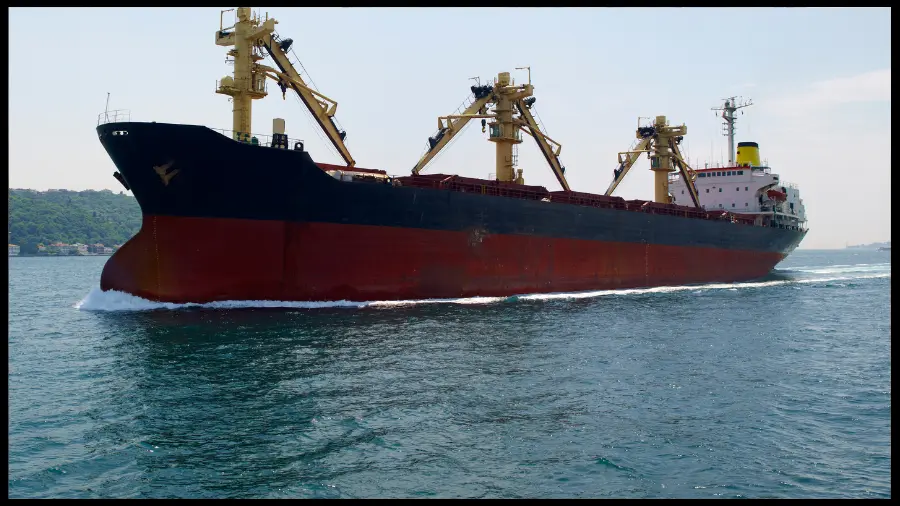
Russia launched waves of drones against Ukraine’s Odesa-region port infrastructure, with officials saying the Black Sea ports of Pivdennyi and Chornomorsk were hit and two Panama-flagged civilian vessels were struck as they approached to load wheat. Ukrainian officials said oil storage facilities were also damaged and there were civilian injuries, while noting the ports continued operating despite the attack.
Subscribe to the Ship Universe Weekly Newsletter
Click here for 30 second summary
Black Sea grain loading faces renewed port-approach risk
Ukrainian officials said Russian drones struck port infrastructure in the Odesa region, naming Pivdennyi and Chornomorsk, and that two Panama-flagged civilian ships, Emmakris III and Captain Karam, were hit as they entered to load wheat. Officials said port operations continued, but the incident refocuses attention on the arrival window and time alongside in a war-zone export system.
-
Incident footprint
Reported impacts included port facilities and oil storage tanks, alongside damage and injuries linked to the two inbound civilian vessels. -
Operational knock-on
Even when terminals keep working, inspections, safety checks, and berth sequencing tend to become more variable after strikes, which can stretch port stays and complicate turn times. -
Commercial ripple
When ships are hit near the load window, pricing pressure often concentrates on port call exposure and schedule uncertainty, rather than only the sea passage.
A functioning export corridor can still deliver cargo, but each high-profile strike near port entry raises the friction cost of doing business, with delays and risk allocation moving quickly through fixtures, insurance, and voyage planning assumptions.
| Signal | Confirmed reporting | How it translates into operations | Bottom-line effect |
|---|---|---|---|
| Port-area strikes | Drone attacks were reported against port infrastructure in the Odesa region, with Pivdennyi and Chornomorsk named among affected ports. | Even when a port remains open, entry procedures, anchorage behavior, and berth sequencing can shift quickly due to inspections and safety checks. | Schedule reliability deteriorates first. That widens the gap between planned and actual port time and raises the cost of buffers and delay handling. |
| Civilian ships struck on approach | Two Panama-flagged civilian vessels, Emmakris III and Captain Karam, were cited as struck as they entered to load wheat, with civilian injuries reported. | A strike near arrival triggers inspection and damage assessment, crew welfare actions, and potential queue disruption for vessels behind them. | Risk pricing shifts toward the approach window and berth environment, not only open-water transit, affecting call acceptance and contract terms. |
| Storage and terminal systems | Oil storage facilities were cited as hit alongside port infrastructure. | Throughput can be constrained by storage availability, power reliability, and transfer system readiness even if the berth itself is intact. | Loading cadence becomes less predictable. That raises exposure to demurrage and missed laycan planning on time-sensitive grain programs. |
| Ports still operating | Officials said ports continued operating despite damage. | Continuity often comes with variability: temporary restrictions, periodic pauses for checks, and shifting daylight or security procedures. | The market impact often shows up as wider spreads between fixtures depending on timing, vessel profile, and counterparty tolerance for variability. |
Port activity in Ukraine’s Odesa region continued after officials reported drone strikes that damaged port infrastructure and hit two Panama-flagged vessels approaching to load wheat, but the episode underlined how quickly the risk profile can shift around the berth window even when terminals remain open and cargo programs keep moving.
We welcome your feedback, suggestions, corrections, and ideas for enhancements. Please click here to get in touch.