Reported Drone Attack on Venezuelan Port Puts Spotlight on Coastal Security
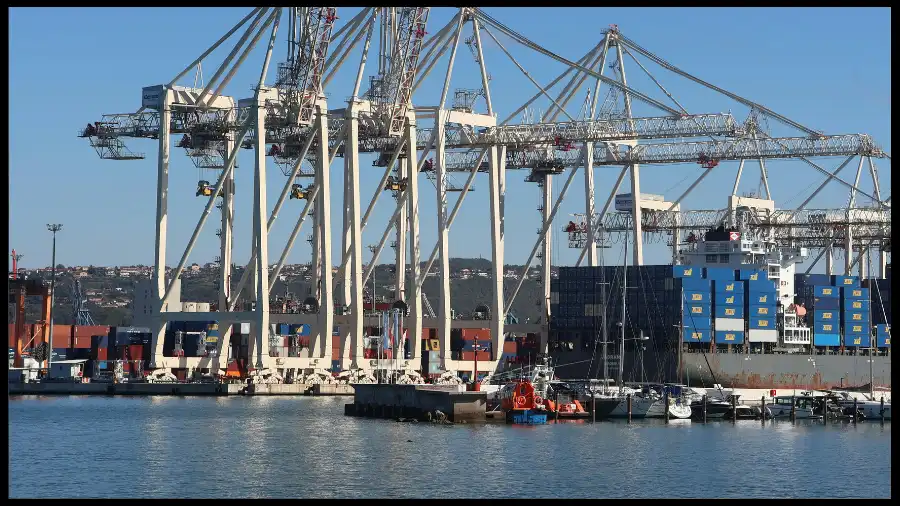
A reported CIA drone strike on a small port facility on Venezuela’s coast - allegedly used by the Tren de Aragua gang to load drug boats - adds a new, uncomfortable data point to the risk map for Caribbean and Latin American waters. The site was reportedly hit at night with no casualties, but the signal is clear: coastal infrastructure linked to illicit trades is now a potential target in its own right, not just the boats using it.
Subscribe to the Ship Universe Weekly Newsletter
Click for 30 second Venezuela coastal risk summary
Covert strike, coastal Venezuela and what it signals for shipping
Reports of a covert drone strike against a small port facility on the Venezuelan coast add another layer to an already complex sanctions and security picture in the southern Caribbean. The incident appears to be tightly focused on a criminal or politically sensitive dock rather than mainstream oil and container terminals, but it highlights that coastal infrastructure in the region is now treated as a potential target in grey zone campaigns.
- Scope of the incident The reported strike hit a minor shore facility rather than core export hubs, so immediate disruption to large scale crude and products flows looks limited, although local coastal trades and small craft may face more checks and constraints.
- Risk and cost signal Any kinetic action near shipping lanes tends to push security teams, insurers and P and I clubs to revisit routing, watchkeeping and premium assumptions for calls close to the Venezuelan shoreline.
- Medium term implications If similar operations continue or move closer to major ports, owners and charterers with exposure in the wider Caribbean may build in more distance from shore, additional fuel and time buffers, and closer scrutiny of counterparties and cargoes.
- Localised exclusion zones or informal stand off areas can stretch approach legs for coastal traffic and small bunkering calls.
- Any follow up strikes on infrastructure closer to commercial ports would move this from a niche security event to a broader insurance question.
- Heightened tension between Washington and Caracas can lengthen the time it takes to resolve detentions, incidents and pollution disputes involving foreign flags.
- Main crude and product export terminals are reported to be operating, and there is no sign of a general closure of sea lanes off Venezuela.
- Most liner and project trades in the wider Caribbean continue on published schedules, indicating that operators still see risk as manageable.
- Closer scrutiny on small criminal docks may over time reduce some smuggling routes that complicate coastal security for legitimate traffic.
| Slice | Readout |
|---|---|
| Coasters and service craft near affected coastline | Most exposed to short term route tweaks, security checks and local restrictions if operations intensify around the hit area. |
| Tankers and bulkers calling major Venezuelan terminals | Indirect exposure through regional political and sanctions friction, with risk that a wider campaign could bring more scrutiny or cost. |
| Regional liner and feeder networks | Limited immediate impact, however schedule buffers and fuel budgets may be adjusted if coastal security operations become more frequent. |
This remains a small, opaque incident on the edge of the commercial map, yet it highlights how quickly coastal security campaigns can touch the same waters used by mainstream shipping. For owners and charterers watching Latin American exposure, the focus now is on whether this stays a one off against a minor criminal dock or becomes the first visible sign of a longer campaign that edges closer to major ports and regular trade.
We welcome your feedback, suggestions, corrections, and ideas for enhancements. Please click here to get in touch.