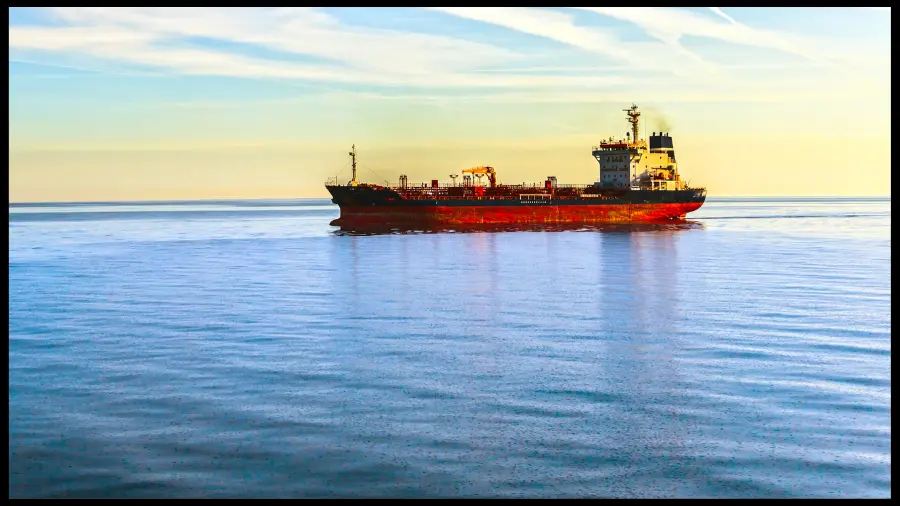
Venezuela’s state oil company has started using anchored tankers as floating storage, loading crude and fuel oil onto ships and keeping them in Venezuelan waters as export delays pile up and onshore tanks fill. The move is meant to keep production moving while fewer cargoes are able to clear the export chain, leaving more barrels waiting offshore for sailing instructions, buyers, or safer routing.
Click here for 30 second summary
PDVSA uses tankers as storage as the export pipeline slows
Venezuela’s state oil company started loading crude and fuel oil onto tankers and keeping them anchored in national waters as export liftings slowed and onshore tanks tightened.
Inventories were reported near 22 million barrels, the highest since August 2025, while multiple cargoes waited offshore for clearer sailing conditions.
The jam
Elevated enforcement and voyage uncertainty made shipowners more cautious, leading to delays and more barrels sitting on water instead of clearing the terminals.
The workaround
Floating storage buys time and helps avoid an immediate production squeeze, but it ties up tonnage and increases demurrage, insurance, and operational exposure around anchorages.
The split market
Some authorized flows linked to Chevron continued to move, while other export channels faced heavier discount pressure and more contract friction.
Bottom line
This is a deliverability story. When exports cannot clear, tankers become temporary tanks, cash conversion slows, and the backlog shifts risk and cost onto ships, terminals, and buyers waiting for cargo release.
PDVSA turns to floating storage as exports clog and inventories rise
A shipping and cashflow readout when barrels cannot clear the “sail-out” step
Item
Summary
Business mechanics
Bottom-line effect
The operational pivot
PDVSA began filling tankers with crude and fuel oil and anchoring them in Venezuelan waters as onshore storage tightened and export liftings slowed.
Floating storage is a pressure-release valve. It buys time when exports are delayed, but it ties up ships and shifts congestion from shore tanks to the anchorage.
📉 Higher carrying costs, longer ship cycles, and greater demurrage exposure.
📈 Avoids immediate production cuts when tanks fill faster than cargoes sail.
Why exports jammed
Interdictions and tougher enforcement activity in and around Venezuelan waters increased voyage uncertainty, prompting delays and more cautious sailing decisions.
When the risk of detention, diversion, or contract fallout rises, the weakest link becomes “deliverability” rather than production. Traders and shipowners slow down until exposure is re-priced.
📉 Fewer prompt liftings and more barrels stuck on ships reduce near-term cash conversion and can widen discounts.
Where the bottleneck shows up
Onshore tanks filled quickly, with particular pressure at the Jose terminal that receives extra-heavy crude feed from the Orinoco Belt.
When a key hub like Jose approaches tank limits, PDVSA must either slow upstream receipts, slow blending, or move barrels out to ships to keep the chain flowing.
📉 Higher terminal congestion risk and a greater chance of scheduling knock-ons across multiple grades and programs.
Inventory level signal
Total inventories were described as near 22 million barrels, the highest level since August 2025.
Rising inventories are a clear “export speed” indicator. If barrels cannot exit on schedule, storage fills even when production is steady.
📉 Storage pressure strengthens buyer leverage and can force steeper pricing adjustments to keep cargoes moving.
Cargoes stranded offshore
More than a dozen cargoes were described as stranded offshore awaiting departure as shipowners reassessed risk.
Stranded cargoes turn into floating inventory. That can distort apparent supply, consume tanker availability, and slow the next loading wave.
📉 More idle tonnage and slower turnaround can tighten the tanker market locally while weakening export realization for the seller.
Discounts and contract friction
The disruption widened discount pressure and increased demands for contract changes, especially on China-bound flows of heavy crude.
When buyers price in detention risk, longer voyages, and insurance clauses, they seek compensation through lower netbacks or revised delivery terms.
📉 Wider discounts and renegotiation cycles reduce margins and delay receivables.
📈 If risk later eases, some discount compression can return value quickly.
Two-speed export channel
Authorized liftings linked to Chevron continued, while many other exports faced higher uncertainty.
A permitted channel can keep a baseline of export activity going, but it also highlights how compliance posture determines which barrels clear the system.
📈 Supports continuity for some volumes and counterparties.
📉 Leaves non-authorized flows competing for a smaller pool of willing ships and buyers.
Production continuity stakes
With national output described around 1.1 million barrels per day, storage constraints become a direct risk to sustained production if the clog persists.
When storage saturates, producers have to slow receipts or shut in barrels. Floating storage delays that moment but cannot replace export capacity indefinitely.
📉 Prolonged clog raises the probability of forced output curbs and lost revenue days.
Shipping and HSE lens
Turning tankers into temporary storage increases time at anchorage and the number of ship-to-ship or staged operations needed to manage the system.
More time stationary means more exposure to weather events, congestion, and operational incidents, and more demand on marine services and oversight.
📉 More time and complexity can lift operational risk and insurance scrutiny.
📈 Higher demand for local marine support services where operations remain active.
Notes: Inventories rose toward 22 million barrels (highest since August 2025),
and export flows were disrupted by interdiction and sanctions-related shipping risk. Actual commercial impact depends on how quickly export departures normalize, how many cargoes remain stranded, and how pricing terms adjust for deliverability risk.
🛢️
Floating storage is the symptom of a traffic jam
When tank space tightens at the terminals and export sailings slow, the fastest pressure release is to move barrels onto ships and hold them offshore.
That keeps upstream receipts flowing for now, but it shifts the bottleneck onto the water.
🧯
Inventory pressure snapshot
Total inventories near 22 million barrels
The level was described as the highest since August 2025, with storage stress especially visible around the Jose terminal system.
Derived read22 million barrels at about 1.1 million barrels per day is roughly 20 days of production-equivalent volume.
Jose signalFigures cited in public reporting showed Jose stocks had fallen to roughly 9 to 11 million barrels since September from a prior peak near 14 million, then climbed again in December.
🧭
How barrels move from tanks to anchorage
1
Onshore tanks approach tighter working room
When export departures slow, tank farms fill faster and terminals lose flexibility to schedule the next liftings cleanly.
2
Inventory is drained to tankers
Crude and fuel oil are loaded onto ships and held in national waters to avoid an immediate production squeeze.
3
Cargoes wait for a clearer export path
With interdiction and compliance risk elevated, sailing decisions can slow and more than a dozen cargoes were described as stranded offshore.
4
Release valves are pricing and paperwork
Discounts and contract rewrites often become the practical tool to restore movement once counterparties re-price deliverability risk.
👀
Who feels the floating storage effect first
🚢
Tanker operators and managers
Longer anchorage time means slower turnaround and higher exposure to delays, service availability, and insurance scrutiny.
⛽
Terminal operations and marine services
The bottleneck shifts from tanks to berth planning and anchorage management, increasing scheduling friction across grades and programs.
📦
Buyers and traders
Deliverability risk becomes part of the price. Discounts and term changes tend to widen when cargoes sit and sailing windows remain uncertain.
🧾
Compliance and flag-state ecosystems
As scrutiny rises, AIS behavior, vessel identity controls, and documentation chain quality become more decisive in whether ships and cargoes move smoothly.
Policy backdrop: Venezuela’s National Assembly passed a law that includes prison terms of up to 20 years for people described as promoting or financing piracy, blockades, or similar acts tied to interference with navigation and trade.
The floating storage turn is a clear sign that Venezuela’s export system hit a throughput ceiling in late December: more barrels stayed inside the country’s coastal operating zone because the “sail-out” step became slower and harder to execute. As inventories climbed toward about 22 million barrels and cargoes waited offshore, the story shifted from production volume to deliverability and logistics, with pricing and paperwork doing much of the work to restart movement.