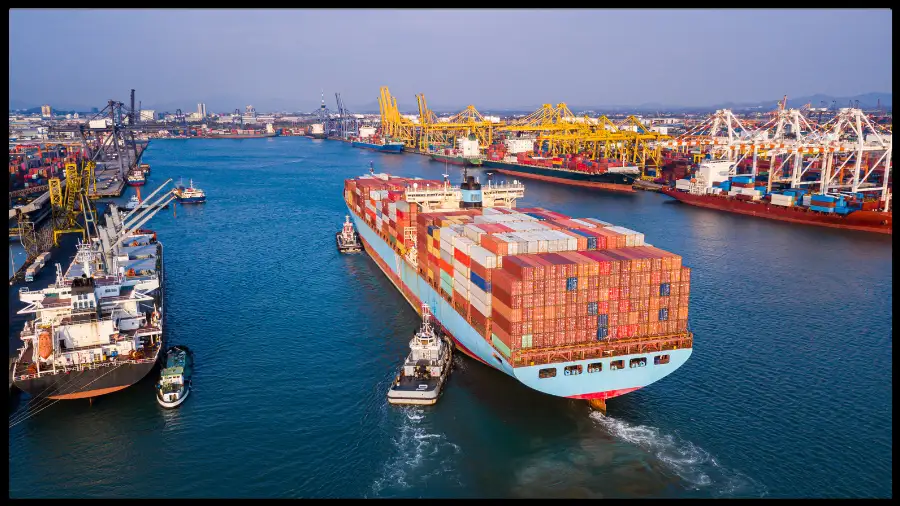
DHL Global Forwarding and CMA CGM have agreed to jointly use 8,990 metric tons of UCOME second-generation biofuel for container shipping, with the partners estimating about 25,000 metric tons of CO2e well-to-wake emissions reduction tied to ocean freight moved under DHL’s GoGreen Plus. CMA CGM will physically bunker the biofuel across its fleet, while DHL applies the reductions through a book-and-claim model so customers can claim verified benefits even when their specific container is not on the exact ship that burned the biofuel.
Click here for 30 second summary
CMA CGM and DHL scale biofuel based ocean freight claims
DHL Global Forwarding and CMA CGM agreed to use 8,990 metric tons of second generation UCOME marine biofuel, with the companies estimating around 25,000 metric tons of CO2e well to wake reductions tied to DHL ocean freight moved under GoGreen Plus. CMA CGM burns the fuel across its fleet, while DHL allocates the reduction to customers through a book and claim approach.
Key numbers
8,990 metric tons of UCOME biofuel; about 25,000 metric tons CO2e well to wake reduction (company estimate).
How the reduction is assigned
Fuel use happens somewhere in the carrier network, and the environmental benefit is credited to the customers who pay for it, even if their container is not on the exact ship that burned the fuel.
Commercial signal
Low carbon carriage becomes a purchasable service line, helping forwarders and carriers compete for tenders where emissions performance sits alongside price and reliability.
Bottom line
This is a practical step toward “verified lower emissions” container transport at scale, but the value depends on transparent accounting, consistent certification, and biofuel availability at prices customers will accept.
DHL Global Forwarding and CMA CGM agreed to jointly use second-generation marine biofuel to cut emissions associated with DHL customer ocean freight.
The initiative links DHL’s GoGreen Plus product with CMA CGM’s low-carbon offering, with emissions benefits allocated through a documented accounting model rather than tied to one specific voyage.
📌 Creates a clearer “paid low-carbon lane” for container shipping, supporting tender differentiation and contract discussions that include emissions metrics, not only rate and transit time.
Fuel type
The fuel is UCOME, a second-generation biofuel derived from used cooking oil (used cooking oil methyl ester).
Second-generation feedstocks are used to avoid direct competition with food crops, and are commonly used in marine “drop-in” blends within existing bunkering systems.
📈 Supports near-term emissions reductions without waiting for full fleet replacement. 📉 Availability and pricing can be volatile, which matters for scaling beyond pilot-sized volumes.
Volume committed
8,990 metric tons of second-generation biofuel (as stated by the parties).
A defined quantity matters because book-and-claim systems typically allocate benefits based on metered volumes and certificate issuance.
📌 A fixed tonnage gives stakeholders a tangible scale reference, which helps procurement teams compare “green add-on” options across carriers and forwarders.
Estimated emissions impact
The partners estimate about 25,000 metric tons of CO2e well-to-wake emissions reduction tied to DHL shipments moved under GoGreen Plus.
“Well-to-wake” counts fuel lifecycle emissions, not only what comes out of the funnel. The estimate depends on baseline assumptions and certification methodology.
📈 Enables shippers to report reductions for transport emissions more credibly than offsets alone. 📉 If methodologies or registries are questioned, perceived value can weaken.
How book-and-claim fits
CMA CGM burns the fuel in its network; DHL allocates the environmental benefit to paying customers through a book-and-claim approach.
Book-and-claim separates the fuel’s emissions attribute from the physical shipment, using certificates and a registry-style chain of custody so customers can claim the benefit without needing physical fuel matching.
📈 Makes low-carbon options scalable for forwarders and cargo owners with complex routing. 📉 Requires strong documentation discipline to avoid double counting concerns.
Where the fuel is bunkered
CMA CGM will physically bunker the biofuel across its fleet (as stated in the announcement).
Spreading bunkering across a fleet can reduce reliance on a single route or port, but it also requires coordinated fuel supply and consistent measurement for certificates.
📌 For bunker suppliers and ports, this supports repeatable demand signals. For carriers, it supports a service product that is not locked to one sailing.
Customer packaging
DHL uses GoGreen Plus; CMA CGM routes it through its ACT+ low-carbon solution set.
The products are designed to translate fuel usage into customer-facing emissions reductions, with options described as well-to-wake based and suitable for supply chain reporting.
📈 Supports higher-margin “green service” upsell where shippers pay for measurable reduction claims. 📉 Adds procurement complexity if customers must compare multiple standards and baselines.
Who gains, who pays
Shippers gain reportable emissions reductions; DHL and CMA CGM gain a repeatable decarbonization product that can scale with demand.
The mechanism resembles other certificate markets: customers pay for the environmental attribute, which funds more sustainable fuel uptake in the operator network.
📈 Can improve retention in shipper contracts that score carriers on ESG performance. 📉 Premium pricing can face resistance when freight markets soften.
Strategic signal
The partnership positions biofuel and verified claims as an “available now” pathway while alternative-fuel newbuild fleets scale through the late 2020s.
The most important operational change is commercial: emissions reduction becomes a line item that can be purchased and verified, not just a long-term aspiration.
📈 Supports a broader market shift toward emissions-linked contracting. 📉 Owners without credible low-carbon offerings may find it harder to win high-standard cargo.
Notes: Quantities and emissions reduction estimates are as stated by the companies in their Dec 2025 announcement. “Well-to-wake” results and certificate-based allocation depend on the methodology, verification approach, and baseline assumptions used in the underlying accounting model.
Deal unpacked
How this biofuel setup works in practice, and where the business impact shows up
Numbers that make the announcement concrete
Biofuel volume (stated)
8,990 metric tons
Second generation UCOME biofuel jointly used under the partnership.
Estimated reduction (stated)
~25,000 t CO2e
Estimated well to wake impact tied to DHL GoGreen Plus ocean freight.
Reduction potential (stated)
Up to 80% WtW
GoGreen Plus describes up to 80% GHG reduction versus conventional maritime fuel, depending on the option used.
Book and claim, explained like a voyage chain
The fuel is burned somewhere in the carrier network, and the emissions benefit is assigned to customers who pay for it. The physical ship for a given container does not have to be the ship that used the biofuel.
1
Fuel purchase is locked in
A defined biofuel quantity is bought for use in the ocean network.
2
Carrier burns the fuel
CMA CGM physically bunkers and uses the biofuel across its fleet.
3
Emissions attribute is recorded
The reduction is documented under the program rules, tied to the purchased volume and methodology.
4
Customers receive the benefit
DHL allocates the environmental benefit to paying customers for reporting and targets.
UCOME: used cooking oil methyl esterWell to wake: lifecycle viewBook and claim: benefit allocationScope 3: customer reporting focus
Where the commercial value can appear, and where friction can appear
Upside signals Contracting and brand math
Forwarders can bundle a measurable reduction into ocean freight procurement without forcing perfect physical matching on every lane.
Carriers with a repeatable low carbon product can score better in shipper tenders that include emissions criteria.
A known fuel volume and a stated WtW estimate give procurement teams something quantifiable to compare across options.
Watchpoints Price, proof, and consistency
Scaling depends on sustainable fuel availability and pricing, which can be more variable than conventional bunkers.
Book and claim only holds its value if documentation is tight and double counting concerns are actively managed.
Methodology and baseline choices influence perceived credibility in customer reporting and audits.
Strategic Positioning
The partnership frames biofuel as an available now lever while alternative fuel newbuild fleets scale through the second half of the decade. DHL positions the approach as true value chain decarbonization enabled by book and claim, and CMA CGM links the effort to its wider investment path and net zero targets.
Stated commitments in the announcement include net zero targets by 2050 for both groups, and CMA CGM also cited a 57% reduction in the carbon intensity of its shipping activities since 2008.
CMA CGM and DHL are using a defined block of second generation UCOME biofuel to turn low carbon ocean freight from a concept into a line item customers can buy and document. The structure matters as much as the fuel: CMA CGM burns the biofuel across its fleet, while DHL allocates the benefit to GoGreen Plus shipments through book and claim, allowing shippers to report well to wake reductions without requiring physical fuel matching on every move. The near term shipping impact is commercial, with more tenders and contracts treating emissions reduction as part of the freight decision alongside rate, reliability, and capacity.