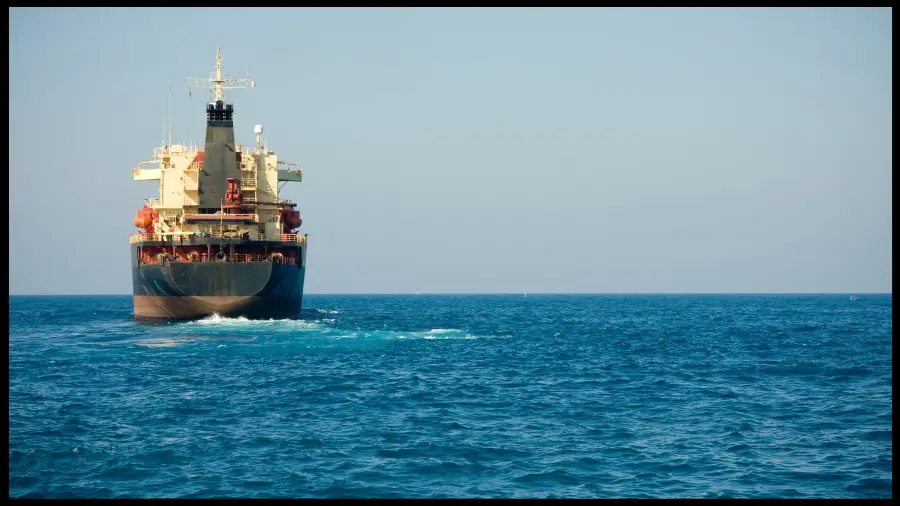
Oil cargo flow out of Venezuela slowed in late December 2025 after a new round of U.S. Coast Guard interdiction activity raised the risk of taking tankers from Venezuelan waters into international routes. Tracking and port activity described a clear pattern: fewer export sailings, more ships holding position or turning back, and more barrels sitting on tankers while counterparties renegotiated the economics of “high-risk” voyages.
|
Oil loading in Venezuela slows after new U.S. interceptions
|
| Item |
Summary |
Business mechanics |
Bottom-line effect |
| Loading slows at the terminals |
On December 22, tanker loading activity dwindled and many movements were described as domestic shuttles rather than export departures.
|
When interdiction risk rises, owners and charterers often pause export sailings while they confirm legal exposure, insurance treatment, and end-buyer willingness to receive cargo.
|
📉 Slower export cadence can back up terminal schedules and increase demurrage and congestion risk.
|
| Interdictions raise “sail-out” uncertainty |
U.S. forces seized one sanctioned supertanker carrying Venezuelan oil earlier in December and then moved to stop two additional Venezuela-related ships over the weekend.
|
Even if a ship is not ultimately boarded, close interception activity changes the decision tree for voyage execution, route choice, and timing once a ship leaves coastal waters.
|
📉 More holds and re-routing increase transaction friction for exporters, traders, and shipowners and can tie up tonnage.
|
| The two ships that triggered the latest pause |
One targeted ship was described as empty and under sanctions. The other was described as unsanctioned, fully loaded, and China-bound.
|
A fully loaded export ship facing interdiction becomes a high-stakes counterpart risk issue. Cargo owners, banks, and insurers may demand quick contract changes and stronger assurances.
|
📉 Wider discounts and slower discharge decisions can reduce cash conversion speed across the chain.
|
| Panama flag compliance angle |
Panama said the intercepted supertanker Centuries did not follow maritime rules, including disconnecting its transponder while leaving Venezuelan waters and altering its name.
|
Flag and tracking issues can trigger registration risk, service denials, and tougher underwriting and port treatment.
|
📉 Compliance red flags often translate into higher costs, slower port services, and more counterpart rejections.
|
| Jose port scheduling signal |
A 1.9 million barrel heavy crude cargo was delivered to the Aruba-flagged sanctioned vessel Azure Voyager at Jose, and no other Asia-bound supertanker was listed to load soon in internal scheduling cited in public reporting.
|
When fewer deep-sea liftings proceed, more barrels remain on water or in the system, tightening berth availability and planning flexibility.
|
📉 Lower near-term throughput can pressure realized pricing via timing discounts and higher carrying costs.
|
| Barrels stuck onboard and discount pressure |
The number of loaded tankers that have not departed rose, leaving millions of barrels sitting on ships while customers pushed for deeper discounts and contract adjustments.
|
When buyers require a higher risk premium, sellers face a choice: accept a steeper discount or delay the voyage and tie up ships.
|
📉 More floating inventory increases working-capital load and can pull tonnage out of the spot market.
|
| Inbound diluent also disrupted |
Some vessels approaching to deliver imported naphtha, as well as some vessels approaching to load crude, turned around or paused until owner instructions were clarified.
|
Diluents like naphtha help move extra-heavy blends. If inbound flows slow, blending and export timing can tighten further.
|
📉 Diluent uncertainty can constrain exportable volumes and add scheduling friction at terminals.
|
| Cyber disruption adds operational drag |
A cyberattack disrupted centralized administrative systems, and recovery involved partial restoration plus manual record-keeping for deliveries.
|
Oil exports are documentation-heavy. When central systems are impaired, nominations, approvals, and sailing instructions can slow even if physical operations continue.
|
📉 Longer turnaround times increase demurrage exposure and raise the chance of missed loading windows.
|
| Two-speed export reality |
Authorized exports tied to Chevron continued, including one 500,000 barrel cargo bound for the U.S. Gulf Coast and several other December liftings reported in the 300,000 to 500,000 barrel range.
|
A permitted channel can keep some barrels moving while the broader network slows, highlighting how compliance posture directly affects trade continuity.
|
📈 Helps maintain partial flow for permitted buyers and refiners. 📉 Leaves non-permitted barrels facing deeper discounts and longer delays.
|
| Price response |
Crude benchmarks rose on the day as markets priced higher risk of supply disruption tied to the interdictions and delayed sailings.
|
When shipping availability and deliverability become uncertain, price moves can reflect logistical constraints, not just production.
|
📈 Short-term price support for some barrels. 📉 Higher volatility can widen spreads and hedging costs for refiners and traders.
|
|
Notes: Summary reflects public reporting and official statements from December 2025 on U.S. interdiction activity near Venezuela, Panama’s comments regarding the tanker Centuries, PDVSA’s cyber disruption and manual workarounds, continued authorized exports tied to Chevron, and observed increases in loaded tankers waiting to depart.
|
The late-December picture was a slower export rhythm driven by enforcement and compliance pressure, plus administrative disruption from a cyber incident. The most visible operational feature was caution at the “sail-out” stage: more ships holding position or reversing course, more barrels sitting on tankers, and more renegotiation around price and terms. At the same time, a permitted export channel continued to move, highlighting how strongly compliance posture influenced which cargoes kept flowing.