Tankers Reverse Course After U.S. Grabs Venezuelan Cargo
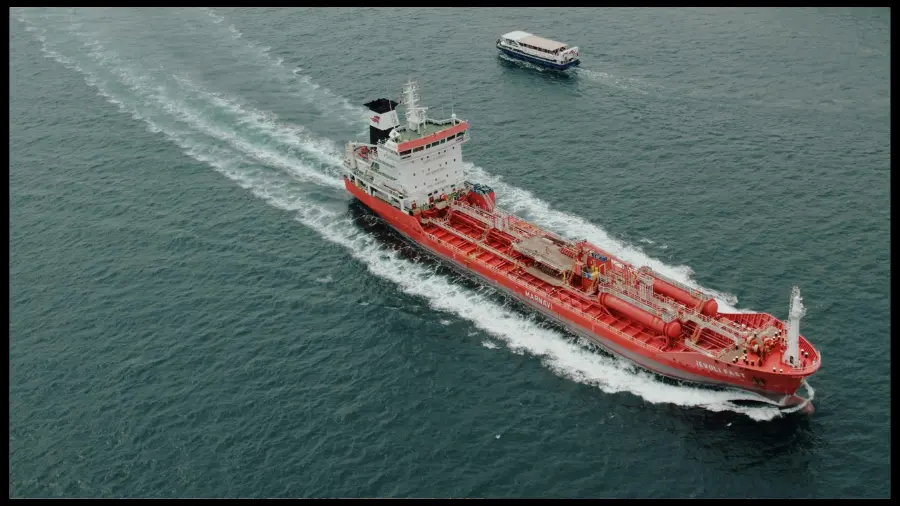
A U.S. seizure of a Venezuelan crude cargo has sent an immediate chill through trades linked to Caracas. One tanker carrying Russian naphtha for PDVSA and at least four supertankers that were heading to lift Venezuelan crude have reversed course or diverted, according to tracking data, underlining how fast enforcement moves can disrupt voyage plans, freight economics and risk appetite around sanctioned barrels.
Click for 30 second Venezuela tanker recap
What the Venezuelan tanker U-turns really signal
After the United States seized a Venezuelan oil cargo linked to sanctions breaches, several supertankers that were heading to load crude, and at least one ship carrying Russian naphtha for Venezuela, changed course or paused. The episode shows that shadowy trades around Venezuela are no longer just a paperwork risk and can now be interrupted at sea, with immediate consequences for VLCC employment in the Atlantic.
- Enforcement shift Physical boarding and seizure of a cargo raises the perceived cost of AIS manipulation, complex ownership chains and sanctioned liftings tied to Venezuela.
- Market reaction Some tankers have turned away from Venezuelan ports, shrinking the pool of willing tonnage and complicating lift plans for PDVSA and trading houses.
- Wider ripple If the pattern holds, more barrels could be rerouted via alternative load regions and more charterers may prefer younger, transparently operated ships for sensitive trades.
| Segment | Current readout |
|---|---|
| VLCCs fixed or lined up for Venezuelan crude Direct shock | Several supertankers have reversed course or paused after the seizure, signalling that even loaded or pre-loading positions can be disrupted with little warning. |
| Product tankers feeding Venezuela (e.g. naphtha) | Cargoes tied to swap or back-to-back deals with PDVSA face higher inspection and disruption risk, with some vessels already changing destination. |
| Shadow fleet and opaque ownership structures Under the microscope | AIS gaps, complex chains of shell companies and older tonnage now attract more attention from enforcement agencies, underwriters and some terminals. |
| Mainstream, fully documented fleets Relative winner | Owners with clear compliance records and transparent routing are better placed to keep cover and capture any rerouted flows into alternative load regions. |
- More detentions, boardings or diversions involving tankers that combine Venezuelan liftings with opaque trading patterns.
- Insurance notices tightening terms for calls at Venezuelan ports or for ships with repeated dark activity in the wider Caribbean.
- Financing covenants that limit exposure to sanctioned or high risk employment, especially for older VLCCs.
- Alternative barrels and routes gain traction if traders redirect crude away from Venezuela into other Atlantic or Middle East load points.
- Owners with flexible deployment and younger tonnage can pivot into cleaner trades that benefit from tighter regional supply.
- Clear paper trails on cargo origin, payment flows and routing help keep deals bankable when enforcement headlines are loudest.
The seizure of a Venezuelan oil cargo and the subsequent tanker U-turns mark one of the clearest recent tests of how far sanctions enforcement at sea can reach. In the near term it is already reshaping voyage plans around Venezuela and the wider Caribbean, and market participants will be watching closely to see whether this is a single high profile case or the start of a more sustained clampdown that redirects crude flows and redraws the Atlantic VLCC employment map.
We welcome your feedback, suggestions, corrections, and ideas for enhancements. Please click here to get in touch.