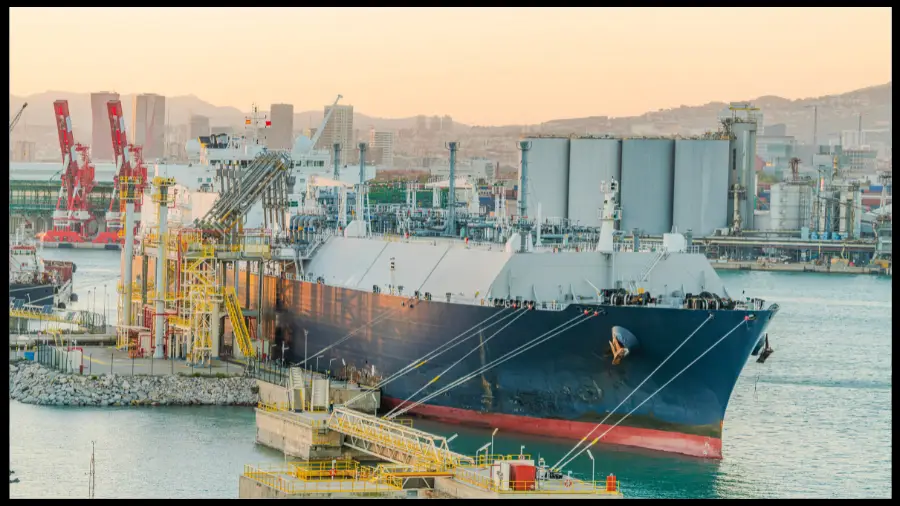
BIMCO has adopted new FuelEU Maritime and EU ETS clauses for ship sale and purchase Memoranda of Agreement, spelling out exactly how emissions compliance obligations, costs and data are split between seller and buyer. In practice this moves FuelEU and ETS risk out of the footnotes and directly into pricing, due diligence and closing mechanics for any EU exposed tonnage.
30 second summary
BIMCO climate clauses in one quick pass
BIMCO has introduced standard FuelEU Maritime and EU ETS clauses for ship sale and purchase forms. They spell out how emissions reporting, compliance balances and allowance costs are split between seller and buyer around the delivery date for EU trading ships.
What is new
FuelEU and ETS exposure is now covered by dedicated BIMCO clauses in MoAs.
Seller covers historic compliance up to delivery and must provide verified data.
Buyer takes over all future FuelEU and ETS obligations from delivery onward.
Impact on deals
Compliance balances and allowances become part of the price and closing mechanics.
Data on emissions and penalties becomes standard in S&P data rooms.
Indemnity language aims to ring fence buyers from hidden legacy liabilities.
Owner and lender angle
Well documented ships with clean records gain an advantage in bids and bank reviews.
Vessels with weak or incomplete compliance histories may face wider bid ask gaps.
EU climate rules move from background noise to a visible line item in every EU exposed ship trade.
In short, BIMCO’s new clauses turn FuelEU and EU ETS costs into a shared, contract defined responsibility between seller and buyer, which is likely to influence valuations, due diligence workload and negotiation dynamics for any ship that trades regularly to EU ports.
BIMCO FuelEU Maritime and ETS S&P Clauses: Deal Impact Snapshot
Item
Summary
Business Mechanics
Bottom-Line Effect
What BIMCO has adopted
BIMCO’s Documentary Committee has approved a FuelEU Maritime Clause and an ETS Clause for use in ship sale and purchase MoAs, aimed at vessels trading under EU rules.
The clauses plug directly into standard MoAs so that emissions compliance, costs and data duties are contractually defined rather than left to ad hoc side letters or negotiations.
📈 More certainty for buyers and sellers on who pays for what. 📉 Less room for disputes over FuelEU and ETS exposure after delivery.
FuelEU duties before delivery
Under the FuelEU Maritime MoA clause, sellers must deliver the ship in compliance at handover, disclose verified FuelEU compliance balances for past periods and issue a partial FuelEU report after delivery.
Seller remains responsible for FuelEU penalties and obligations up to delivery. The partial report and balance disclosure become standard due diligence items, similar to bunker quantities or class status.
📉 More pre closing work and potential cost recognition for sellers. 📈 Cleaner handover of compliance history can support price and buyer confidence.
FuelEU responsibilities after delivery
At delivery, buyers assume full FuelEU responsibility, including control of banking, borrowing and pooling of FuelEU compliance balances linked to the ship.
Buyers step into all future obligations and rights within the FuelEU scheme, while relying on the seller data package to understand legacy exposure and any pending penalties.
📈 Better visibility on future compliance cost for the asset. 📉 Higher risk premium if seller data are weak or balances are negative.
Price and compliance balance
The FuelEU clause includes mechanisms for price adjustment based on whether the ship carries a positive or negative FuelEU compliance balance at delivery and limits the seller’s ability to borrow future compliance in advance.
Compliance balance becomes part of the commercial equation, similar to bunkers on board or unpaid claims. Parties can add or deduct from the purchase price to reflect the value or deficit of the balance.
📈 Well managed compliance can add sale value. 📉 Poor compliance history or negative balances can drag on price or kill deals.
ETS allowance allocation
The ETS MoA clause sets a framework for who reports emissions to the EU ETS and who surrenders allowances for the period before and after closing. Sellers cover emissions up to delivery, buyers from delivery onward.
Seller must submit a verified partial emissions report after closing and surrender the corresponding allowances. Buyer then takes over allowance obligations and may rely on indemnities if seller under reported.
📈 Clear cost split makes it easier to model ETS exposure into S&P pricing. 📉 Any seller shortfall can trigger indemnity claims and closing friction.
Data and documentation package
Both clauses require structured data sharing on FuelEU and ETS status so that buyers can verify past performance and future exposure at ship level.
Compliance reports, verifier statements and allowance records become standard documents in the S&P data room, alongside technical, class and financial records.
📈 Better information flow supports faster, cleaner transactions. 📉 More work for smaller sellers without mature emissions reporting systems.
Indemnities and legal risk
The ETS clause includes indemnity language to shield buyers from penalties tied to seller non compliance before delivery and can be adapted for other trading schemes in future.
This pushes legacy compliance risk back onto the seller and encourages accurate historic reporting, since any missed allowances or penalties may be clawed back after closing.
📈 Buyers gain comfort on hidden ETS liabilities. 📉 Sellers with weak historic compliance may face heavier negotiation over caps, escrows or price.
Who is most exposed and what next
EU trading tankers, bulkers, ferries and boxships are directly affected from 2025 onward, and similar clauses may spread as other regions consider carbon pricing and fuel rules.
Expect these clauses to become standard for EU exposed tonnage and to influence bank terms, valuation models and charter discussions around future compliance cost.
📈 Deals with clear clause use should trade more smoothly. 📉 Older or non compliant assets may see wider bid ask gaps as buyers price in regulatory drag.
Notes: Summary based on BIMCO and trade press releases and current EU FuelEU Maritime and EU ETS frameworks. Actual impact varies by flag, trade pattern, contract form and deal structure.
How BIMCO’s FuelEU and ETS clauses change the deal room
Standard wording for FuelEU Maritime and EU ETS in sale and purchase contracts turns EU climate rules into a visible line item in every EU exposed ship transaction.
Scope: ships trading to or from EU ports
Covered: FuelEU balances and EU ETS allowances around delivery
Effect: emissions cost allocation baked into price and risk sharing
For sellers
Remain responsible for FuelEU and ETS exposure up to delivery.
Need clean records of emissions, allowances and any penalties ready in the data room.
For buyers
Step into full responsibility for future FuelEU and ETS costs from delivery onward.
Can compare candidate ships on emissions exposure, not only age and fuel curves.
For financiers
Gain standardised language for how climate liabilities transfer with the hull.
See emissions cost risk more clearly in credit files and portfolio reviews.
ETS cost ramp that sits behind the clauses
EU ETS coverage for shipping emissions is stepping up. The clauses decide who carries that rising bill around delivery.
Reporting year 2024
40%
Reporting year 2025
70%
From 2026 onward
100%
Percentages show the share of applicable shipping emissions that must be covered by EU ETS allowances for each reporting year. Actual cost depends on EUA prices and trading pattern.
📈 Where the clauses reduce noise
📉 Where the friction can increase
Clear split of FuelEU and ETS obligations around delivery date.
Less guesswork on who pays if regulators adjust rules or enforcement mid voyage.
More comparable S&P terms across brokers and segments.
Extra data demands for owners with weaker monitoring and reporting systems.
More room for negotiation on indemnity caps and historic exposure.
Potentially wider spreads on ships with patchy or high risk compliance history.
Global S&P deals that touch EU trades now have climate cost and compliance risk sitting alongside age, fuel curves and charter cover as core pricing variables. As EU ETS moves to full coverage and FuelEU intensifies over the next few years, the BIMCO clauses help standardise how that risk is handed over with the ship, which is likely to show up in tighter documentation, more structured data rooms and growing valuation gaps between well documented low exposure tonnage and everything else.