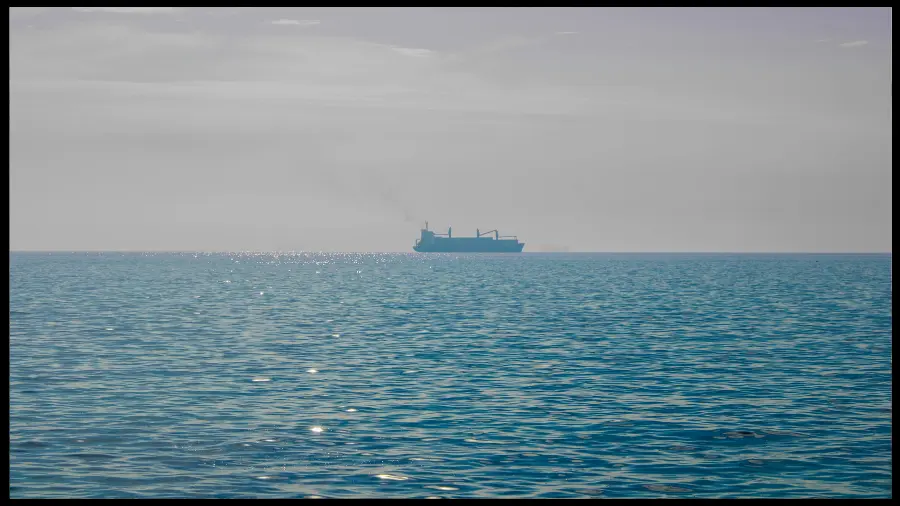
Ukrainian sea drones have now disabled a third Russia-linked “shadow fleet” tanker in the Black Sea, following earlier strikes on the sanctioned tankers Kairos and Virat near Turkey and the latest hit on the Dashan inside Ukraine’s exclusive economic zone as it headed for Novorossiysk with its transponder dark. For shipowners, charterers and insurers, the pattern is clear: older, opaque tankers on sanction-linked routes are no longer just a compliance problem, they are a live target set that is reshaping war-risk pricing, routing choices and the relative appeal of better-documented fleets.
Click here for 30 second summary
Black Sea shadow fleet: who feels the pressure first
Ukrainian sea drones have now damaged three Russia-linked shadow fleet tankers — Kairos, Virat and Dashan — on approaches to Novorossiysk and inside Ukraine’s EEZ, turning discounted Russian crude trades into a frontline for physical as well as sanctions risk. War-risk premia and scrutiny on AIS-dark, sanctioned hulls are rising, while younger, fully documented tankers look relatively safer in charterers’ eyes.
Network snapshot
Attacks are clustered in the Black Sea corridor around the Turkish coast, Ukraine’s EEZ and routes into Novorossiysk, directly touching the fleet that carries a large share of Russia’s seaborne exports.
Impact on fleets and cargo
Shadow fleet operators face more off-hire, repair and inspection time, while charterers weigh freight discounts against higher odds of delay and reputational exposure if another drone hit makes headlines.
Cost and risk signal
War-risk costs and compliance demands trend higher for Russia-linked voyages, supporting a pricing and access premium for compliant tankers and tightening effective capacity around Black Sea crude trades.
Bottom line: three hits in quick succession mark a persistent Black Sea risk premium for shadow fleet oil movements and sharpen the divide between opaque and fully documented tankers in chartering, insurance and finance decisions.
Ukraine’s third hit on Russia’s Black Sea shadow fleet: what this does to risk and tanker economics
Item
Summary
Business mechanics
Bottom-line effect
Pattern of attacks
Ukrainian Sea Baby naval drones have now hit three tankers tied to Russia’s shadow fleet in roughly two weeks: Kairos and Virat off Turkey in late November, and Dashan in Ukraine’s exclusive economic zone on 10 December, while it headed for Novorossiysk with AIS switched off.
This moves the drone campaign from one-off actions to a clear pattern that specifically targets sanctioned or opaque tankers that help move Russian crude and products outside mainstream insurance and tracking.
📉 Higher perceived baseline risk for Black Sea tanker calls, especially for shadow fleet hulls. 📈 Clearer price and access premium for compliant tonnage with transparent ownership and cover.
Kairos and Virat off Turkey
Naval drones disabled the sanctioned tankers Kairos and Virat while they were ballasting toward Novorossiysk, about 28–35 nautical miles off Turkey’s Black Sea coast, with fires and hull damage reported but no cargo onboard at the time.
Both ships are identified by Western authorities as part of Russia’s sanctions-evading shadow fleet. Damage at this distance from Ukraine shows extended drone range and puts aging, lightly regulated tankers under direct physical threat rather than only documentation and sanctions risk.
📉 Extra days at anchor for repairs or inspections reduce available capacity on Russian-linked routes. 📈 Safer, younger ships on standard cover become more attractive for charterers that want to avoid operational and reputational shocks.
Dashan crippled in Ukraine’s EEZ
On 10 December, Ukrainian sources say drones critically damaged the Comoros-flagged tanker Dashan in Ukraine’s exclusive economic zone as it sailed at high speed toward Novorossiysk with its transponder off. The ship is under EU and UK sanctions and is reported put out of action after stern explosions.
Hitting a sanctioned, AIS-dark tanker inside Ukraine’s EEZ reinforces that ships involved in sanction-busting trades can be disabled before loading, not only once they are alongside export terminals.
📉 Shadow fleet operators face higher odds of losing a voyage entirely, not just taking a discount on freight. 📈 Ships that keep AIS on and avoid sanctioned trades gain relative standing when owners and banks allocate capital.
War risk and insurance costs
War risk insurance premiums for Black Sea calls have already risen as underwriters respond to successive tanker and infrastructure attacks. Each new strike feeds into daily reassessments of pricing and terms.
Underwriters can increase additional premiums, narrow cover, or demand clearer data on ownership, routing and sanctions compliance, with the harshest terms applied to older or opaque hulls on Russian-linked routes.
📉 Higher fixed and voyage costs for any ship that continues to trade near contested areas. 📈 Owners with younger fleets and better compliance records are in a stronger position to keep cover and pass some costs through to freight.
Russian crude export logistics
The targeted tankers are part of the group of aging ships used to move Russian oil around the G7 price cap and EU embargo. Damaging several in quick succession removes or sidelines capacity that Moscow relies on to sustain seaborne flows.
With fewer shadow fleet hulls available or willing to load, Russia may need to rely more on a smaller pool of ships, accept higher freight and insurance costs, or adjust export volumes and routing, all of which can ripple into tanker utilization in other basins.
📉 Extra days at anchor raise costs for owner and charterer as damaged or nervous hulls avoid or delay Black Sea calls. 📈 Tightening effective capacity on these routes can support earnings for compliant tankers that are still cleared to lift alternative cargoes.
Coastal state and corridor response
Turkey has already voiced concern that attacks on tankers near its coastline inside its exclusive economic zone pose safety and environmental risks and has signalled closer monitoring of traffic.
Coastal and strait states can respond with more inspections, routing advisories or pressure on ships that combine sanctions exposure, poor visibility and high-risk patterns such as frequent AIS gaps.
📉 Extra port and passage friction for suspect ships can lengthen voyages and raise incidental costs. 📈 Operators that invest in documentation and transparent routing can find access and turnaround times comparatively easier.
Split between compliant and opaque fleets
Repeated strikes on sanctioned tankers sharpen the divide between fully documented ships with mainstream insurance and older, opaque hulls that rely on looser flags and layered ownership to move discounted barrels.
Banks, insurers and major charterers already face pressure to reduce exposure to the shadow fleet. A visible run of incidents makes it easier to justify steering long term business and finance toward cleaner fleets and newer tonnage.
📉 Shadow fleet asset values and liquidity can come under pressure as risk piles up and pools of willing counterparties shrink. 📈 Compliant ships in the same size segments may enjoy firmer charter demand and a pricing premium.
Notes: Information reflects open reporting as of 11 December 2025 on Ukrainian naval drone strikes against the tankers Kairos, Virat and Dashan and related Black Sea war risk developments. Specific repair timelines, insurance terms and future targeting patterns remain fluid and can change quickly with events.
Black Sea shadow fleet: who feels the pressure first
Three Russia-linked shadow tankers hit in quick succession turns Black Sea drone risk into a structural factor for tanker employment,
insurance and routing, not just a one-off headline.
Owners with vintage or opaque tonnage
Older hulls on discounted Russian trades carry higher probability of physical damage and prolonged off-hire, not only sanctions friction.
War-risk premia, additional clauses and vetting questions concentrate on ships with layered ownership and patchy AIS tracks.
📉 Asset values and liquidity for some shadow fleet units may soften as incidents accumulate and buyers, banks and insurers step back.
Owners with younger, compliant fleets
Well-documented ships with mainstream insurance and clear tracks become easier to position as “low-drama” lift options.
Some charterers shift marginal demand away from grey tonnage, tightening utilisation on standard fleets in the same size brackets.
📈 Where supply is tight, compliant owners can defend firmer rates and better terms on voyages that still touch higher-risk corridors.
Charterers, traders and cargo owners
Freight discounts on shadow fleet tonnage sit against higher odds of delay, damage or reputational exposure if drones hit again.
Contracts that involve Black Sea or Russian ports tilt toward more detailed language on deviation, waiting time and war-risk surcharges.
📉 Extra days at anchor raise costs for charterers as well as owners when hulls are held for checks or rerouting after incidents.
Where risk is building fastest
Route riskRegulatory heatWar-risk cost
From left to right: repeated drone strikes deepen route and operational risk in the Black Sea,
regulators and coastal states sharpen their focus on AIS-dark or sanctioned ships,
and war-risk premia trend higher for vessels that still load or ballast near contested export hubs.
High More voyages touch Russian exports and high-risk STS zones.
📉 Rising cost and disruption More off-hire, higher premia, deeper freight discounts to stay employed.
Standard tanker fleets Modern tonnage on mainstream insurance and class.
Selective Can avoid some Black Sea calls or demand stronger protections.
📈 Relative winner Better positioned to capture demand and price premium outside grey trades.
Region-avoiding fleets Deliberately step back from Russian and Black Sea exposure.
Low Little direct risk but potential knock-on from global tonne-mile shifts.
Mixed Insulated from strikes, but less able to monetise any regional tightness.
Snapshot view based on open reporting of drone strikes on the tankers Kairos, Virat and Dashan and associated changes in Black Sea war-risk pricing and compliance focus as of early December 2025.
Three strikes on Russia-linked shadow tankers in the Black Sea have turned Ukraine’s sea-drone campaign into a standing part of the risk landscape for crude flows out of Novorossiysk and nearby routes. The immediate effects are tighter effective capacity for sanctions-exposed trades, higher war-risk costs and a sharper split between opaque and fully documented fleets. How far this filters into wider tanker earnings will depend on whether further attacks remain tightly focused on the shadow fleet or begin to disrupt a broader slice of Black Sea traffic and export infrastructure.