Seized VLCC off Venezuela puts hard edge on sanctions risk for tankers
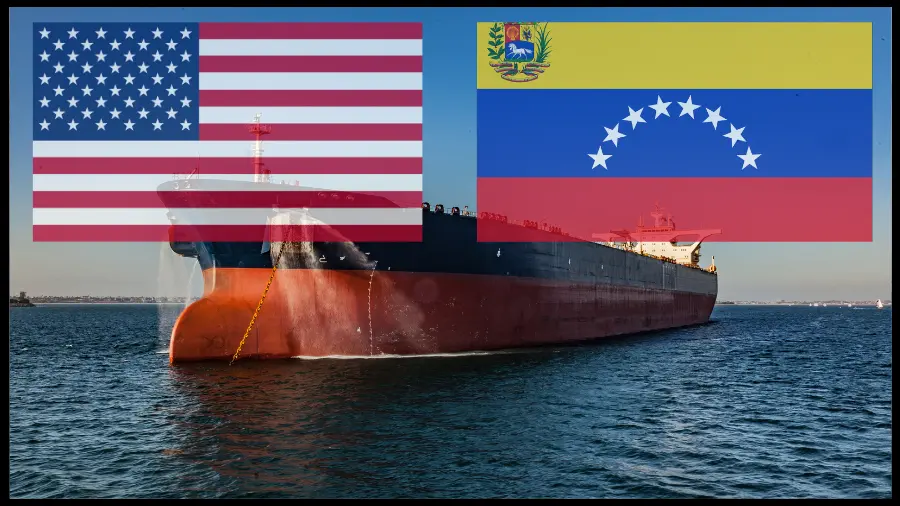
U.S. forces have boarded and seized the VLCC Skipper in international waters off Venezuela, taking control of a tanker carrying sanctioned crude after a helicopter-led operation from the carrier USS Gerald R. Ford. The ship had previously been sanctioned for links to an Iranian oil-smuggling network and was tracked loading around 1.8 million barrels of Venezuelan crude at Puerto José before heading toward Cuba. Venezuelan authorities have condemned the seizure as “piracy,” while market watchers warn it will make owners, insurers and financiers more cautious about shadow trades in the wider Caribbean.
Click here for 30 second sanctions-at-sea summary
VLCC seizure off Venezuela in one quick read
U.S. forces have boarded and seized the sanctioned VLCC Skipper off Venezuela while it was carrying a large cargo of Venezuelan crude, after earlier allegations of dark-fleet trading and AIS manipulation. The move signals a tougher, more visible phase of sanctions enforcement at sea and puts additional pressure on tankers involved in opaque trades around the Caribbean.
- Enforcement shift – The case shows sanctions can now mean physical detention and diversion of ships in international waters, not only fines or banking restrictions, raising the stakes for owners operating near contested flows.
- Risk and cost impact – Older VLCCs in shadow trades face higher risks of seizure, loss of cover and financing strain, while war-risk and compliance costs rise for any ship whose routing or AIS behaviour looks irregular.
- Market implications – If more dark-fleet capacity is sidelined, mainstream VLCC and suezmax tonnage serving alternative crude streams could see tighter supply and firmer earnings, even as traders reassess how much Venezuelan exposure they are willing to carry.
| Indicator | Direction | Readout for stakeholders |
|---|---|---|
| Enforcement style | From fines to seizures | Physical boarding and diversion at sea join financial penalties, raising the practical cost of trading close to sanctioned flows. |
| AIS and routing tolerance | Narrowing | Repeated spoofing, gaps and unusual routing patterns are more likely to trigger investigations and potential interdiction. |
| Dark fleet capacity | Under pressure | Heavily exposed VLCCs risk detention or loss of cover, shrinking the pool of ships available for higher risk Venezuelan and similar trades. |
| Mainstream tanker market | Gradual support | If marginal tonnage is sidelined, compliant VLCCs and suezmaxes on “cleaner” routes can see firmer utilisation and earnings. |
- Older, heavily routed VLCCs in grey trades face higher seizure, arrest and refinancing risk.
- Clean AIS records, transparent structures and documented vetting become key to charter selection.
- More scrutiny on counterparties and nominated ships for Venezuelan and other sanctioned-linked barrels.
- Potential need to rebalance sourcing toward less exposed origins if seizures continue.
- Heightened focus on portfolio exposure to dark trades and sanctioned entities.
- Stronger preference for borrowers and insured fleets with limited exposure to contested routes.
- Heightened risk of boarding or detention for ships with sanction flags in their trading history.
- Longer waiting and diversion around enforcement areas add fuel burn and off-hire exposure.
- Less competition from marginal hulls can support time-charter cover and spot rates on mainstream routes.
- Stronger case for premium paid to ships with transparent ownership and clear sanctions policies.
The seizure of the Skipper underscores how fast sanctions enforcement at sea is evolving from paperwork to physical action. Tanker markets will now track whether this proves a one-off show of force or the start of a more systematic push against dark trades around Venezuela and similar hubs, with implications for which fleets carry the world’s heavier barrels in the months ahead.