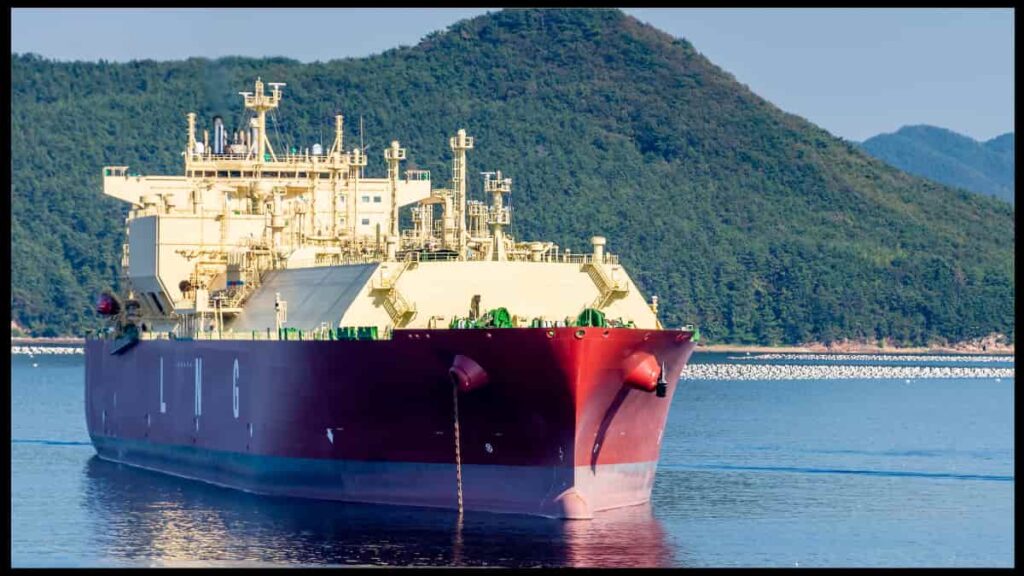
China COSCO Shipping has signed a framework with China State Shipbuilding Corp (CSSC) for 87 new vessels worth more than RMB 50 billion, or a little over $7 billion. The program spans ultra large container ships, ultra large bulk carriers, VLCCs, grain carriers, MR product tankers, heavy lift multipurpose ships and small feeders, with construction spread across major CSSC yards such as Jiangnan, Dalian, GSI, Beihai, Wuchang and Chengxi.
COSCO $7bn, 87-Ship Order: Capacity And Asset Impact
Item
Summary
Business Mechanics
Bottom-Line Effect
Deal headline
COSCO and CSSC have agreed a domestic newbuilding framework worth over RMB 50 billion for 87 ships across multiple fleet segments, signed in Shanghai on 8 December 2025.
Largest known domestic owner yard package so far, locking several CSSC yards into COSCO work for the second half of this decade.
📈 Strong capacity and renewal signal from a top tier owner, 📉 more competition risk for independent fleets on key trades once tonnage delivers.
Vessel mix
Package includes ultra large container ships, ultra large bulk carriers, VLCCs, grain carriers, MR product tankers, multi purpose heavy lift ships and smaller container units.
Capacity is added across liner, dry and energy segments at once, giving COSCO a broader, modern platform that can flex with trade patterns.
📈 Wider COSCO footprint on container, bulk and tanker routes, 📉 more pressure on older tonnage that competes on the same corridors.
Timing and yard slots
Construction will be spread across major CSSC yards, filling Chinese newbuilding capacity for several years and adding to earlier COSCO programs.
With CSSC capacity heavily committed, competing owners may find fewer early slots and firmer yard pricing, especially for large vessel designs.
📈 Higher replacement cost for late movers, 📉 less flexibility for independents that want quick-turn eco or alt fuel designs from the same yards.
Link to existing orderbook
COSCO already had more than 80 boxships on order plus recent deals for Capesize bulkers and large tankers. The new 87-ship framework sits on top of that pipeline.
Combined, the programs reinforce COSCO’s long term position as a large scale carrier with a relatively young, fuel efficient fleet.
📈 COSCO strengthens bargaining power in long term contracts, 📉 some charter markets may feel crowded when deliveries peak.
Fuel and efficiency profile
Public comments from COSCO and earlier related orders stress energy efficiency and readiness for alternative fuels, in line with China’s wider green shipping push.
New tonnage is likely to carry better CII ratings and more flexible fuel setups than much of the existing fleet, positioning COSCO for tighter rules.
📈 Lower per unit fuel and carbon cost for the new fleet, 📉 competitive gap widens for older ships that will need derating, retrofits or earlier scrapping.
Rate cycle implications
The 87 ships will deliver against an already active global orderbook in containers and bulk, adding incremental supply in the late 2020s.
If trade growth and slow steaming do not absorb the added capacity, pressure on spot and period rates is likely once deliveries ramp up.
📉 Potentially softer forward rate expectations in affected segments, 📈 owners with modern ships already on the water can benefit before new tonnage hits.
Independents and chartering
As COSCO brings in more owned capacity, space for long term charters from independent tonnage can narrow on some trades, while demand stays on others.
Charterers may shift part of their portfolios toward large integrated carriers that can offer scale and green credentials from new fleets.
📉 Some independents could see fewer long cover opportunities, 📈 others may find niches in regional or specialised trades that big fleets do not fully cover.
Policy and geopolitical angle
The move comes despite talk of future fees on China built and owned ships in some markets, with reports that US port fee plans have been delayed by a year.
COSCO’s commitment signals confidence that domestic shipbuilding and Chinese controlled fleets will continue to play a central role in global trade flows.
📈 Reinforces China’s shipbuilding and carrier influence, 📉 regulatory or fee shocks could later affect earnings if trade measures tighten.
Notes: Summary based on public disclosures and trade press reports. Actual delivery schedule, propulsion choices and commercial deployment will depend on detailed contracts and market conditions.
How an 87-ship block order reshapes the playing field
COSCO’s multi segment program is not just another container order. It concentrates new capacity, yard influence and fuel efficient tonnage in one state backed group, with ripple effects for rivals ordering later and for cargo interests that rely on long term service stability.
87 ships: containers, bulkers, VLCCs, MRs, MPVs
Capex: ≈ $7 billion framework
Yards: key CSSC sites locked in for years
Theme: larger, younger, more efficient COSCO fleet
Where the megaprogram supports earnings
Where the megaprogram raises pressure
📈 COSCO locks in modern tonnage at known yard prices before further cost moves.
📈 Younger fleet improves fuel and carbon performance on core trades.
📈 Large owned capacity strengthens COSCO’s position in long term service deals.
📉 Additional ships arrive into markets that already have heavy ordering in some segments.
📉 Independents bidding for similar designs at Chinese yards may face higher prices or later slots.
📉 Older tonnage on overlapping routes will compete against lower unit cost newcomers.
Segment lens: main ripple channels
Global liner networks
New COSCO boxships add to the wave of large, efficient units feeding Asia–Europe and transpacific networks. Slot supply, alliance dynamics and long term contract pricing will feel the impact when deliveries cluster.
Dry bulk and crude trades
Additional ultra large bulkers and VLCCs sit on top of existing orderbooks and may cap rate spikes in later years if trade growth slows or slow steaming does not fully offset the new capacity.
Shipyard and S&P markets
Block work for COSCO tightens Chinese yard availability, supports newbuild price levels and gives modern COSCO vessels a benchmark for future resale and charter comparables.
Effects will show up gradually as ships deliver and older units roll off charter or head for scrap.
Stakeholder
Practical impact
Earnings angle
Peer liner and bulk owners
Compete against a larger, younger COSCO fleet on main lanes and in key bulk and tanker pools.
📈 Chance to benefit from today’s firmer markets before deliveries peak, 📉 risk of future margin squeeze on routes where COSCO adds capacity.
Owners ordering later at Chinese yards
Face tighter slot availability and less negotiating room on price and delivery windows, especially for large ship designs.
📉 Higher replacement cost and longer lead times, particularly for copycat eco or alternative fuel projects.
Cargo interests and long term charterers
See one of their key carriers commit heavily to scale and fleet renewal, improving service resilience but adding sensitivity to future capacity cycles.
📈 Potential for reliable, lower emission lift over time, 📉 less pricing power if large integrated carriers dominate main corridors.
COSCO’s 87 ship block order adds another layer to a crowded orderbook story, but it also shows how strongly Chinese yards and carriers are leaning into scale, efficiency and long term control of capacity. How comfortably the market absorbs this tonnage will depend on trade growth, slow steaming and scrapping pace in the second half of the decade, and rate cycles on container, bulk and tanker routes are likely to reflect that balance.