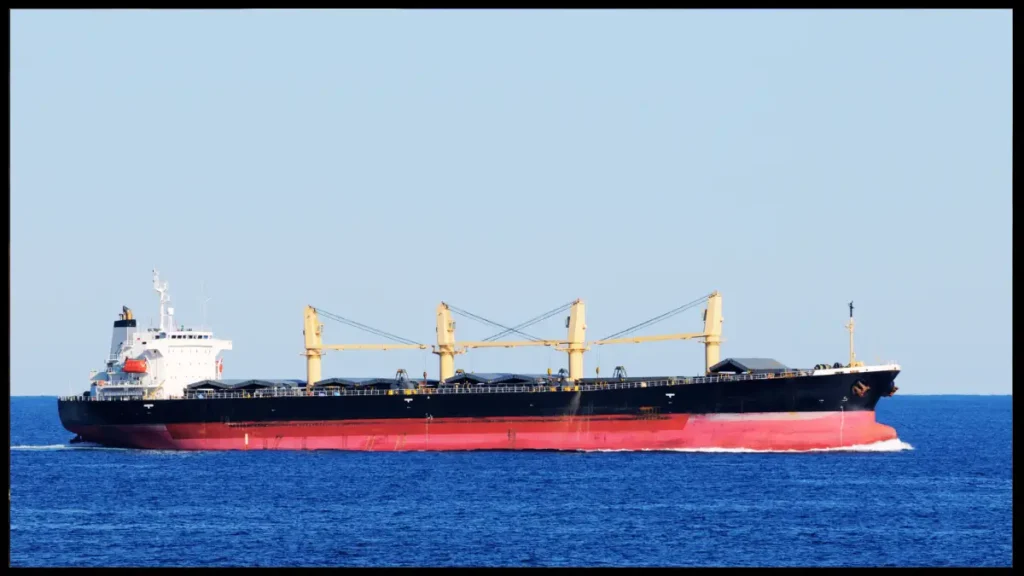
Global contracting for new dry bulk carriers has dropped sharply in 2025, with just about 25 million dwt of bulker newbuildings ordered between January and November, a 54% year-on-year fall and the lowest level since 2020. The dry bulk orderbook is now roughly 4% smaller than a year ago and stands at around 11% of the existing fleet, with the number of individual ships ordered down more than 60% and at the lowest level since the mid-2010s. Analysts point to a cloudy demand outlook, long delivery lead times into 2028–2029, and still-high yard prices as key reasons owners are sitting on their hands.
| Bulker Newbuilding Orders At Five Year Low: Industry Impact |
| Item |
Summary |
Business Mechanics |
Bottom-Line Effect |
| Contracting level |
Bulker newbuilding contracting has fallen about 54% year on year to roughly 25 million dwt in January–November 2025, the lowest since 2020, with ship counts down about 61% and at their weakest since 2016.
|
Owners are deferring orders after a strong 2024 cycle, facing softer earnings earlier in 2025, uncertainty on future fuel rules, and long waits for delivery slots. Some months in early 2025 saw virtually no new bulk carrier orders placed.
|
📈 Forward bulker supply growth is being throttled; 📉 owners that delay too long risk missing preferred delivery windows if demand rebounds.
|
| Orderbook vs fleet |
The dry bulk orderbook has slipped about 4% over the past year and now equals roughly 11% of the active bulker fleet, a historically low ratio across most segments.
|
With a modest delivery pipeline and limited new contracts, any sustained demand growth or fleet inefficiency (for example canal disruption, congestion or longer trades) will translate more quickly into tighter vessel availability.
|
📈 Supports the next dry bulk rate cycle and underpins asset values, especially for modern eco ships; reduces oversupply risk later in the decade.
|
| Price signals (newbuild vs secondhand) |
Newbuilding prices have eased only slightly (around 3% since the start of 2025), while five year old bulkers have gained about 4% and now sell for roughly 93% of the price of an equivalent newbuild.
|
High yard prices and long lead times into 2028–2029 push many owners toward younger secondhand ships instead of expensive late delivery newbuilds, especially when charter cover is limited.
|
📈 Floors values for modern secondhand bulkers; 📉 reduces appetite for fresh newbuilds until the price and delivery gap becomes more attractive.
|
| Deliveries and scrapping |
Dry bulk deliveries have already slowed, with around 18 million dwt delivered in the year to date and scrapping running in the low single digit millions of dwt, leaving net fleet growth modest by historical standards.
|
A thin newbuilding pipeline combined with only limited demolition means fleet growth will increasingly hinge on whether older vessels are recycled on time or kept trading into their late teens and twenties.
|
📈 If scrapping accelerates, supply tightens sharply; 📉 if owners keep older ships, operating and compliance costs rise and CII pressure builds.
|
| Fleet age and quality |
Industry data show average fleet age creeping higher, with more than one third of global cargo capacity across sectors now above 15 years, and bulkers are no exception.
|
A slow orderbook today means a larger share of older ships competing for cargoes in the later 2020s, at the same time as fuel efficiency and emissions rules tighten and charters become more selective.
|
📈 Premium widens for eco and compliant tonnage; 📉 vintage ships face steeper discounts or earlier recycling if they cannot clear CII and charter benchmarks.
|
| Yard slots and segment competition |
Shipyards remain busy with container, gas and specialised tonnage, while bulkers, tankers and gas carriers together run below trend on new orders. Available slots at leading East Asian yards are often three years out or more.
|
Even if bulk owners decide to order later, they will compete with other segments for constrained capacity and may face higher prices and delivery dates pushed further into the 2030s.
|
📈 Early movers can still lock in some 2028–2029 berths; 📉 late movers risk paying more per dwt and losing flexibility on timing.
|
| Financing and risk appetite |
Banks and lessors are cautious about backing speculative bulker orders that deliver far beyond current charter horizons, especially with carbon cost and fuel choices still uncertain.
|
That caution reinforces owner reluctance to commit large equity tickets to ships that only start earning late in the decade, particularly when secondhand acquisitions can be financed against visible cash flow.
|
📈 Encourages balance sheet discipline and selective ordering; 📉 can leave the market short of modern tonnage if demand and regulations move faster than expected.
|
| Strategic outlook |
The combination of a thin orderbook, aging fleet and strong competition for yard slots points to a structurally tighter future bulker supply side if trade volumes hold anywhere close to current levels.
|
Owners, charterers and financiers need to stress test plans against scenarios where fleet growth stays low, asset prices remain supported, and modern eco tonnage earns a growing premium under CII and regional carbon regimes.
|
📈 Better forward visibility and potential for stronger rate cycles; 📉 higher entry cost for latecomers and more expensive cover for charterers if they delay locking in tonnage.
|
|
Notes: Figures are based on BIMCO, Clarksons and other market sources current in late November and early December 2025. Exact dwt and ship counts may be revised as late reported contracts are included.
|
The sharp slowdown in bulker ordering leaves the sector facing a smaller delivery pipeline and an aging fleet through the second half of the decade. With the orderbook at a multi-year low and yard capacity still dominated by other segments, future fleet growth now hinges more on scrapping decisions and trade volumes than on a fresh wave of newbuildings. How quickly owners return to the yards will help determine whether today’s tight forward supply picture turns into firmer rate cycles or remains a missed opportunity.