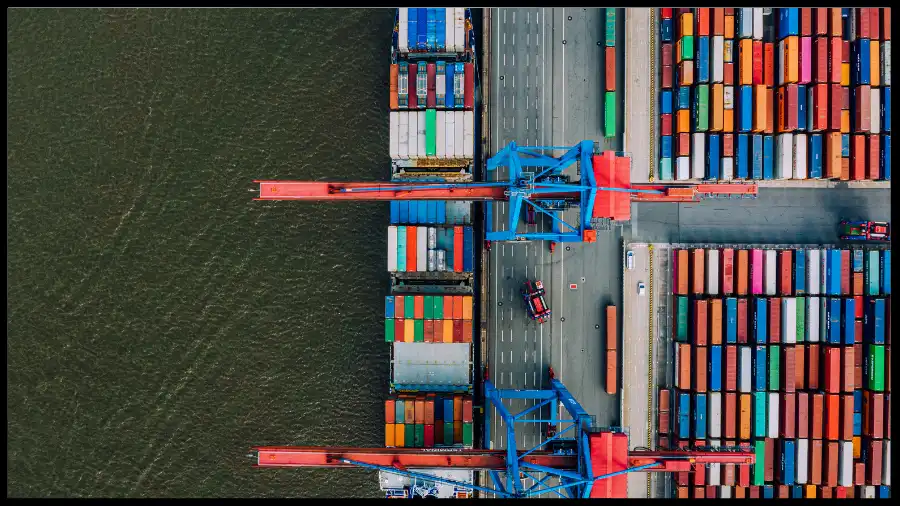
South Africa’s Competition Commission has sent a decade-long price-fixing case to the Competition Tribunal that targets the local units of eight major container lines. Regulators say the carriers coordinated general rate increases on routes between South Africa, Asia and West Africa from 2008 to 2018, charging identical GRIs on key corridors such as Shanghai, Ningbo and Shekou to Durban and back. If the Tribunal confirms the findings, the lines could face fines of up to 10 percent of their South African turnover plus possible behavioural remedies, which would influence how base rates, surcharges and contract structures are set on Asia–Africa trades in the years ahead.
Click here for 30 second summary
South Africa price-fixing case in one view
South Africa has sent a price-fixing case against the local units of several global container lines to its Competition Tribunal. Regulators say the carriers aligned general rate increases on key Asia and West Africa linked trades serving South Africa over a long period, rather than setting prices independently.
Regulator move: The case has shifted from investigation to prosecution, which means the Tribunal can now test evidence, impose fines of up to ten percent of local turnover and require changes to how rates and surcharges are set on South Africa related corridors.
Pricing practices in focus: General rate increases and surcharges on trades into and out of South Africa are likely to come under tighter scrutiny. Carriers will need clearer cost-based explanations and better documentation for future adjustments, instead of parallel GRI rounds at common levels.
Impact for shippers and carriers: South African importers and exporters may gain leverage to negotiate more transparent contracts and limits on GRIs. Global liner groups face higher compliance costs and may shift toward formula-based, auditable pricing in the region to reduce antitrust risk.
The direct effect on spot rates is likely to be gradual, but the case is already shaping how Asia to South Africa and West Africa to South Africa contracts will be written for 2026 and beyond. For carriers and large cargo owners, it signals that antitrust governance on container pricing is becoming as important as bunker and capacity planning on this corridor.
South Africa Price-Fixing Case: Industry Impact
Item
Summary
Business Mechanics
Bottom-Line Effect
Who is in the dock
The Competition Commission has referred a case against local units of eight container carriers, including Maersk, MSC, CMA CGM, COSCO, Evergreen, MOL, PIL and K Line, to the Competition Tribunal for prosecution.
The referral moves the matter from investigation to a formal adjudication process before the Tribunal, which can impose penalties and behavioural conditions under South African competition law.
⚖️ Reputational and legal risk for the named liners, closer scrutiny of how they price and communicate GRIs on South Africa-linked trades.
Alleged conduct and period
Regulators allege that from 2008 to 2018 the lines coordinated general rate increases for container cargo between South Africa and Asia and between South Africa and West Africa, applying the same GRI levels on several corridors.
Identical GRIs on routes such as Shanghai, Ningbo and Shekou to Durban, Durban to Hong Kong and Qingdao to Durban are cited as evidence of a cartel pattern rather than independent pricing.
📉 If proven, past contracts and surcharges are formally tagged as collusive, increasing the chance of penalties and potential follow-on damages claims from shippers.
Legal and financial exposure
Under South Africa’s Competition Act, the Tribunal can impose administrative penalties of up to 10% of a firm’s South African turnover and exports for the preceding financial year for serious cartel conduct.
The Tribunal will weigh affected turnover on the trades in question, duration of the conduct and aggravating or mitigating factors when setting any penalty, and may also accept settlement deals that include commitments on future conduct.
📉 Potential multi-million dollar fines and compliance costs for carriers; 📈 opportunity for shippers to argue for lower future GRIs and tighter surcharge governance.
Impact on South Africa cargo owners
The Commission argues that breaking any cartel will lower the price of imports into South Africa and reduce export costs, making local producers more competitive.
If carriers are forced to set GRIs independently and justify surcharges more transparently, there is pressure for sharper quotes on Asia–South Africa and West Africa lanes, particularly in contract negotiations.
📈 Possible freight savings and stronger negotiating leverage for South African shippers; 📉 less room for uniform GRI rounds pushed through across the trade.
Impact on global liner groups
The case focuses on South Africa-related trades but involves some of the largest global carrier groups, whose internal compliance and pricing processes are already under pressure in other jurisdictions.
A strong ruling or settlement in South Africa may trigger internal reviews of GRI practices on other corridors and encourage regulators elsewhere to revisit liner pricing coordination, even if conferences and discussion agreements have already been scaled back.
📉 Higher compliance burden and legal spend; 📈 incentive to standardise antitrust-safe pricing governance across global networks.
Contract structure and GRIs
Regulators are targeting how GRIs are set and communicated, which may push carriers and customers toward contracts with clearer caps, triggers and indexing for Asia–South Africa and West Africa lanes.
To reduce antitrust risk, lines may rely more on transparent formula-based adjustments (for example bunker indices and terminal charges) and less on broadly synchronised GRI announcements at fixed calendar dates.
📈 Greater predictability for shippers that secure clear formulas; 📉 less flexibility for carriers to push through broad discretionary increases without market justification.
Operational and data requirements
Carriers and large customers may need to keep tighter records of GRI notices, surcharge changes and tender responses on South Africa-linked lanes to evidence independent decisions.
Legal and compliance teams will likely enforce stricter rules on information sharing between trade lanes and alliance partners, as well as more detailed internal approvals for rate changes that affect multiple routes at once.
📉 More internal admin and slower sign-off cycles; 📈 better documented audit trail that can support or defend pricing decisions in future reviews.
Timeline and next checkpoints
The referral to the Tribunal is recent, so hearings, evidence testing and possible settlement talks are expected to play out over an extended period rather than weeks.
Market impact on rates is likely to be gradual. The larger commercial effect comes as contracts roll over, with shippers using the case as leverage for more competitive terms and regulators monitoring compliance commitments.
📈 Near term: signalling effect for 2026 contract talks; 📉 longer term: margin pressure if Tribunal rulings or settlements require structural changes to GRI practices.
Notes: Case details are based on public statements by the South African Competition Commission and media reports current in early December 2025. Actual penalties, timelines and remedies will depend on the Tribunal’s findings and any settlements reached.
A regional case with global pricing consequences
South Africa is testing whether some of the largest liner groups pushed general rate increases together rather than independently on Asia and West Africa related trades. The outcome will not rewrite the whole global tariff book, but it can change how GRIs are designed, justified and audited on one of the main north south corridors.
Quick read for Asia – South Africa trades
Regulatory pressure on GRIs
High
Carrier freedom to copy GRI patterns
Shrinking
Shipper leverage in 2026 tenders
Improving
Compliance and legal workload for carriers
Heavy
Levels are indicative and reflect how this case is likely to change pricing behavior rather than forecast any specific verdict.
Theme
Potential upside
Pressure point
GRI design and transparency
Greater use of indexed and formula based adjustments can make future rate moves easier to predict for cargo owners.
Carriers have less freedom to set identical step changes across the trade without a clear cost story and audit trail.
Competition on surcharges
More pressure for differentiated offers on bunker, congestion and peak season components rather than standard tables.
Harder to maintain market wide surcharge templates at high levels if regulators look at patterns closely.
Internal compliance and data
Better documented decisions reduce future exposure and support discussions with banks and investors on governance.
Trade teams need to accept slower approvals and tighter limits on what can be discussed with competitors or partners.
Stakeholder
What this case highlights
Bottom line angle
Global carriers
Need to show that South Africa GRIs are set independently and tied to clear cost or capacity factors, trade by trade.
Higher legal and compliance cost now can avoid heavier fines and stricter remedies later.
South Africa importers and exporters
Chance to negotiate more tailored rate structures, with caps on GRIs and separate handling of bunker and congestion.
Over time there can be a cleaner link between service quality, reliability and the price paid per container.
Ports and logistics players
Need to understand how any change in liner pricing behavior may shift volumes across competing routes and terminals.
Better pricing transparency can help ports and inland operators position their own tariffs and value added services.
How South Africa handles alleged cartel conduct on Asia and West Africa linked trades will influence future GRI design, surcharge practice and the language that goes into contracts and tenders. The direct cost impact will likely show up gradually as 2026 deals are signed, but the governance shift is already in motion, and carriers that adapt their pricing playbook early are likely to face less disruption if regulators push for stronger remedies later.