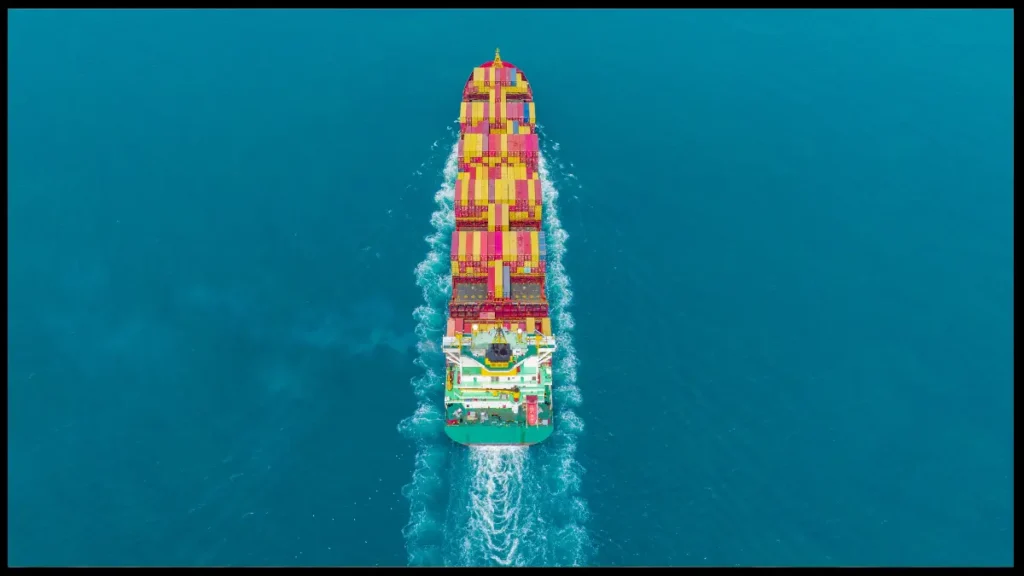
The latest progress report from the Getting to Zero Coalition and Global Maritime Forum shows green shipping corridors growing to 84 active initiatives worldwide, with 25 new routes launched this year and four now in the realisation stage where actual ships, fuel plants, or infrastructure are being built or operated. Yet most projects are still stuck in early phases, facing a "feasibility wall" where expensive zero emission fuels, unclear long term policy and limited demand commitments make it hard to move from studies to signed offtake contracts and steel in the water.
| Green Shipping Corridors: Growth vs Feasibility: Industry Impact |
| Item |
Summary |
Business Mechanics |
Bottom-Line Effect |
| Corridor count and stage |
As of late 2025 there are 84 announced green corridor initiatives, up from 59 a year earlier. Most are still in initiation or exploration, with only a small group in preparation and four in full realisation.
|
Stage mix: roughly two thirds in studies and planning, a smaller set preparing concrete projects, and a very limited number at the point of ordering or operating vessels and fuel infrastructure.
|
📉 Near term, little direct impact on daily freight rates. 📈 Over 5 to 15 years, these few early real projects will set technical and commercial templates that influence future fleet values.
|
| New geographies |
New initiatives are emerging in China, India, Brazil, Chile, Ghana and Kenya alongside corridors in Europe and North America, as governments and ports position themselves as green fuel hubs.
|
Corridors link export heavy regions and fuel production sites, tying future bunkering decisions to national energy strategies and local industrial policy rather than just shipowner preferences.
|
📈 Owners with exposure to these trades may see earlier access to alternative fuels. 📉 Fleets focused on routes left out of the first wave risk facing fewer fuel options and higher compliance costs later.
|
| Feasibility wall |
Many corridors are now held up by a cost gap between conventional bunkers and zero emission fuels, plus uncertainty over how future carbon pricing and support schemes will share that gap.
|
Without predictable policy tools, fuel suppliers hesitate to build plants, banks hesitate to lend, and charterers hesitate to sign higher cost offtake contracts that would back newbuilds and retrofits.
|
📉 Risk that early zero emission tonnage is underutilised or underpaid. 📈 Owners who time orders to coincide with support schemes can lock in subsidies and premium rates.
|
| Regulation timing |
The IMO Net Zero Framework has been pushed back by about a year, leaving at least a 12 month window before global rules on fuel intensity and carbon pricing are finalised.
|
Governments and industry can either wait or use this gap to shape schemes and pilot contracts. Regional regimes like EU ETS and FuelEU Maritime move ahead, but global clarity is still pending.
|
📉 Prolonged uncertainty makes big CAPEX decisions harder. 📈 First movers that build projects now can influence later rules and position their fleets for future compliance revenues.
|
| Stakeholder mix |
Port authorities and governments remain central corridor sponsors, and vessel owner participation has risen, but dedicated financial institutions are still under represented inside many consortia.
|
Projects often advance through public funding for feasibility studies, then slow once they reach the stage where private capital and long term offtake are needed to move into construction.
|
📉 Pipeline of studies without follow through raises the risk of stranded planning costs. 📈 Corridors that actively bring in banks and export credit agencies early are more likely to reach FID.
|
| Who is moving fastest |
Findings show that initiatives with strong industry leadership and real cargo and ship commitments are moving faster into the realisation stage than purely government funded studies.
|
Where shippers, charterers and owners put volume and tonnage on the table, fuel suppliers and financiers have clearer signals, making it easier to close contracts and launch projects.
|
📈 Fleets tied to corridors with concrete commercial commitments are more likely to secure long term green contracts and premium employment.
|
| Asset strategy and fuel choice |
The corridor map influences where ammonia, methanol or other fuel infrastructure will appear first, but the feasibility wall means not every announced route will reach full build out.
|
Owners weighing dual fuel newbuilds or major retrofits must decide whether to align with specific corridors, hedging across fuels or stay conventional longer and pay higher carbon and efficiency costs.
|
📉 Wrong bet on fuel or corridor exposure could strand assets or compress resale values. 📈 Flexible propulsion and strong efficiency scores give more room to adapt as corridors shake out.
|
| Cargo and charter demand |
Many cargo owners want low carbon logistics on paper, but the report notes limited willingness so far to commit to long term premium contracts at scale on specific corridors.
|
Without firm demand signals, projects struggle to secure offtake for higher cost fuels and to pass enough of the green premium into freight rates for owners to justify investment.
|
📉 Risk that zero emission ships rely on a small pool of niche contracts. 📈 Owners with deep charterer relationships can co design contracts that share costs and lock in multi year support.
|
| Timeline for impact |
Corridor growth today is less about current quarter TCE and more about how fleets will be priced, regulated and financed over the next decade as the first operational corridors demonstrate workable models.
|
Early projects help define technical standards, fuel contracts and risk sharing structures that financiers and regulators will later use for wider fleet segments beyond the corridors themselves.
|
📈 Owners that learn from corridor pilots can upgrade their fleets on better terms. 📉 Those that delay may face a future where compliant tonnage is more expensive and credit conditions are tighter.
|
| Owner planning checklist |
Key steps now: map corridor exposure by trade, track which projects are in real preparation, and test how different fuel and carbon price paths affect your fleet cash flows.
|
Simple scenarios on carbon price, fuel spreads and regulation timing give boards and lenders a clearer picture of when green CAPEX becomes unavoidable vs optional.
|
📈 Better prepared owners can line up finance and yard slots early and negotiate stronger positions with charterers once corridor projects move past the feasibility wall.
|
|
Notes: Stage counts, geographic spread and stakeholder trends reflect the 2025 Annual Progress Report on Green Shipping Corridors and related commentary. Financial and regulatory implications will differ by fleet type, age, route mix and capital structure.
|
For now, most green corridor projects will not change tomorrow’s fixture list, but they are already shaping where the first large volumes of alternative fuels will actually be available and which trades attract support money. Shipowners that quietly map their exposure to these routes, stress test fuel and carbon scenarios, and keep options open on propulsion and efficiency are more likely to treat the feasibility wall as a planning checkpoint rather than a surprise cliff later in the decade.