OPEC+ Holds The Line: Pause On 2026 Oil Hikes Keeps Bunkers In A Narrow Range
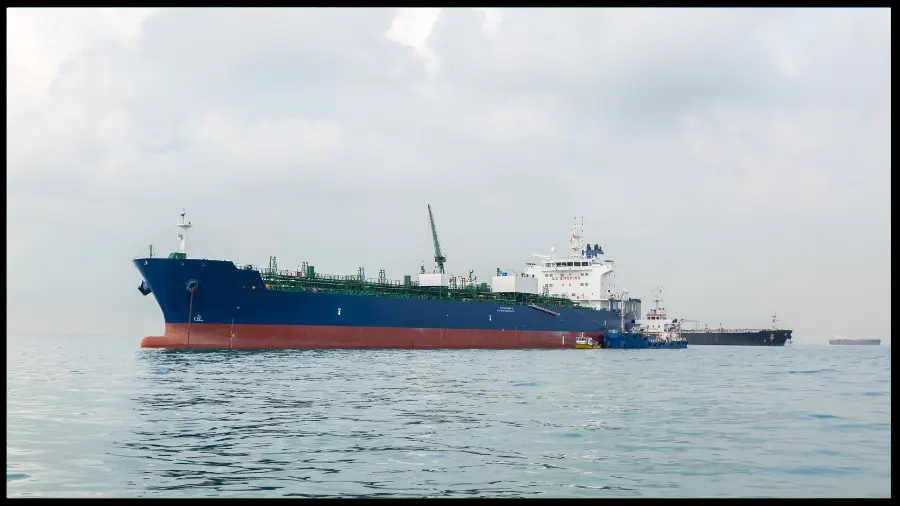
OPEC+ ministers met Sunday and chose to keep their existing production plan in place, confirming that there will be no fresh output increases in the first quarter of 2026. The group has already brought back about 2.9 million barrels per day since April 2025, but is still holding roughly 3.24 million barrels per day of cuts, including a core 2 million barrel cut that runs through 2026 and a separate 1.24 million that had been scheduled for gradual return but is now on pause again.
Click here for 30 second summary
OPEC+ output pause in 30 seconds
OPEC+ has chosen to keep its current oil supply plans in place into early 2026, leaving several million barrels per day of cuts active instead of opening the taps. At the same time the group approved a review of each member’s capacity in 2026 that will feed into new quotas from 2027. The result is a steadier path for crude prices and bunkers, but with a clear warning that policy can still move if a surplus or shortage builds.
A steady output path into early 2026 calms price shocks but keeps a looming surplus in play, so fleets, refiners and traders have to plan around a narrow band instead of wild swings.
Key signals from this meeting
Who should do what with this information
Treat it as a range, not a rally
Use the OPEC+ pause to frame earnings scenarios around stable to slightly softer crude prices. Shadow and sanctioned flows may keep some long routes busy, but mainstream fleets should model slower volume growth and focus on utilisation and positioning rather than betting on a demand spike.
Lock in sensible fuel cover
With policy known into early 2026, bunker curves offer a clearer cost band. This is a window to fine tune fuel clauses, surcharges and hedges so that fixtures and voyages are protected if crude drifts a little higher or lower around the current range.
Watch cracks and oil on water
Product margins and floating storage tell you more about stress than the headline decision. High diesel and gasoline cracks with rising oil on water point to a split market where sanctioned barrels and logistics constraints matter as much as headline OPEC+ volumes.
Policy bias in one line: protect price more than volume
- More predictable crude policy helps owners and charterers refine 2026 budget and hedge ranges instead of trading blind around every meeting.
- Refiners can plan runs and maintenance with less fear of sudden supply shifts from core Gulf producers.
- Fuel clauses, surcharges and time charter rates can be calibrated to a narrower bunker band, improving P and L visibility on long contracts.
- Clear capacity review timing for 2026 gives analysts a timeline for when 2027 quota fights will start to shape flows.
- A pause still leaves the risk of a 2026 surplus if non OPEC supply and sanctioned flows grow faster than demand.
- Limited extra export volume from Gulf producers caps upside for mainstream crude tonne miles and spot rate spikes.
- Capacity reviews and quota renegotiations through 2026 could trigger sharp policy pivots if key members feel disadvantaged.
- Relying too heavily on this steady signal without scenario work leaves fleets exposed if macro shocks or conflicts hit oil balances.
Time horizon for decisions
For maritime stakeholders this OPEC+ meeting is a textbook example of a quiet decision that still matters for day to day planning. The group has confirmed that output will stay steady into early 2026 while it keeps several million barrels per day of cuts in place, and at the same time it has approved a capacity review that will shape 2027 quotas. For owners and charterers the signal is to assume moderate crude and bunker prices around current levels and to spend more energy on route mix, sanctions exposure and refinery margins than on betting on a sudden supply shock from Vienna. The real swing factor now shifts to how quickly any surplus builds in 2026 and how the capacity assessment turns into quotas for 2027, which is when trade patterns and tanker earnings could change more sharply.
We welcome your feedback, suggestions, corrections, and ideas for enhancements. Please click here to get in touch.