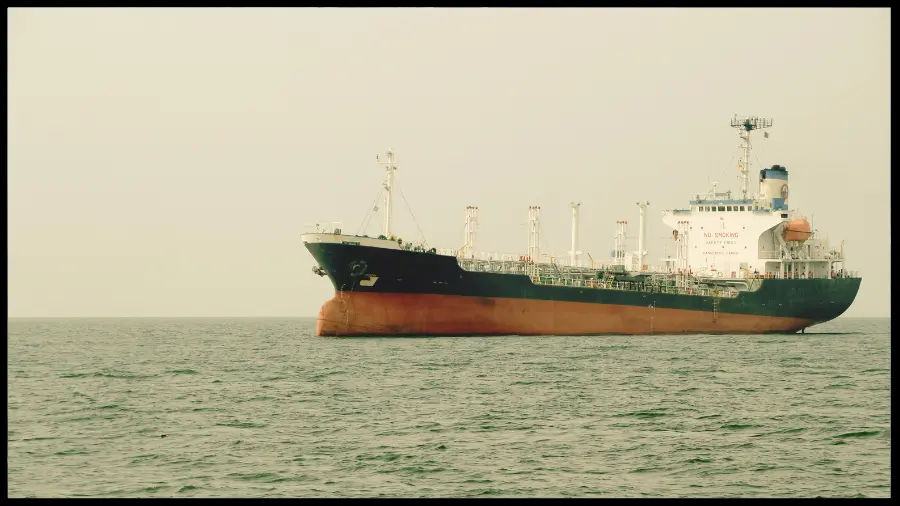
Global fleets are getting older just as ordering picks up and new recycling rules bite. Recent analysis shows container, tanker and bulk segments all carrying a heavy share of mid-life and elderly ships, while new orders and compliant recycling capacity are only starting to catch up. For owners and financiers, that mix will shape asset values, charter rates, CII scores and scrap timing over the next few years.
| Aging Fleets And Renewals: Industry Impact |
| Item |
Summary |
Business Mechanics |
Bottom-Line Effect |
| Cross segment aging signal |
Recent tanker, container and bulk reports highlight a large share of fleets in the mid-life and older brackets while orderbooks, although rising, do not fully offset potential recycling.
|
Older ships stay in service due to strong earnings and reroutings, but looming CII rules, fuel costs and maintenance eventually push owners toward renewal or scrap.
|
📈 Support for asset values and charter rates in tight segments, 📉 higher capex and opex planning burden as renewals accelerate.
|
| Container fleets and FIATA view |
FIATA analysis cited in a late November report puts the average age of the fleets of the top ten container lines at about 13 years, with around one third of geared boxships over 20 years old and scrapping still running at a fraction of one percent of capacity.
|
Geopolitics and diversions around the Red Sea keep even elderly ships employed, since carriers need every slot, delaying scrap and stretching technical and efficiency limits.
|
📈 Older ships keep earning in the short term, 📉 but face future pressure on CII, fuel burn and charterability as newer, more efficient designs deliver.
|
| Crude tanker age and orderbook |
BIMCO’s November crude tanker review shows the orderbook to fleet ratio at about 14% by deadweight, the highest in nine years, while roughly 18% of crude tanker ships are already 20 years or older.
|
The volume of elderly ships that could head for recycling is similar to, or even larger than, the current crude orderbook, so net growth depends on how quickly owners retire high-age tonnage.
|
📈 Firm medium term rate support if recycling outpaces deliveries, 📉 earnings risk for marginal older units as vetting, sanctions checks and financing criteria tighten.
|
| Tankers and bulk: aging plus limited newbuilds |
Recent commentary from CMB.TECH and Middle East owners points to a tanker and large bulk fleet where a high share of VLCC, Suezmax and Capesize tonnage is already older than 15 to 20 years, while the number of new ships arriving in the next few years is seen as less than underlying demand.
|
Limited new supply and an aging stock of large units mean that even modest demand growth can tighten markets once regulatory and technical limits force some older vessels out of front line service.
|
📈 Supports a positive medium term view for owners in these segments, 📉 charterers face higher renewal and time charter costs as younger ships command premiums.
|
| Carrier led renewal moves |
New orders from carriers such as HMM and Hapag-Lloyd, including dual fuel ready 13k to 23k teu ships, are explicitly intended to replace older chartered and owned tonnage and to raise fleet efficiency.
|
Owners trade near term capex and financing cost for lower fuel bills, better emissions profiles and stronger positions under CII and regional schemes like EU ETS and FuelEU Maritime.
|
📈 Modern ships can secure longer contracts and green premia, 📉 remaining older units risk shorter fixtures, discounts or idle periods once capacity balances.
|
| Recycling capacity and Hong Kong Convention |
Pakistan’s Prime Green Recyclers has just become the first yard in the country to achieve full Hong Kong Convention compliance, adding a compliant option in a major scrapping hub at the same time as the Convention moves toward broader implementation.
|
As more yards certify under Hong Kong rules, owners gain additional destinations for end-of-life ships that satisfy flag, class and cargo interests, although Basel Convention constraints still need careful management.
|
📈 More compliant capacity supports orderly fleet renewal and asset exit values, 📉 but narrows room to use lower standard yards, especially for heavily regulated corporate fleets.
|
| Risk, vetting and finance constraints |
Banks, insurers and charterers are increasingly cautious on older and high risk ships, especially where they overlap with shadow fleet and sanctions exposure, which adds to pressure on aging units even in a tight market.
|
Higher vetting thresholds, stricter insurance checks and sustainability targets make it harder for older vessels to secure blue chip cargoes or long term employment unless they are well maintained and transparently operated.
|
📉 Financing and insurance costs rise for older, opaque ships, 📈 clear premium for younger, well documented fleets in charter talks and capital markets.
|
|
Notes: Data points draw on public reports and commentary published in the last month on container, tanker and bulk fleets, plus recent ship recycling developments. Exact impacts vary by vessel size, yard choice, trade mix and regulatory exposure.
|
For most shipowners the aging story is not just about one fleet list or index. It is about a crowded middle of the fleet where fifteen to twenty year old ships still earn decent money today but face a wall of tighter rules, higher fuel costs and tougher vetting tomorrow. Owners that connect renewal timing to real trade flows, port investments and carbon rules can turn that wall into a ramp. Those that wait for the market to make the decision for them risk seeing older assets lose charter appeal and financing support at the same time.