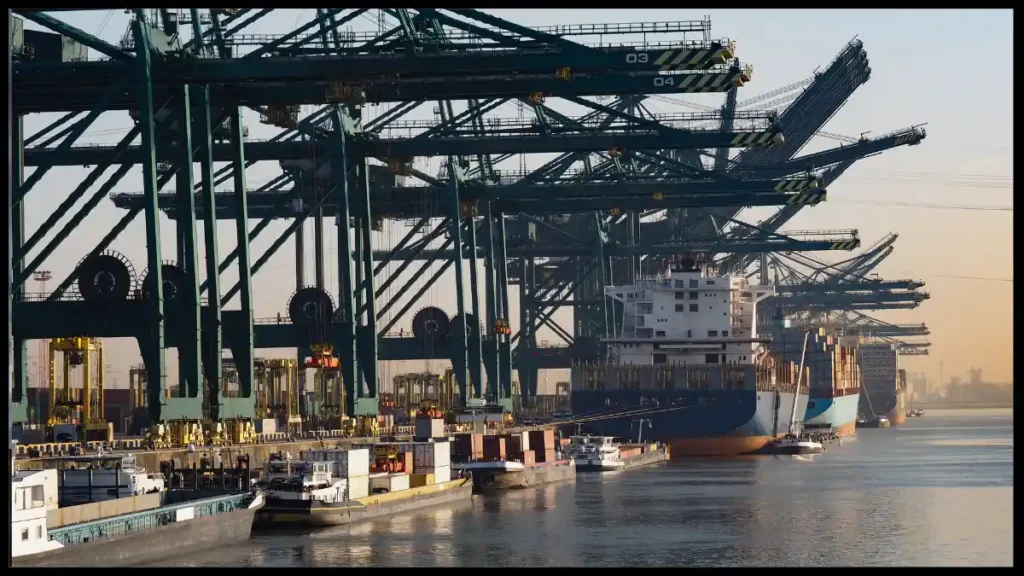
Belgium’s nationwide strike (Nov 24–26) has disrupted pilotage and traffic control on the North Sea coast, halting or severely restricting ship movements at Antwerp-Bruges and nearby gateways, while road, rail, and air transport are also curtailed. Vessel arrivals are being delayed or diverted, and inland waterways and logistics hubs face blockades. For stakeholders, the immediate hit is higher OPEX from waiting time, tug and berth cancellations, and diversion fuel, with demurrage and schedule knock-ons likely to spill into the coming days.
Click here for 30 second summary
Simple Summary in 30 Seconds
Belgium’s national strike (Nov 24–26) curtailed pilotage and vessel traffic services. Antwerp-Bruges and nearby gateways slowed or paused deep-sea moves, while barge, road and rail links ran unevenly. Ships queued offshore, some lifted anchors for diversion, and terminal yards cleared more slowly than normal.
🧭 Snapshot
Action windows limited pilot dispatch and coordination. Arrival/departure slots bunched, tug and berth windows were missed, and ETAs slid into later tides.
📍 Lanes & locations
Main pinch at Antwerp-Bruges with knock-on to Rotterdam/Amsterdam as carriers sought relief windows. Hinterland lag—barge rotations and rail paths—kept yard dwell elevated.
💸 Cost & schedules
Extra bunker burn for holding/deviation, tug/pilot cancellation fees, rising demurrage risk. Clearance comes in waves post-restart as pilots, tugs and berths unwind the queue.
Bottom line: Short, uneven recovery after services resume. Front-load NOR and documents, secure diversion options, and pre-stage barge/rail to cap demurrage and protect rotations.
Belgium National Strike: Port and Logistics Impact
Item
Summary
Business Mechanics
Bottom-Line Effect
Pilotage and traffic control
Pilot dispatch and coastal traffic control services were interrupted during the action window, restricting deep-sea arrivals and departures at Antwerp-Bruges and other gateways.
Without pilots, most large-vessel movements cannot proceed. Any partial resumption creates peaking as queued ships compete for slots.
📉 Idle time and missed windows increase; 📈 short-term rate firmness possible on lanes depending on cascading delays.
Vessel traffic and queues
Movements slowed or paused, with ships holding offshore and in anchorages until pilotage resumes and sequencing reopens.
Backlogs clear gradually. Expect bunching at pilot stations, tugs and berths, and extended port stays for first-in vessels.
📉 Extra fuel for deviation and holding; 📉 tug, pilot, berth cancellation fees; demurrage risk increases.
Inland waterways and barge
Industrial blockades and staffing gaps limit barge rotations and river/canal connectivity.
Slower quay clearance reduces terminal yard fluidity; containers and bulk wait longer for hinterland legs.
📉 Storage and detention creep; downstream receivers face schedule risk and higher working capital needs.
Terminal gates, road, rail
Port gates and intermodal links operate unevenly amid national transport disruptions.
Reduced gate throughput slows import pickups and export stacks; rail paths and trucking capacity tighten.
Large numbers of Belgium flights were canceled. Cross-border rail also disrupted. Logistics substitution options are limited during peak strike hours.
Mode-shift relief is constrained, keeping more cargo in the maritime queue until services normalize.
📉 Fewer alternatives raise the cost of contingency plans and delay recoveries.
Chartering and fixtures
Owners and charterers adjust ETAs or switch discharge ports to avoid prolonged waiting.
Deviation to nearby hubs (e.g., Rotterdam, Amsterdam) trades extra miles for time certainty.
📉 Higher bunker burn and port fees; 📈 potential to protect schedules and reduce demurrage exposure.
Contracts and claims
Strike clauses, laytime counting, and force majeure language come into focus.
Clear timestamped notices, NOR handling, and joint statements with terminals help mitigate disputes.
📉 Legal and admin workload rises; good documentation reduces claim leakage.
Outlook and clearance
Authorities targeted service restart by morning of Nov 26, while unions flagged this as the most disruptive day. Expect uneven recovery and spillover into the week’s end.
Pilot, tug, and berth resourcing will pace the clearance. Staggered windows and daylight priorities likely.
📈 Gradual normalization; 📉 residual delay costs and localized congestion persist after restart.
Notes: Impact refers to the Nov 24–26 national strike window and associated port service interruptions. Actual conditions vary by terminal, service, and time of call.
Detour leverage: early diversions to nearby hubs can protect schedules
Freight resilience: tight windows can add short-term rate support on select services
Queue priority: ready docs and pre-advice help secure first mover slots post-restart
Demurrage creep: waiting vessels risk laytime disputes without clean NOR records
Hinterland lag: barge/rail congestion slows quay clearance after pilots resume
Cost overrun: extra tugs, cancellations, and deviation fuel add OPEX
Diversion ladder (directional)
Relative relief potential if avoiding Antwerp-Bruges during peak disruption
Rotterdam
higher
Amsterdam
medium
Zeebrugge
select lanes
Bars are qualitative. Validate berth windows, draft limits, and cargo-specific constraints before diverting.
Owner playbook
Action
Bottom-line
Time-stamped notices & NOR handling
Align with agents and terminal ops desk
Cleaner claims and laytime protection
Pre-book alternative windows
Hold options at nearby hubs
Reduces demurrage and bunker waste
Barge/rail contingency
Stage empties and prioritize high-value lifts
Faster yard turn and schedule control
Note: Use your live port updates and agent guidance to refine these directional signals for your service and cargo mix.
Expect a short, uneven recovery once pilotage restarts, with backlogs clearing in waves and hinterland links lagging terminal readiness. Owners who front-load documents, secure diversion options, and coordinate barge and rail early will contain demurrage and protect schedules as the queue unwinds.