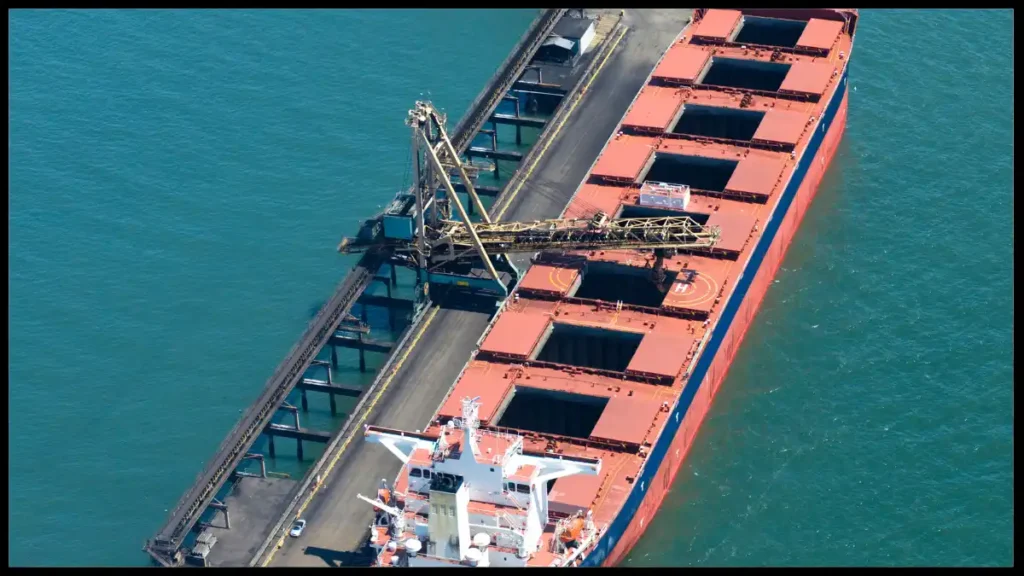
Coal cargoes into advanced economies are set to fall about 2% year over year in 2025 to a 23-year low, according to BIMCO. Weaker coking-coal demand from softer steel production and more power from renewables are the main brakes. This leans against Panamax and Capesize utilization, trims tonne-miles on some long-haul routes, and makes earnings more volatile unless other bulks fill the gap.
Click here for 30 second summary
Simple Summary in 30 Seconds
Coal shipments to advanced economies are on track for another annual decline and sit at a 23-year low. Softer steel output reduces coking coal demand and more renewables curb thermal coal imports. That removes dependable stems for Panamax and Capesize, trims tonne-miles on some long hauls, and makes earnings choppier unless other bulks step in.
📉 What happened
A fresh year of contraction in coal flows into advanced economies. Levels are the weakest in over two decades and reflect slower steel production and power mix shifts.
⚙️ Where it bites
Panamax and Capesize see lower utilization on coal stems, more ballast legs, and greater month to month rate swings as base cargo thins on key routes.
🔁 Offsets to watch
Grains, bauxite, alumina and South Atlantic iron ore can backfill part of the gap. Seasonal grain windows and weather in hydropower regions influence liftings.
📊 Market signal
More selective chartering and premiums for flexible laycans. Asset values for coal-heavy exposure face a headwind unless substitute cargoes stay firm.
📌 Bottom line: Coal’s step down removes steady employment for larger bulkers and raises volatility. Owners lean harder on substitute cargoes and tighter positioning to protect earnings.
Coal Shipments Slip to a 23-Year Low: Industry Impact
Point
Summary
Business Mechanics
Bottom-Line Effect
Scale of the drop
BIMCO flags a ~2% y/y decline in 2025 coal shipments into advanced economies, the lowest in 23 years. These flows are now ~29% of coal trade, down from ~77% two decades ago, and about 7% of total dry bulk cargoes.
Less transoceanic coal into mature markets trims base-load employment for Panamax and Capesize.
📉 Lower utilization on some lanes; 📈 more earnings volatility as base cargo thins.
What is driving it
Weaker steel output and more renewable generation reduce coking and thermal coal imports.
Global crude steel output fell ~5.9% y/y in October, with Jan–Oct down ~2.1% y/y across reporting countries.
Less steel means less coking-coal pull and weaker associated freight.
📉 Pressure on Capesize and larger Panamax coal stems.
Tonne-mile effects
Reduced import share in advanced economies lowers some long-haul voyages unless emerging markets offset.
Cargo mixing and routing adjust as buyers diversify fuels and suppliers.
📉 Tonne-miles at risk; 📈 repositioning costs rise during switches.
Offsets and substitutions
BIMCO sees grains, bauxite and some South Atlantic iron ore supporting demand in 2026–2027 even as coal weakens.
Fleet days can reallocate toward minor bulks and grains during northern harvest windows.
📈 Partial cushion for Panamax and Supramax; neutral for pure coal exposure.
Asset and charter signals
Thinner coal stems can weigh on secondhand values and increase charter selectivity.
Owners pivot to time-charter cover on non-coal trades; traders prize flexibility on laycans.
📉 Valuation headwind if offsets disappoint; 📈 premiums for flexible tonnage.
Notes: Market context and figures reflect BIMCO commentary current in late November 2025, with worldsteel’s October data providing the steel backdrop. Effects vary by lane mix, substitute cargo availability, and weather-driven power demand.
Demand pulse
📉 Trend
Multi-year low in coal liftings
🏭 Steel lens
Weaker crude steel output
⚡ Power mix
Renewables displace coal
🛳️ Segment hit
Panamax, Capesize
Utilization pressure on coal-heavy stems
Rate volatility risk
Substitution potential in other bulks
Bars are qualitative gauges to frame planning, not forecasts.
Route cues and seasonality
Lane
What to watch
Australia to East Asia
Lower coking coal pull when steel output softens. Monitor blast furnace run rates and port stock signals.
Indonesia to North Asia
Thermal coal liftings ebb when gas and renewables are competitive. Weather and hydropower matter.
Atlantic to Med/Europe
Utility demand drifts lower with renewables share. Watch seasonal cold snaps for short spikes.
Grains window supports Panamax in Q4–Q2Bauxite and alumina steady on long haulMore ballast legs when coal stems fadeThin base cargo increases idle pockets
Quick positives and negatives
Owners can pivot to grains and minor bulksLower congestion at coal terminalsCharterers value flexible laycansPressure on secondhand values for coal-focused tonnageHigher earnings variability by monthLonger repositioning to match seasonal flows
Exposure checker
Estimate ship-days released if coal stems drop and you rebalance to substitutes.
Estimated ship-days released per month: 8
Coal’s step down removes dependable stems for Panamax and Capesize and makes month to month earnings choppier. The lanes most exposed are Australia and Indonesia into North Asia and Atlantic into Europe. Substitution flows can offset part of the gap, but owners with coal heavy books will likely lean harder on grains, bauxite, and alumina while keeping a tighter handle on ballast planning and laycan flexibility.