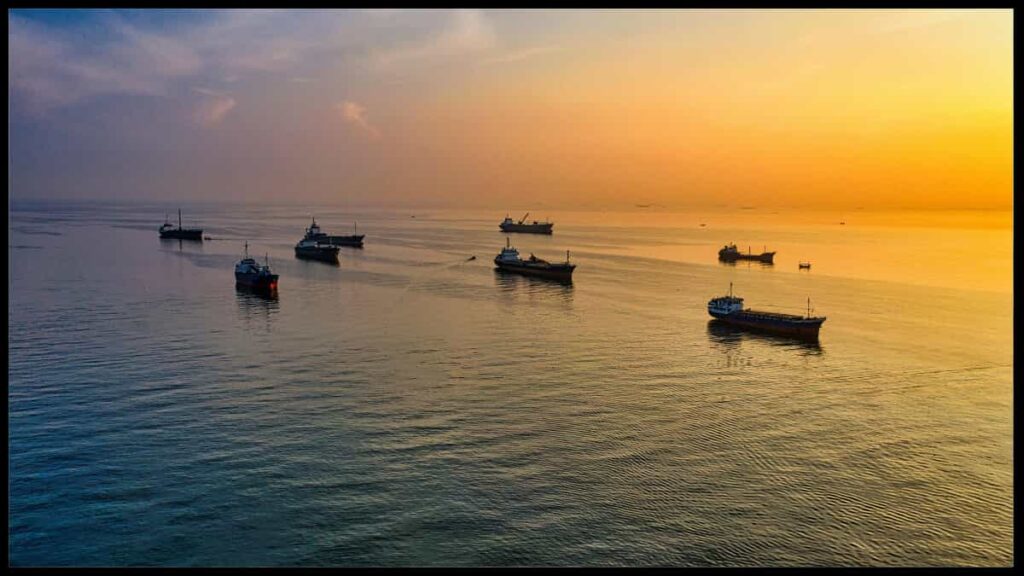
Iranian “oil on water” has surged to roughly 52 million barrels, the most since May 2023, with about half of those barrels parked off Malaysia. Tracker data links the jump to softer Chinese intake and tighter sanctions compliance, which slow discharge and lengthen voyages. For shipowners, more barrels idling offshore tie up hulls, effectively tightening supply and supporting spot earnings while the storage overhang lasts.
Click here for 30 second summary
Simple Summary in 30 Seconds
Iranian crude and condensate held offshore has climbed to a multi-year high (highest since 2023). A significant share is staged in Southeast Asia, with additional clusters near the Gulf. Slower discharge, tougher compliance checks, and price negotiations are keeping barrels at sea longer—tying up hulls and tightening effective tanker supply.
🚨 What happened
Floating Iranian barrels have built sharply, reflecting softer onshore intake and stricter enforcement. More ships are being used as temporary storage while trades clear documentation and financing hurdles.
📍 Where and flows
Staging areas concentrate off Malaysia and across Asian anchorages, with repositioning from Gulf load areas. Once buyers commit, short final legs free up, but until then, hulls remain occupied.
💰 P&L effect
Storage ties up ship-days and supports spot TCEs for VLCC/Suezmax. Counterweights: higher OPEX from KYC/insurance and the risk of a quick unwind if discharge windows open and barrels clear.
📌 Bottom line: While the offshore build persists, vetted fleets benefit from tighter effective supply and firmer earnings. Stay proactive on screening and routing to capture upside and avoid delays when discharge accelerates.
Iranian Oil Held at Sea: Industry Impact
Item
Summary
Business Mechanics
Bottom-Line Effect
Oil on water level
Around 52 million barrels of Iranian crude and condensate sit in floating storage, the highest since 2023.
Storage builds when discharge slows and liftings outpace intake; ships serve as temporary tanks.
📈 More ship-days tied up, effectively tightening tanker supply and supporting spot TCEs.
Where barrels are clustered
Roughly half of the barrels are staged near Malaysia, with additional volumes repositioned in Asia and the Gulf region.
Proximity to end buyers shortens later delivery legs once buyers commit; meantime hulls remain occupied.
📈 Useful staging for traders; 📉 capacity unavailable for other voyages until discharged.
What changed vs last month
Tracked volumes rose sharply month on month as discharge slowed while loadings remained firm.
Lag between load and discharge increases oil-on-water; more hulls remain on position lists as “busy.”
📈 Tightens effective supply of clean VLCC/Suezmax capacity on some lanes.
China intake and pricing
Independent refiners have eased purchases at times and pushed for wider discounts on Iranian grades.
Higher onshore stocks, quota frictions, and compliance checks slow intake; sellers widen diffs to clear barrels.
📉 Longer waiting and storage days; 📈 more support for tonne-days and spot returns.
Sanctions and compliance
Recent U.S. actions targeted Iran-linked trading and logistics networks; broader enforcement has tightened.
More KYC, banking checks, and insurance conditions raise admin time and risk premia for voyages touching sanctioned flows.
Storage and slow discharge consume ship-days and reduce immediately available lists.
Even without new cargo demand, longer cycle times raise effective tonne-day demand.
📈 Support for spot TCEs while storage persists; sensitivity if barrels discharge quickly.
Risk and insurance
Heightened screening of ship identities, cargo origin, and STS histories.
Some clubs and banks require additional attestations and voyage docs for higher-risk areas.
📉 More paperwork and time; 📈 clearer premium for transparent operators.
Outlook to watch
Key variables: Chinese buying pace, additional sanctions moves, and any quick drawdown of offshore stocks.
A fast discharge wave would free hulls and ease support; sustained storage keeps utilization buoyant.
📈 Rate resilience if storage stays elevated; 📉 normalization if barrels clear quickly.
Notes: Figures reflect shipping-tracker estimates current in late Q4. Effects vary by segment mix, routing, and risk profile.
Oil on water: ≈ 52m bbl (highest since 2023)
Staging: ~½ clustered off Malaysia
Market tone: storage ties up hulls and supports spot earnings
Effective tonnage tightness
Storage and slow discharge reduce available lists
LooseTight
Compliance friction
KYC, banking and insurance checks extend timelines
LowHigh
Rate support from storage
Depends on how long barrels remain offshore
LowStrong
📈 Positive
⚠️ Watch-outs
Utilization uplift: more ship-days tied to storage supports spot earnings
Vetted premium: compliant VLCC and Suezmax fleets gain negotiating leverage
Tonne-day support: longer cycle time even without new cargo demand
Sudden unwind risk: fast discharge wave releases hulls and eases rates
Higher OPEX: screening, attestations and war-risk add-ons lift voyage costs
Counterparty drag: tighter banking and insurance windows slow fixture execution
Current friction drivers (qualitative)
Enhanced KYC and banking checks
elevated
STS vetting and identity screening
high
Port health and security controls
moderate
Qualitative levels reflect current market practice and recent enforcement tone.
Owner playbook
Practical step
Bottom-line effect
Fixture sequencing
Front-load documentation and bank approvals before APS
Shorter cycle time and fewer slippages
Insurance posture
Pre-clear war-risk and sanctions clauses with brokers and club
Cleaner claims and smoother port calls
Routing choices
Avoid high-friction STS zones when alternatives exist
Lower hold times and admin cost
Comms discipline
Maintain continuous AIS and robust voyage logs per policy
Premium for transparency in charter talks
Note: Visual meters are directional and meant to help compare pressure points. Actual conditions vary by voyage, cargo, and counterparty.
Floating storage at multi-year highs keeps more hulls busy, which tightens effective supply and helps spot earnings. The trade-off is slower paperwork and higher voyage frictions. Owners that stay ahead on screening, insurance wording, and routing will capture the utilization upside while limiting delays when discharge windows open.