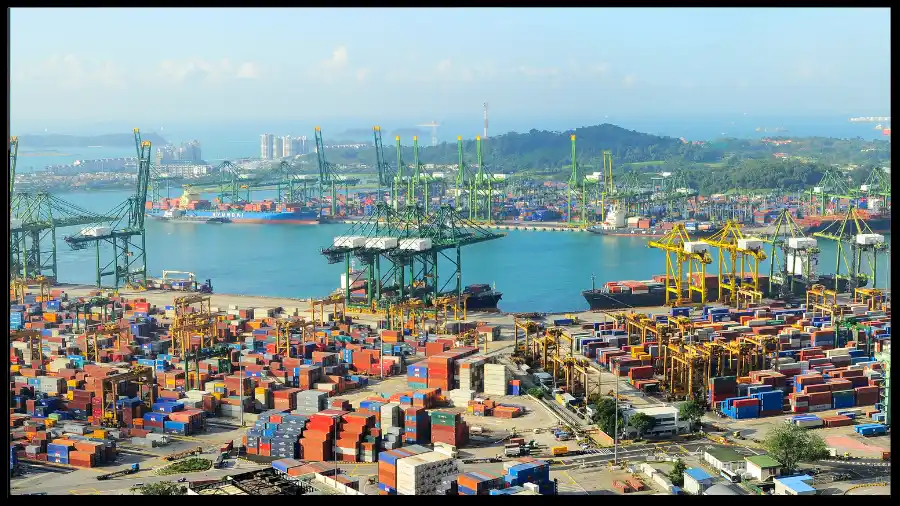
A growing number of owners are shifting away from Hong Kong registration and toward Singapore, citing policy and cost uncertainty tied to recent U.S.–China trade frictions and port-fee risks. Singapore’s registry has logged a fresh jump in tonnage in 2025, helped by high-profile reflagging (e.g., Seaspan moving about 100 ships) and a broader perception of smoother banking/insurance handling. For most operators, the change is administrative, not operational, but it can alter counterparty preferences, finance terms, and compliance workload on Asia trades.
Click here for 30 second summary
Simple Summary in 30 Seconds
Hong Kong’s ship register shrank while Singapore’s grew, as owners picked the flag that makes banking, insurance, and paperwork smoother on policy-sensitive routes. It doesn’t change how ships sail, but it can speed up documents and reduce last-minute hassles.
🚢 What changed
More ships moved from Hong Kong to Singapore registry. Counterparties increasingly prefer fast, predictable documentation.
💰 Cost & time effect
One-off reflag costs and brief downtime now; later, fewer admin delays and cleaner lender/insurer sign-offs.
🧭 Market signal
Owners are de-risking paperwork. It’s an incremental margin protector, not a freight market driver.
📋 What to track
Bank/insurer circulars, PSC trends, registry fees/service levels, and any policy shifts that change counterparty preferences.
📌 Bottom line: Reflagging to Singapore trims administrative friction for some trades. Gains are small but real; benefits compound across a fleet.
Hong Kong Registry Loses Ground as Singapore Gains
Story
Summary
Business Mechanics
Bottom-Line Effect
Owners re-flag from HK to SG
Trade-policy friction and fee uncertainty push some operators to Singapore for perceived stability and smoother approvals.
If fee/trade tensions ease, flows could stabilize; if not, SG gains more share at the margin.
Owners keep “optionality” by diversifying registries across fleets.
📈 Small structural tailwind for SG-flag cost of capital; HK impact hinges on policy clarity.
Notes: Table reflects current reporting on registry moves and market posture in late-2025. Effects vary by lender, insurer, and trade lane.
Flag Fit Matrix
Use case
Better fit under Singapore
Considerations under Hong Kong
Asia mainline trades with sensitive counterparties
Streamlined banking and insurer familiarity; quick endorsements; mature electronic workflows
Extra clarifications may be requested on selected corridors and pay channels
Refinancing or adding green-linked debt
Broad lender comfort and predictable compliance documentation
Possible additional KYC or attestations depending on lender policy
Fast fleet scaling or bulk reflagging
Capacity to process larger batches with standardized templates
Staged transfers feasible; timeline management is key
Matrix reflects process posture and counterpart expectations. Technical standards and crew remain unchanged unless owners choose otherwise.
Positive
Cleaner lender and insurer interfaceFewer last-minute document changesPerceived stability for sensitive lanes
Negative
One-off admin and survey costs to reflagTemporary downtime while certificates updateBenefit is incremental not transformational
Reflag Timeline at a Glance
1
Project plan
2
Mortgage and KYC updates
3
Class and survey sync
4
Certificate issuance
5
Banker and insurer endorsements
6
Charter party notifications
Steps compress or expand based on fleet size and port schedule. Many owners phase ships across dockings.
Counterparty Signals
Charterers
Prefer flags with quick document turnaround on policy-sensitive lanes.
Underwriters
Value clear registry governance and consistent endorsements.
Banks
Lean toward predictable legal frameworks and low exception processing.
Friction Meters
Area
Current posture
Bank KYC loop
Insurance endorsements
Port documentation edits
Bars indicate relative friction on sensitive routes. Owners report gradual improvement when counterparties standardize templates.
Registry moves are a practical response to paperwork and risk perception, not a change to how ships physically trade. The financial and scheduling gains tend to be small but tangible. If policy tensions cool, the migration pace may slow. If frictions persist, Singapore is likely to keep drawing tonnage at the margin.