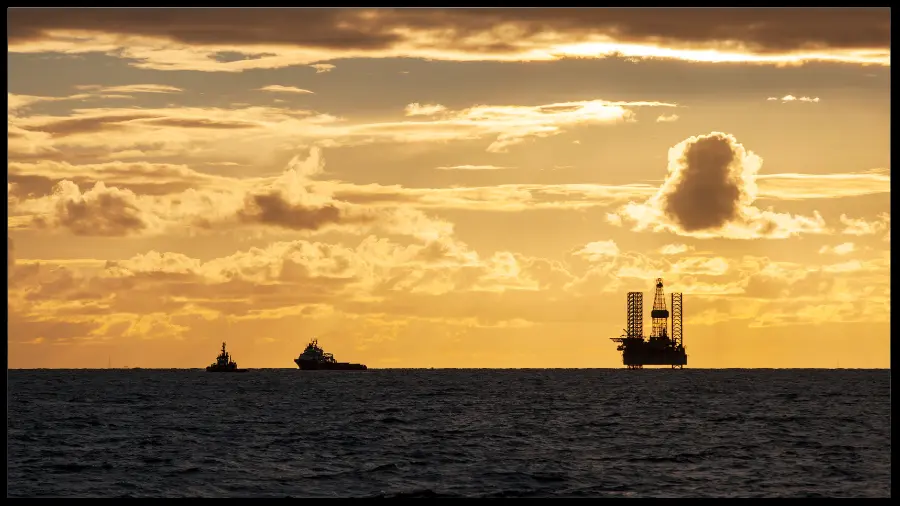
The U.S. Interior’s offshore regulator has advanced a second Gulf of Mexico lease sale, signaling more acreage and multi-year project visibility for operators. For maritime stakeholders, this extends the upstream cycle: drillship demand, subsea campaigns, and OSV utilization all get a stronger runway, while U.S. yards and suppliers see firmer order books. The exact cadence will depend on final sale terms, environmental stipulations, and follow-through to FIDs, but the direction of travel supports activity and day rates.
Click here for 30 second summary
Simple Summary in 30 Seconds
A second federal lease sale in the Gulf of Mexico opens more acreage for oil & gas. That usually turns into appraisal wells, subsea tiebacks, and platform work over the next few years. For maritime, it means steadier demand for rigs, OSVs, and construction vessels and more orders for Gulf coast yards and suppliers if projects advance.
🧭 What changed
BOEM is setting up another lease auction, adding potential blocks for exploration and development in the Gulf.
⚙️ Service impact
More scopes for drillships/semis, PSVs/AHTS, survey, ROV, and subsea installation. Scheduling visibility improves if bids convert to plans.
💵 Cost & timing
Activity typically ramps 12–36 months after awards. Strong take-up lifts day rates and utilization; delays or lawsuits slow the effect.
🗓️ What to track
Final sale notice, auction date, bid results, any litigation, and operator CAPEX guidance in 2026–2027.
📌 Bottom line: If this sale proceeds and bids turn into work, the Gulf should see firmer vessel day rates and fuller backlogs plus knock-on demand for subsea kit and yard time.
BOEM Sets Up a Second Gulf of Mexico Lease Sale
Item
Summary
Business Mechanics
Bottom-Line Effect
Sale milestone
Interior advances a second Gulf lease sale under the current program, moving blocks toward auction after public and agency review.
Proposed notice to final notice to auction. Stipulations and protected areas shape the final block map.
📈 Clearer project pipeline for operators and service companies. Planning visibility improves across fleets and yards.
Timeline to field work
Successful bidders typically shift from data work to appraisal and pre-FID operations before full development.
Seismic re-processing, appraisal wells, subsea concept studies, then tree and tieback scopes into host facilities.
📈 Near-term demand for survey and light construction vessels, with heavier spreads ramping as FIDs line up.
Floating rig demand
Deepwater appraisal and development sustain a call on 6th and 7th gen drillships in the U.S. Gulf.
Tighter high-spec supply plus longer firm terms in a visible cycle support pricing discipline.
📈 Firmer day rates for top-spec units. Utilization stays high as operators secure capacity earlier.
OSV and logistics load
More drilling and subsea days lift demand for PSVs, AHTS, MPSVs, and project cargo runs.
Extra sailings, longer charters, and premium pay for high-spec tonnage with the right deck and DP capabilities.
📈 Higher utilization and rate support for OSVs. Owners with compliant gear and manpower capture premiums.
Subsea and SURF scope
Tree orders, manifolds, umbilicals, and flexible lines trend up as tiebacks and new hubs move ahead.
Backlogs build at OEMs and installation contractors. Vessel campaigns scheduled in seasonal windows.
📈 Better pricing power and steadier backlogs for subsea contractors. Scheduling discipline becomes critical.
U.S. yards and suppliers
Refits, life-extensions, and equipment packages flow through Gulf shipyards and fab shops.
Dry-dock slots and skilled labor are key constraints. Early booking and framework agreements help.
📈 Healthier yard utilization and order intake. Potential lead-time and cost inflation if demand bunches.
Compliance footprint
Sale terms can include mitigation for habitat, emissions reporting, and spill planning updates.
Documentation, monitoring, and tooling requirements increase pre-mobilization effort.
📉 Higher non-productive prep costs. 📈 Lower regulatory risk for well-prepared operators and owners.
Risks to watch
Litigation, policy shifts, or low commodity prices can alter timing and scope of awarded blocks.
Hedging, staged FIDs, and flexible charter portfolios reduce exposure to timing slips.
⚖️ Keep commitments flexible and balance spot versus term to protect margins.
Notes: Exact sale designation, block count, and stipulations finalize at the time of BOEM’s Final Notice of Sale. Impacts vary by commodity prices, contractor availability, and each operator’s portfolio.
Lease Sale Roadmap
1) Final Notice
Blocks and stipulations published
2) Auction
Winning bids announced
3) Award
Leases executed and posted
4) Appraisal
Seismic, wells, concept select
5) Development
FIDs, subsea, tiebacks, hook-up
Positive snapshot
Longer visibility for rigs and OSVsSubsea backlogs buildU.S. yard utilization liftsBetter planning of crew and dry docks
Negative snapshot
Litigation or policy delaysCapex inflation for equipmentCrew and yard bottlenecksCommodity price sensitivity
Utilization Pulse
Segment
Signal
Drillships (6G–7G)
Early terming and options help secure units
OSVs (PSV, AHTS, MPSV)
Spec decks, DP, and crane capability price at a premium
Subsea install & tie-in
Campaigns bunch in weather windows and around host outages
Day-Rate Sensitivity Board
Oil price trend
Sustained strength supports longer terms and higher rates
Sale stipulations
Mitigation and seasonal limits can extend timelines
Crew availability
Tight labor markets add cost and scheduling risk
Yard capacity
Dry-dock and fab slots influence mobilization dates
FX and inflation
Input cost pressure feeds into bid pricing
Capacity Bottlenecks
High-spec OSV availability in peak months
Long-lead subsea hardware and vessel windows
Skilled electrical and welding labor at Gulf yards
Permitting queues for certain scopes and corridors
Compliance Quick List
Lease stipulations integrated in plansWildlife and seasonal restrictions mappedEmissions and fuel reporting alignedSpill response and training currentVendor documentation and audits ready
Owner Playbook
Secure capacity early
Options and framework charters reduce peak-season exposure
Stage maintenance
Plan dry-docks and class work ahead of campaign windows
Crew pipeline
Training and retention programs protect uptime and rates
A second Gulf lease sale points to a steadier upstream workload. If awards translate into timely appraisal and development, drillships, OSVs, and subsea spreads should see firmer utilization and pricing, with Gulf yards and suppliers busier through the planning cycle. Timing risks remain, but the overall read for maritime services is constructive.