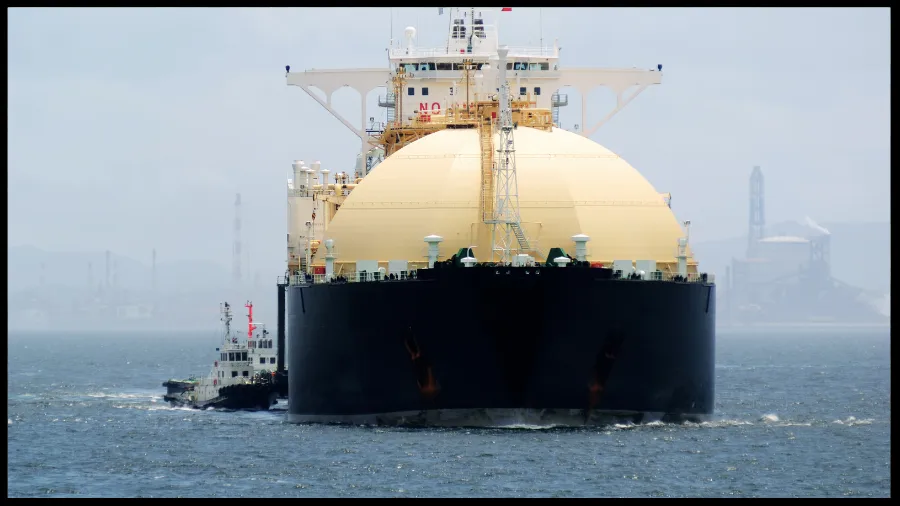
China is snapping up sanctioned Russian LNG at heavy discounts, ending months of commercial limbo for Arctic LNG 2 and re-wiring trade and compliance patterns. Since August, Novatek has moved 14 cargoes to China at roughly 30–40% below market, funneled largely through the Beihai terminal, even as new EU/UK measures tighten around Russian gas logistics into 2026–2027. For shipowners, that cocktail points to firm utilization for modern LNGCs, but higher KYC, insurance, and documentation friction.
Click here for 30 second summary
Simple Summary in 30 Seconds
China is taking discounted Russian LNG at roughly 30–40% below prevailing market levels, unlocking cargoes that had been constrained by policy and logistics. Cargoes are funneled through select Chinese terminals, with seasonal routing and ship-to-ship operations shaping timing. The trade supports employment for modern dual-fuel LNG carriers, while documentation, insurance and KYC requirements stay elevated.
🚨 What happened
Russian LNG volumes found a steady outlet in China at deep discounts, reviving flows and clearing stranded supply into firm liftings.
📍 Where and flows
Atlantic/Arctic origins into China. Summer Arctic windows shorten routes; winter relies more on Pacific STS and longer paths, adding vessel-days.
💰 P&L effect
Utilization support for efficient LNGCs; higher compliance and insurance workloads; legacy units face deeper discounts and fewer fixtures.
📌 P&L takeaway: Efficient, transparent fleets with solid screening and STS competence capture steady earnings; older or opaque tonnage sees tighter terms and higher friction costs.
Discounted Russian LNG To China: Trade, Risk, and Earnings Signals
Item
Summary
Business Mechanics
Bottom-Line Effect
Discount and cargo flow
Novatek has sold 14 Arctic LNG 2 cargoes to China since August at ~30–40% discounts, roughly $28–32m per cargo vs >$44m market value; Beihai has acted as a dedicated entry point.
Price cuts unlocked stranded output and created a reliable intake route; terminal access concentrated at one Chinese gateway simplifies offtake but concentrates operational risk.
📈 More liftings support LNGC days on hire; 📉 tighter margins on carriage for sellers offset by volume.
Routing and tonne-miles
2025’s summer-autumn Arctic window moved nearly 3 mmt toward Asia; winter ice now narrows the Northern Sea Route, increasing reliance on Pacific transshipment and seasonal detours.
Seasonal routing swings and STS handling add time and complexity; even with shorter NSR legs in season, off-season patterns and handling can lift effective vessel-days per delivered tonne.
📈 Utilization buoyed by handling and seasonal constraints; lane economics hinge on ice windows and STS efficiency.
Compliance and insurance
Reports of location masking and complex logistics keep underwriters cautious; UK will phase in a maritime-services ban on Russian LNG over 2026, tightening cover and services access.
War-risk, sanctions clauses, due diligence and attestations expand; clubs and banks raise documentation standards, slowing fixtures and disbursements.
📉 Higher KYC and premium load; owners with strong compliance frameworks face fewer hurdles and can command better terms.
EU policy overhang
The EU adopted a phased LNG import ban: short-term contracts end after 6 months; long-term imports cease by Jan 1, 2027, accelerating the pivot of Russian LNG toward Asia.
European gateways and re-exports diminish over time; more Pacific-facing flows reshape trade lanes and terminal scheduling.
Initial cargo priced $3–$4 below the Asian benchmark around $11/mmBtu, with later deals reflecting deeper percentage discounts.
Discounted feedstock supports Chinese buyers’ margin and encourages steady offtake despite policy noise.
📈 Voyage pipeline steadier for ships on these lanes; freight upside tempered if lower FOB values pull on hire assumptions.
Terminal concentration risk
Beihai’s role as a dedicated import point centralizes operations but creates a single-node chokepoint for inspections and policy shifts.
Queue spikes or policy changes at one terminal can ripple into laytime, demurrage, and coastal redistribution.
📉 Delay risk priced into fixtures; careful slotting and agent coordination needed.
Who benefits, who’s exposed
Modern LNGCs with efficient boil-off control and RELIQ tech are favored; operators with robust sanctions controls and documentation pipelines win cargo opportunities.
Opaque ownership, weak screening, or AIS policy violations risk refusals, delayed payments, or claims friction.
📈 Premium for transparent, efficient fleets; 📉 utilization risk for non-compliant or older units.
Notes: Based on reporting and public data. Trade patterns are seasonal and policy-sensitive; figures are directional and may update as contracts and sanctions evolve.
💡 Discounted cargoes pull more liftings into Asia
🧾 Compliance workload higher on KYC and attestations
🧭 Seasonal routing affects vessel days per tonne
🛢️ Modern DF LNGCs favored by buyers and lenders
Discount strength (directional)
Lower FOB values support steady offtake
LightHeavy
Supports consistent liftings into China
Can temper freight upside if hire assumptions track FOB
Tonne-mile and handling impact
Seasonal routing and STS operations add days
LowHigh
Off-season detours increase effective vessel-days
STS windows and ice constraints shape schedules
Compliance and insurance drag
KYC, documentation and cover add friction
LightHeavy
War-risk and endorsements may persist
Banks and clubs tighten document checks
📈 Positive
⚠️ Watch-outs
Modern DF LNGCs: steady days on hire from reliable offtake
Term cover: visibility for cash flows and financing
Asia pull: supportive tonne-miles on Atlantic to Pacific flows
Terminal cadence: predictable import windows improve planning
Documentation load: slower fixtures and disbursements
Concentration risk: single-node queues can trigger demurrage
Policy shifts: service restrictions can change with little notice
Legacy units: higher fuel use and boil-off penalties limit earnings
Owner playbook
Practical step
Bottom-line effect
Strengthen screening
Centralize KYC, bill of lading chains, attestations, and AIS policy
Cleaner approvals and fewer payment delays
Crew and ops prep
Brief STS procedures, seasonal routing, and terminal protocols
Lower incident probability and laytime disputes
Charter mix
Balance term cover with selective spot to keep upside
Stable utilization while retaining market option value
Fuel and tech edge
Deploy low boil-off DF ships on these lanes first
Better netbacks and lender confidence
Flow highlights
China intake rises on discounted cargo availability
Seasonal Arctic limits shift winter routing and timing
STS and terminal slots are key bottlenecks to watch
Rate and value lens
Utilization support for modern LNGCs remains firm
Legacy tonnage discounts deepen in documentation-heavy trades
Asset values hold better at the efficient end of the curve
Note: Indicators above are directional and reflect recent trading patterns. Always confirm terminal rules, cover requirements, and seasonal routing limits.
Discounted Russian LNG into China supports steady liftings and vessel employment. The trade comes with heavier paperwork and policy sensitivity, so owners with efficient dual-fuel ships and strong compliance routines will capture the best returns while keeping operational risk contained.