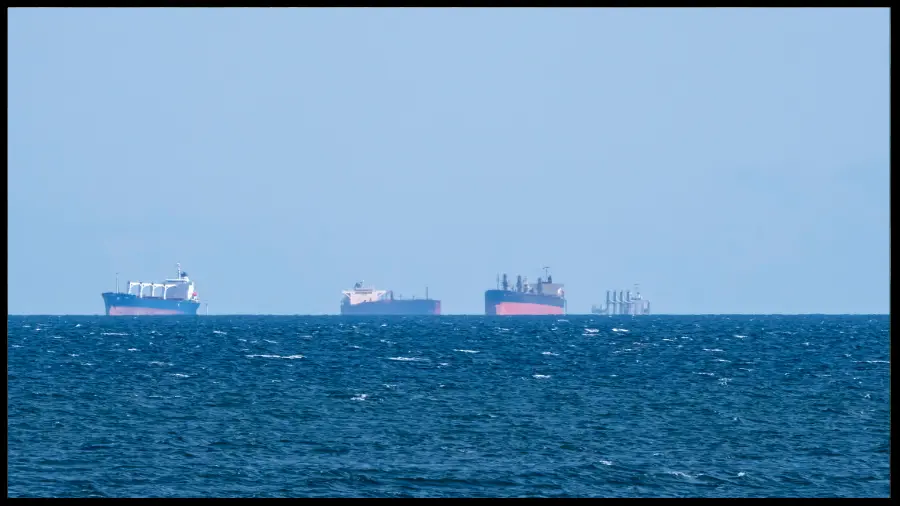
A strike on Nov 14 damaged key berths at Novorossiysk’s Sheskharis oil harbor. Exports resumed on Nov 16, but capacity is constrained and crude loadings are now running about 2–3 days behind schedule while repairs progress. Berths 1 and 1A were hit; sources say only 1A is currently working, which limits Suezmax throughput. The nearby CPC terminal briefly paused operations but has since restarted. Oil rose roughly 2% on the initial headline, then eased as loadings resumed.
Click here for 30 second summary
Simple Summary in 30 Seconds
Jetty damage at Novorossiysk is slowing crude loadings even after exports resumed. With one major berth constrained, schedules are running late, queues build faster and checks take longer. That removes ship-days from the prompt pool, tightens nearby supply and can lift spot volatility, while war-risk cover and terminal friction raise costs.
🚨 What happened
A strike damaged berths at the Sheskharis oil harbor. Loadings restarted but capacity is limited, leaving programs ~days behind normal cadence.
💰 Cost and time effect
Longer berth turns, more inspections and elevated war-risk premiums. Queues increase demurrage risk and add buffer days to voyage plans.
🧭 Market signal
Fewer prompt ships and staggered liftings can support spot on Black Sea–Med legs. A clean stretch eases the premium; repeat alerts keep it firm.
⚓ Berth status watch
One large-ship berth working while repairs progress. Full normalization depends on repair pace, weather windows and the absence of fresh incidents.
📌 Bottom line: Exports are moving, but slower jetties and higher cover keep friction in every voyage. Quick repairs cool the spike; setbacks keep prompt supply tight and rates choppy.
Novorossiysk loadings slip after jetty damage: Industry Impact
Item
Summary
Business Mechanics
Bottom-Line Effect
Current status
Crude loadings are running about 2–3 days behind schedule after the Nov 14 strike. Exports resumed Nov 16 and are clearing backlog with constraints.
Reduced jetty capacity slows berth turns and extends laytime. Scheduling requires re-sequencing of Suezmax calls.
📉 More time in port; 📈 tighter prompt lists and higher spot volatility on nearby routes.
Damage details
Berths 1 and 1A at Sheskharis were damaged; reporting indicates only 1A is operational at present.
Suezmax handling is constrained when one large-ship berth is offline, which trims hourly loading capacity.
📉 Throughput cap lifts queue risk and demurrage exposure.
CPC adjacency
CPC briefly suspended then resumed operations near Novorossiysk. Market remains alert for spillover.
Any CPC slowdown would ripple into Caspian export schedules and charter programs.
⚠️ If CPC hiccups recur, expect firmer prompt earnings and additional re-timing of liftings.
Price reaction
Oil gained about 2% on Nov 14 after the attack, then eased as loadings restarted.
Headline risk widens flat price and can firm prompt spreads when delays are multi-day.
📈 Event premium can support voyage returns while disruption persists.
Scale of affected flows
Sheskharis handles a large share of Novorossiysk crude. CPC at Yuzhnaya Ozereyevka is operating; Sheskharis remains the bottleneck.
Kpler estimates show Sheskharis carried roughly hundreds of thousands of barrels per day in recent months; reduced capacity slows that stream.
📉 Lower near-term export pace from the Sheskharis stream; 📈 supportive for prompt freight if delays persist.
On-the-water indications
LSEG data showed Suezmax Arlan and Aframax Rodos loading after restart.
Selective loadings resume while damaged berth limits cadence. Queue management becomes the lever.
War-risk posture remains elevated for approaches and calls in the area.
Premiums and security steps raise OPEX; documentation adds pre-fixture time.
📉 Higher cover costs per voyage; 📉 increased planning buffers.
Vessel class impact
Suezmaxes most sensitive to berth availability; Aframax flexibility helps, VLCCs mainly via STS logistics and cascading.
When large-ship berths are reduced, scheduling favors smaller parcels or staggered lifts.
📈 Relative support for Aframax and some Suezmax lanes; VLCC impact depends on regional STS options.
Notes: Reported 2–3 day delays due to jetty damage at Sheskharis and that only one large-ship berth is operational; initial suspension on Nov 14 and resumption on Nov 16 were also reported by trade media. Kpler outlined the share of flows handled by Sheskharis versus CPC. LSEG data showed specific tankers loading post-restart. Figures and operational status reflect reports.
Berth bottleneck snapshot
One large-ship berth is reported operational while repairs progress; schedules are clearing with constraints.
Queue pressure near term
Throughput versus normal
Insurance and cover posture
Time to full normalization
Bars are qualitative gauges based on current repair status, scheduling cadence and insurer stance.
Which lanes feel it most
Stream
Tension now
Black Sea crude to Med
Backlog and berth turns drive variability.
Black Sea clean products
Window slippage lifts demurrage risk.
Caspian exports via nearby terminal
Adjacency risk watched during alerts.
Regional STS zones
Closer scrutiny can extend operations.
Event premium can support spotSmaller parcels keep flows movingHigher cover and security costsRe-sequenced laycans and delays
Micro positives and negatives
Positives
Prompt lists can tighten when berth cadence slows.
Some Aframax/Suezmax routes see firmer terms.
Event premium supports near-dated voyages.
Negatives
Demurrage exposure rises with queues.
War-risk premiums and inspections add OPEX.
Schedule reliability weakens until repairs complete.
Delay cost micro-calculator
Estimate incremental voyage cost from schedule slippage.
Estimated incremental cost: $96,000
Repairs at Novorossiysk keep berth cadence below normal, and that is feeding short, sharp friction into Black Sea liftings. Loadings are clearing, but queues, inspections and elevated cover remain part of the picture. If works progress without fresh incidents, backlogs should thin and spot volatility should ease. If alerts return or weather slows repairs, prompt supply stays tight and rate swings persist on nearby routes.