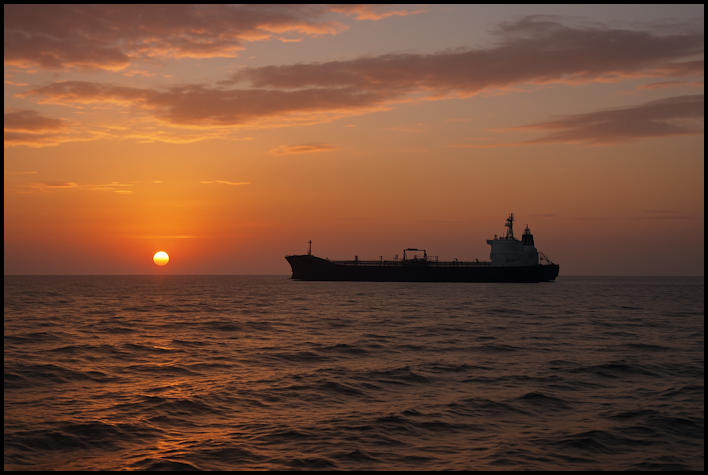
Russia’s flagship Urals price slid to multi-year lows as refiners in India and China stepped back ahead of a November 21 U.S. deadline to wind down dealings with Rosneft and Lukoil. The drop reflects tighter banking and insurance posture before the cutoff set in OFAC’s General License 126, with requests for extensions still unresolved. Traders report the Urals discount to Brent widening sharply, while some barrels drift into floating storage, tightening prompt tanker supply even as compliance costs rise.
Click here for 30 second summary
Simple Summary in 30 Seconds
Russian crude prices fell as banks, insurers and some refiners pulled back before new U.S. measures take effect. Discounts to Brent widened and a few cargoes slid into short-term floating storage. The shuffle can lengthen routes to alternative buyers, which supports tonne-miles, while higher compliance steps and slower approvals raise costs.
🧾 What changed
A looming U.S. deadline tightened compliance. Some buyers paused new deals and the Urals discount widened as risk increased.
💰 Cost and time effect
More documentation checks, tougher banking terms and P&I conditions. Some liftings roll to later windows, adding waiting time.
🧭 Market signal
Extra floating storage and re-routing remove ship-days from the prompt pool, which can support spot earnings on certain legs.
⏳ Near-term timeline
Pre-deadline: discounts wide, vetting heavy. Deadline week: some rescheduling and price re-sets. After: new trade patterns settle.
📌 Bottom line: Wider discounts and tighter compliance are reshaping flows. Routes may get longer and rates can firm, but owners face higher friction and slower paperwork.
Russian Oil Price Plunge Ahead of U.S. Sanctions: Industry Impact
Item
Summary
Business Mechanics
Bottom-Line Effect
Price slide and discount
Urals at Novorossiysk assessed near $36.6 per barrel on Nov 13, the weakest since early 2023, with a wider discount to Brent reported.
Buyers step back, widening differentials to clear risk. Payment and cover checks add friction before the deadline.
📈 Longer tonne-miles if barrels re-route to alternative buyers, 📉 countered by pause gaps while trades are vetted.
Sanctions timeline
OFAC General License 126 allows wind-down of Rosneft and Lukoil dealings through 12:01 a.m. EST Nov 21. A separate GL covers Lukoil retail stations outside Russia through the same date.
After wind-down, transactions become prohibited unless separately authorized. Banks and insurers tighten compliance now.
📉 Higher compliance and financing costs, 📉 risk of counterparty refusals, 📈 relative support for vetted fleets.
Buyer pullback
Indian refiners paused or scaled back new Russian crude orders for December while awaiting clarity. Some limited buys continue within rules.
Substitution with Middle East, U.S., and West African grades. Trade houses reassess flows and terms.
📈 Potentially longer voyages on replacement grades, 📉 short-term liftings volatility around month-end programs.
Floating storage and prompt supply
Sanctioned barrels are parking at sea more often, with a notable build on tankers since late summer.
Storage ties up tonnage and removes ship-days from the prompt list. A fast unwind would release vessels back into the market.
📈 Near-term support for Aframax and Suezmax earnings, 📉 risk of rate cooling if storage clears quickly.
Freight market segmentation
Shadow fleet continues to carry part of the trade while mainstream owners prioritize compliant routes.
More rigorous vetting, documentation attestations, and insurer conditions raise the bar for fixtures.
📈 Premiums for compliant tonnage on clean routes, 📉 utilization risk for vessels linked to opaque trades.
Refining economics
Cheaper Urals can be attractive if trade execution is clear, but banks and P&I restrictions limit access.
Crack spreads and product flows adjust as refiners weigh risk versus feedstock savings.
📈 Opportunity for vetted trades with discounts, 📉 cancellations or delays where approvals lag.
Extension and policy risk
Reports indicate requests to extend wind-down windows. Outcomes guide whether discounts persist or shrink.
If waivers extend, price gaps may narrow. If enforcement tightens, re-routing and storage persist.
📈 Tonne-mile support under strict enforcement, 📉 less disruption if extensions are granted.
Notes: Pricing based on Argus assessments cited by major outlets. Sanctions timing from OFAC General Licenses issued Oct 22, 2025. Buyer behavior reflects recent reporting on Indian and Chinese refiners and U.S. Treasury commentary. Effects vary by lane, fuel cost, and counterparty risk posture.
Market pulse and immediate signals
Differential to Brent
Wider discount
Compliance posture
Tighter checks
Buyer behavior
Select buyers step back
On-water storage
Building at the margin
Discount persistence risk
Documentation friction
Floating storage unwind risk
Prompt tonnage tightness
Bars are qualitative gauges based on price discounts, counterparty posture and tanker availability trends.
Reroute patterns that change tonne-miles
Shift
Likely effect
Russian crude diverted from regular buyers
Longer voyages to alternative outlets increase ship-days and support Aframax/Suezmax demand.
Replacement grades into Europe
More Middle East, U.S. and West Africa barrels lengthen inbound voyages and add variability to schedules.
Products reshuffle
Diesel and fuel oil trades re-sort, with extra documentation and banking steps adding time to voyages.
Temporary floating storage
Parked barrels tie up hulls; a quick release would add vessels back and soften rates.
Longer routes can lift earningsDiscounts create niche opportunitiesHigher vetting and cover costsDeal slippage near deadlines
Stakeholder lens
Owners and operators
Prompt supply tightens when ships sit in storage or re-route. Compliant fleets with clean documentation see better fixture traction.
Refiners
Discounted feedstock is attractive if execution is clear. If banking or cover stalls, replacement grades fill the gap.
Charterers
More pre-fixture checks and clauses. Buffers widen for delivery windows and laycans during the transition period.
Insurers and banks
Heightened due diligence and conditions precedent. Selective appetite favors transparent trades and vetted partners.
Timeline cues to watch
Pre-deadline Buyers trim exposure, discounts widen, storage builds at the margin.
Deadline week Compliance switches on, some liftings roll or re-price, paperwork friction peaks.
Post-deadline New trading patterns settle. Either discounts persist with longer routes or narrow if exemptions or alternatives emerge.
A deeper discount on Russian barrels, tighter bank and insurance posture, and sporadic storage are reshaping near-term flows. That mix removes ship-days from the prompt pool and lengthens some routes, which can support spot earnings even as compliance costs rise. If the policy shift beds in without carve-outs, the new routing patterns will harden. If exemptions or quick workarounds appear, the discount and the tonne-mile lift could fade just as fast.