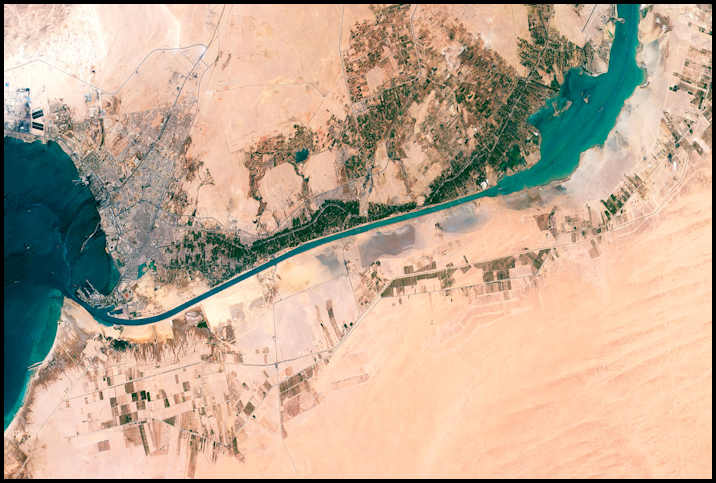
With security conditions improving, the Suez Canal Authority is encouraging carriers to restart Red Sea transits. A measured return would reduce Cape of Good Hope detours, shorten voyages by roughly one to two weeks on many Asia–Europe pairings, and stabilize schedules. Carriers will likely move in phases, pairing tighter risk controls with blank sailings to keep utilization from slipping as capacity swings back to Suez.
Click here for 30 second summary
Simple Summary in 30 Seconds
The Suez Canal Authority is encouraging carriers to return to Red Sea transits as security conditions improve. A phased reinstatement cuts voyage time and fuel burn compared with Cape detours and helps schedules recover. The benefit is strongest on Asia to Europe services, but rates could soften unless capacity is managed with blankings and speed plans. Risk procedures and extra cover are likely to ease only gradually.
🚨 What changed
Official encouragement for carriers to re-route via Suez. Lines are evaluating a staged return with security protocols and reporting.
📍 Where and flows
Asia to Europe and Med corridors gain the most. Suez-adjacent hubs regain transshipment and services that shifted during Cape detours.
💰 Time, fuel and rates
Returning via Suez saves about one to two weeks on many roundtrips and lowers bunkers. Capacity released back to mainlines can pressure spot rates without disciplined blankings.
📌 Bottom line: A careful return to Suez improves costs and reliability. Price direction depends on capacity discipline while risk and insurance protocols step down over time rather than all at once.
Suez Canal: Encouraged Return to Red Sea Transits: Industry Impact
Item
Summary
Business Mechanics
Bottom-Line Effect
Official signal
The canal authority is urging ocean carriers to resume Red Sea/Suez transits as security risks ease and traffic normalizes.
Lines weigh advisories against internal risk matrices before reassigning loops from the Cape back to Suez.
📈 Path to shorter voyages and steadier schedules; 📉 some risk premium likely persists near term.
Time and fuel delta
Returning via Suez trims many Asia–Europe journeys by roughly 9–14 sailing days versus Cape routings, with meaningful bunker savings.
Fewer sail days per roundtrip improve box turns and equipment cycles, easing working capital strain for shippers.
📈 Lower voyage OPEX and faster rotations; 📉 less time-charter uplift from extended Cape legs.
Capacity and rates
Capacity released back to mainlines can pressure spot rates unless blankings and speed management keep utilization firm.
Carriers fine-tune weekly removals, slow steaming, and port pair consolidation to defend load factors.
📉 Rate pressure if discipline fades; 📈 stability if supply is trimmed to bookings.
Insurance and risk posture
War-risk and extra cover may ease only gradually. Many operators keep daylight transits, reporting protocols, and escort coordination on tap.
BMP-style procedures, routing instructions captured in writing, and pre-agreed contingency plans remain standard.
📉 Some added admin and crewing cost continues; 📈 incident probability reduced with tight procedures.
Schedule reliability and ports
Shorter routing supports on-time arrivals, steadier berth windows, and better crane and yard planning at Med and North Europe hubs.
Cape waypoints and refueling stops lose volume; Suez-adjacent hubs regain transshipment, tug, and pilotage revenue.
Consistency of security conditions, convoy practices, any fresh incident reports, and weekly blanking cadence.
Rapid reinstatement can overshoot demand; a staged approach balances reliability with price defense.
📈 Balanced recovery supports margins; 📉 abrupt shifts can whipsaw rates and schedules.
Notes: This readout reflects mid-November conditions. Actual outcomes vary by lane, weekly capacity actions, and security guidance updates.
Time saved per roundtrip
Illustrative Asia to Europe, Suez vs Cape*
0 days~9 to 14 days saved
* Actual savings vary by service design, speed plan and ports.
Bunker cost relief potential
Indicative, depends on fuel prices and slow steaming
LowHigher
Fewer sailing days reduce total fuel burn
Speed policy still drives the final number
Schedule reliability boost
Shorter routing supports berth windows and box turns
LowHigher
Steadier arrivals improve crane planning
Equipment cycles normalize faster
📈 Positive signals
Shorter voyages reduce bunker spend and free up ships sooner
Ports near Suez regain transshipment, tug and pilotage revenue
Shippers get tighter lead times and lower inventory carry
📉 Negative signals
Capacity release can pressure spot rates without blankings
War risk and extra cover may ease slowly, admin costs linger
Cape service providers see less passing trade and fuel sales
Reinstatement phase
What happens
Bottom line
Pilot return
Select loops move first with tight security playbooks
Costs fall modestly, rates steady if blankings continue
Core reinstatement
Mainline services revert to Suez, speed plans adjust
OPEX down, rate pressure rises if supply outruns bookings
Full normalization
Schedules stabilize, Cape detours fade
Margins hinge on capacity discipline and demand recovery
Owner checklist, next 2 weeks
Confirm war risk endorsements and routing instructions in writing
Prioritize eco units on reinstated loops, cascade older ships wisely
Keep crews on daylight transit protocols and BMP style reporting
Carrier checklist, service side
Stage blankings and speed plans to defend utilization
Consolidate weak port pairs, protect berth windows at hubs
Monitor weekly booking curves and adjust capacity promptly
If carriers return to Suez in stages, voyage times and fuel burn improve and schedule reliability recovers. Rate direction then depends on capacity discipline. A steady blanking cadence and careful rotation choices can protect utilization, while owners that keep strong security procedures and deploy efficient ships will capture the best economics as the route normalizes.