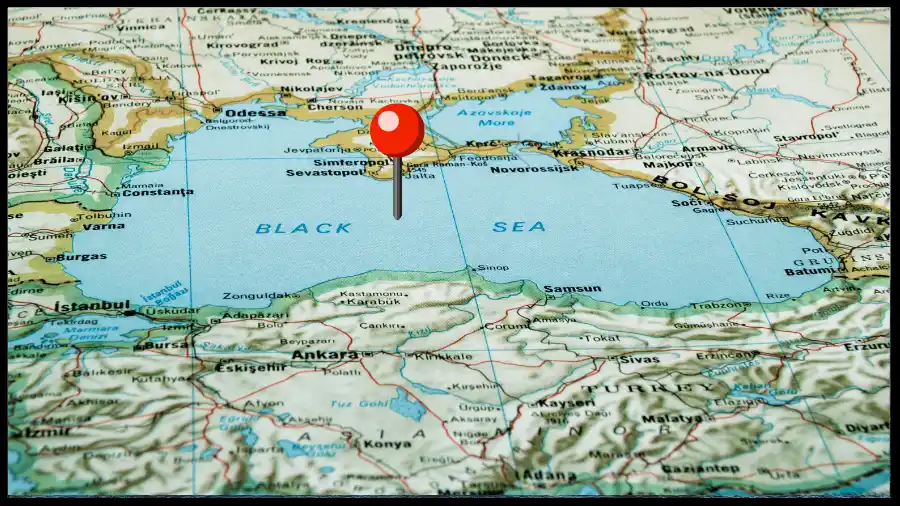
A major Ukrainian missile and drone attack hit Russia’s Novorossiysk oil hub on Nov 14, pausing exports and briefly disrupting nearby CPC flows. Oil prices jumped more than 2 percent intraday on the headline. Loadings restarted on Nov 16, but insurers and operators remain on a war-risk footing and terminals are working through checks, meaning higher costs and schedule friction even as shipments resume.
Click here for 30 second summary
Simple Summary in 30 Seconds
Strikes in the Black Sea paused exports at Novorossiysk and raised risk across nearby routes. Loadings have restarted, but terminals are slower, checks are tighter, and war-risk premiums remain elevated. Voyage plans now include extra time and some detours, which remove ship-days from the prompt pool and can support spot rates while costs rise.
🚨 What happened
A major attack disrupted Russia’s Black Sea hub. Exports paused, then resumed with inspections and safety measures still in place.
💰 Cost and time effect
Higher war-risk cover, security steps and slower terminal ops add days and raise OPEX. Demurrage risk increases if queues build.
🧭 Market signal
Effective tanker supply tightens as ships wait or re-route. That can lift spot earnings on affected legs even as costs climb.
🛡️ Spillover watch
Proximity to CPC and other assets keeps the region on alert. A clean stretch lowers premiums; renewed alerts reset the clock.
📌 Bottom line: Exports are moving again, but the risk premium and schedule friction remain. If incidents fade, costs ease. If they return, higher cover, delays and firmer spot rates stick around.
Novorossiysk strike resets Black Sea risk and costs
Item
Summary
Business Mechanics
Bottom-Line Effect
What changed
Nov 14 attack paused oil exports at Novorossiysk. By Nov 16, oil loadings restarted and CPC operations resumed after a brief suspension.
Two-day stop created near-term backlog and triggered safety checks. Restart does not remove elevated war-risk procedures.
📉 Operational delays and extra steps persist even after restart.
Scope of disruption
Temporary halt affected up to ~2.2 mbpd of exports, roughly 2% of global supply at risk while flows were paused.
Damage reports included oil berths and a tanker. Grain and box terminals continued operating.
📈 Event premium in crude and tighter prompt lists if inspections linger.
CPC adjacency watch
CPC terminal near Novorossiysk briefly suspended then resumed. Market remains alert to spillover risk.
Any CPC slowdown cascades into Caspian export schedules and charter programs.
⚠️ If CPC hiccups recur, expect firmer prompt earnings and more rescheduling.
Oil price reaction
Brent and WTI rose more than 2% intraday on Nov 14 before easing as restart signs emerged.
Headline risk widens flat price and can firm prompt spreads when delays are multi-day.
📈 Voyage returns supported on select crude and product legs if risk persists.
War-risk insurance
Black Sea approaches remain on London market Joint War Committee listed areas. Underwriters adjust slowly after events.
Quotes reflect ongoing threat. Conditions and routing clauses continue to add cost and time buffers.
📉 Higher opex from premiums and compliance steps on calls in the region.
Effective supply impact
Checks, diversions and security margins remove ship-days from the prompt pool.
Even short pauses tighten nearby availability and can lift demurrage risk at congested points.
📈 Supportive for spot on affected routes while risk premium lasts.
Wider pattern
Recent strikes and sea-drone activity also hit Tuapse, reinforcing a broader Black Sea threat picture.
Repeated alerts increase the probability of intermittent export or port slowdowns beyond a single hub.
📉 Planning needs larger buffers and contingency liftings.
Scenarios next
Base case is staged normalization with elevated checks. Upside risk is repeat attacks forcing fresh pauses.
Base case unwinds price spike slowly. Upside risk tightens prompt tonnage and raises cover costs again.
📈 Longer or repeated pauses favor owners on spot. 📉 Receivers face timing and cost volatility.
Notes: Intraday crude rose >2% on the headline. JWC Black Sea listing underpins sustained war-risk posture. Details may update as authorities and operators publish formal notices.
Risk pulse and immediate signals
Export posture
Restarted with checks
War-risk posture
Elevated premiums
Terminal tempo
Slower than normal
Voyage planning
Buffers added
Threat activity in vicinity
Underwriter caution
Probability of fresh detours
Time to full normalization
Bars are qualitative gauges based on recent events, insurer posture, and terminal recovery steps.
Flows most exposed
Stream
Why exposure is high
Black Sea crude liftings
War-risk pricing and safety checks add time; berth access can be staggered after alerts.
Clean products
Window slippage raises demurrage risk and tightens prompt ship lists on regional trades.
Caspian-linked exports
Adjacency risk means even short pauses can ripple into routing and schedules.
STS zones
Closer scrutiny and weather windows can extend operations and raise costs.
Event premium can support earningsLonger routes tighten effective supplyHigher cover and compliance costsIrregular terminal pace and queues
Scenario planner
Calm week
Backlog clears, premiums ease slowly, voyage buffers stay but shrink. Spot support fades on local legs.
Intermittent alerts
Rolling delays keep prompt lists tight; demurrage and spreads firm; schedules remain fragile.
Repeat strikes
Fresh pauses raise cover costs and extend detours; owners with vetted fleets capture stronger terms.
Voyage cost drivers now
War-risk additional premium on calls in and near the area.
Security measures and routing clauses that add miles or speed margins.
Terminal pace, inspections and document checks that extend time in port or STS.
Fuel burn from speed changes and repositioning to alternative windows.
Demurrage exposure when queues or checks overrun laytime.
Black Sea liftings are moving again but the risk premium is still embedded in every voyage. Terminals are clearing checks, insurers remain cautious and planners are keeping extra time in the schedule. If the next few days pass without incident, costs should edge lower. If alerts return, premiums, delays and selective detours will keep effective supply tight and spot earnings supported on the affected routes.