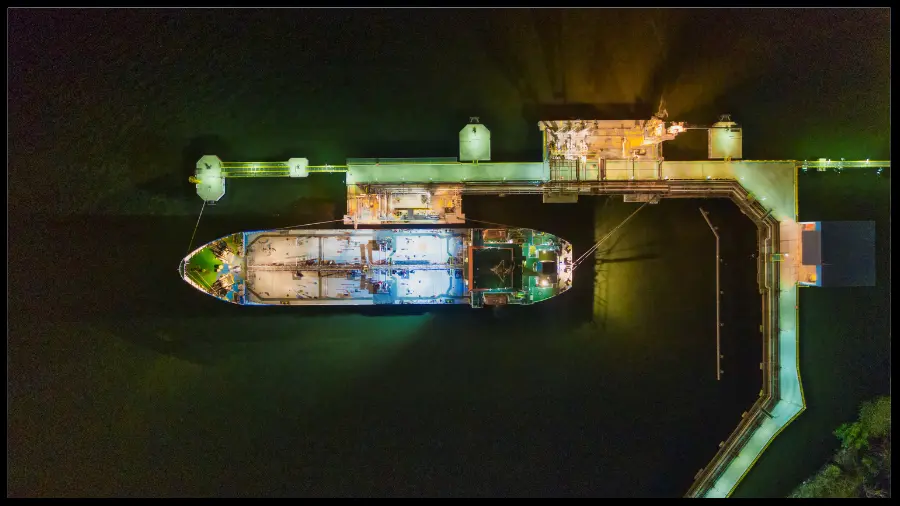
Vietnam’s Hai An Lines is moving up the size ladder with firm orders for two 3,000-TEU container ships at Jiangsu New Yangzi Shipbuilding, with market reports indicating options that could lift the series to four. The step up from sub-2,000-TEU feeders lowers unit slot costs, opens longer intra-Asia rotations, and signals growing confidence in Vietnam’s export corridors. Delivery slots for this size are typically from 2027 onward, aligning capacity with expected regional demand.
Click for 30-second summary
Simple Summary in 30 Seconds
Vietnam’s Hai An is moving up to larger, ~3,000-TEU class ships built at DSIC in China. Bigger ships can carry more boxes per voyage, lowering cost per container when the vessels are well filled and helping reach major hubs without extra relays. The trade-off is higher upfront cost and the need to keep utilization strong so the economics work.
🚢 What changed
A regional carrier is stepping beyond small feeders toward larger intra-Asia tonnage, aiming for longer loops and steadier weekly capacity.
💸 Cost & service effect
At high load factors, the cost per slot drops and schedules are easier to keep during export peaks. If loads are thin or ports are slow, unit costs rise and benefits shrink.
🔎 What to track
Delivery timing, target corridors (VN-CN, VN-JP/KR), slot fill rates, and whether rival orders add supply pressure in the same size class.
📌 Bottom line: Upsizing should cut per-box costs and widen network reach, so long as demand supports high utilization and port turns stay reliable.
Hai An orders larger Boxships at Jiangsu Shipbuilding: Industry Impact
Point
Summary
Business Mechanics
Bottom-Line Effect
Order headline
Two firm 3,000-TEU container ships booked in China with options reported toward a four-ship program.
Contracts at Jiangsu New Yangzi Shipbuilding. Portfolio updates show 3,000-TEU units delivering 2027–2029.
📈 Scales Hai An beyond Vietnam feeders and supports network expansion. Timing matches likely slot availability.
Size step and network
Move from sub-2,000-TEU feeders to 3,000-TEU class enables longer intra-Asia strings and hub calls.
Bigger parcels per call, potential Vietnam–China–Japan or Vietnam–SE Asia loops with better schedule density.
📈 Lower unit slot cost and stronger service competitiveness vs peers on similar corridors.
Cost per slot and opex
Economies of scale improve fuel and crew cost per slot compared with smaller feeders.
Newbuild efficiency, modern hull forms, and equipment upgrades reduce consumption and downtime.
📈 Margin uplift on busy lanes if utilization stays high. 📉 Under-utilization would erode the benefit.
Fuel and compliance
Trade press indicates scrubber-equipped designs in this order cohort; yard updates show compliant specs.
Scrubber fit can narrow fuel spread risk. EEXI/CII-aligned designs protect tradability on regulated routes.
📈 Compliance headroom and fuel flexibility support earnings resilience across cycles.
Financing and capex
Program implies multi-year capex with staged payments tied to milestones and delivery.
Mix of equity, debt, or export credit. Yard slots at YZJ carry delivery visibility but require upfront commitments.
📉 Near-term cash draw. 📈 If rates hold, ROIC improves as vessels enter core loops.
Market timing and risk
Deliveries from 2027 place capacity into a still-tight but moderating intra-Asia supply picture.
Cascading from megamax classes could pressure midsize rates depending on global demand.
📈 Right-sized growth if demand persists. 📉 Rate risk if supply outruns trade growth.
Competitive response
Rivals are also booking 2,900–3,100-TEU units at Chinese yards.
More modern ships enter the intra-Asia pool, raising the service baseline for customers.
📉 Charter rate pressure possible if too many deliver together. 📈 Strong operators gain share on reliability.
Notes: Order details drawn from company communications and reputable trade press. Exact delivery months and spec options are subject to final yard schedules and owner disclosures.
Scale Jump Snapshot
Network range
3,000 TEU enables longer intra-Asia strings and hub calls without constant relays.
Unit cost
Directional reduction vs smaller feeders when well utilized.
Service promise
More slots per call supports steadier weekly schedules and export peaks.
Positive signals
Lower slot cost at high fillBetter hub accessNew customer tiers
Negative signals
Capex and financing loadUnder-utilization riskCascading pressure later
Delivery Window Bands (directional)
Phase
Band
Earliest slots
First hulls trial new rotations and port pairs.
Main wave
Core services on Asia links take the bulk of capacity.
Late slots
Tail deliveries fine tune loops and cascading.
Utilization Sensitivity
High fill
Strong slot economics and stable weekly product.
Mid fill
Benefit narrows and relies on port efficiency.
Low fill
Unit cost rises and charter alternatives look attractive.
Corridor Fit
Vietnam to China
Dense trade and hub options support bigger calls.
Vietnam to Japan/Korea
Longer legs suit 3,000 TEU service speed and parcel size.
SE Asia loops
Feeder relief and fewer relays when peaks hit.
Financing Milestones
Contract signed and slot reserved
Steel cut and first progress payment
Keel lay and mid-program draw
Launch, harbor trials, balance due at delivery
Hai An’s step into the 3,000 TEU class points to a wider bet on Vietnam’s role in intra-Asia trade. The payoff depends on steady fill, reliable port turns, and the timing of rival deliveries. Owners watching the region will note the same equation: bigger ships can raise efficiency, but only if demand and schedules keep them busy.