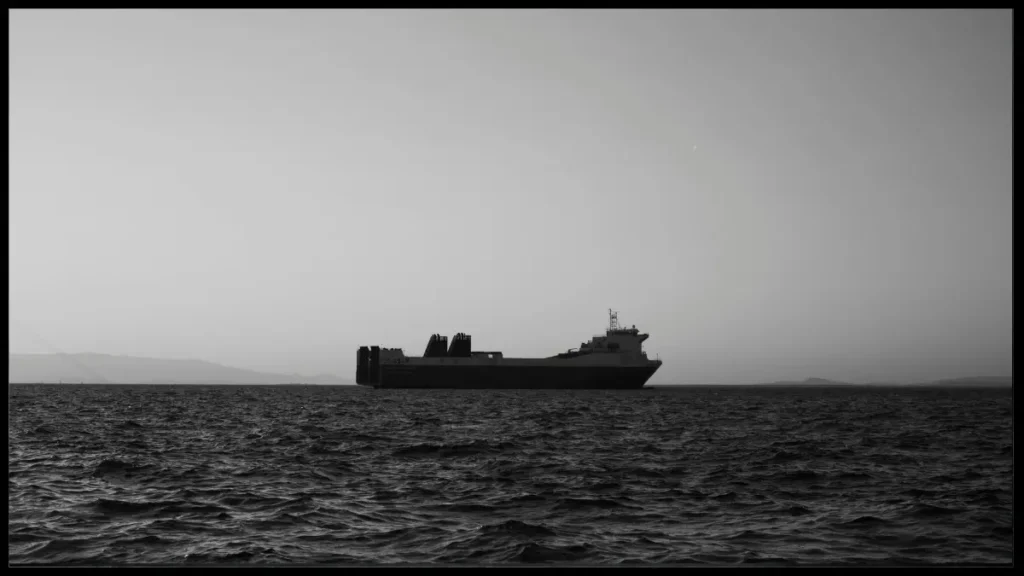
Yemen’s Houthi movement has signaled a halt to Red Sea attacks and said its declared blockade of Israeli ports has ended. Lines and insurers are not rushing back. Advisers urge caution, war-risk pricing remains elevated compared with pre-crisis levels, and the region is still listed by underwriters as a high-risk area. Suez incentives are in place to attract traffic, but the decision to use Suez or route via the Cape still comes down to insurance costs, schedule reliability, and bunker math.
Click here for 30 second summary
The Houthis say they’ve paused Red Sea attacks and lifted their stated blockade, but insurers and operators remain cautious. The corridor is still treated as high-risk, war-risk premiums have not returned to pre-crisis levels, and many services are only testing limited Suez transits while keeping Cape routings ready. One incident could reverse the improvement quickly.
🚨 What changed
A pause in attacks has lowered immediate threat levels. Advisory groups are not calling the all-clear; listed-area status and extra precautions remain.
💰 Cost & time effect
Suez saves days versus the Cape, but residual war-risk cover and security costs narrow the advantage. Cape adds fuel and hire but avoids canal dues and some risk.
🧭 Market signal
Carriers blend routes and keep schedule buffers. If calm holds, more services will shift back to Suez; if not, detours and premiums snap back.
🛡️ Insurance posture
Underwriters adjust slowly: selective easing, extra conditions, and continued monitoring. Meaningful premium relief needs weeks of incident-free transits.
📌 Bottom line: It’s a lull, not a finish. Owners weigh cheaper, faster Suez against persistent risk and insurance costs, keeping contingency plans in place until stability is proven.
Houthis Pause, But Routing And Insurance Risks Persist: Industry Impact
Item
Summary
Business Mechanics
Bottom-Line Effect
What changed
Houthis signaled they have stopped Red Sea attacks and said the blockade of Israeli ports is lifted. Industry voices advise caution on an immediate return.
Security temperature has eased, but threat statements and capability remain. Operators weigh any transit against risk tolerance and cover terms.
😐 Sentiment improves, but many schedules still avoid the corridor until stability proves durable.
Insurance status
War-risk premiums spiked mid year to about 0.7% to 1.0% of hull value on some Red Sea exposures and have not yet normalized to pre-crisis levels.
JWC high-risk listings remain in place. Underwriters may trim quotes slowly and require routing, watchkeeping and security conditions.
📉 Cover remains costly. Any premium relief is incremental, not immediate.
Suez incentives
Suez Canal offered 15% fee discounts for large boxships and reports a recent revenue lift as traffic improves with calmer conditions.
Lower canal dues partially offset war-risk and security outlays. Net benefit depends on ship size, route, and bunker prices.
📈 Discounts help restore Suez economics for some services, but risk pricing can still dominate.
Routing economics
Cape routings add time versus Suez. Studies and agency data show materially longer transits and higher fuel and hire exposure.
Asia–Europe diversions can add roughly 30% to 50% voyage time in some cases. LNG research notes about 21 extra days round trip to North Europe via the Cape.
📉 Extra days raise OPEX and tie up hulls. 📈 Effective supply tightens on long detours, which can support spot earnings elsewhere.
Container network impact
Lines keep blank sailings and schedule buffers while they test security signals and balance Suez against Cape choices.
Reliability trumps speed. Fee rebates and calmer conditions nudge some capacity back, but system resets take time.
😐 Yield upside limited until a sustained return. Cost control and rotation design drive margins.
Tanker and bulk effects
Risk premiums and detours alter TCE math. Some cargoes reroute, adding ton miles and shifting available lists.
Owners with vetted security protocols and flexible coverage can capture premiums on constrained legs.
📈 Potential earnings support where vetted tonnage is preferred. 📉 Added security costs cut into margins on low-rate voyages.
What to watch next
Any renewed strike claims or intercepts in the corridor. Insurer circulars, JWC area updates, and canal pricing notices.
One adverse incident can reset pricing and routing behavior quickly. Sustained calm and cheaper cover are needed for full re-entry.
⚠️ Fragile calm. A single event can erase cost gains and force fresh detours.
Notes: Status and pricing context as of Nov 12, 2025. Figures reference public reporting on Houthi announcements, industry advisories on cautious returns, Suez Canal discount circulars and revenue updates, and mid-2025 war-risk premium ranges. Effects vary by ship size, contract mix and fuel prices.
Risk pulse across the corridor
Qualitative gauges for planning context
War-risk pricing
elevated
Threat activity
residual risk
Transit confidence
improving
Meters reflect current tone: calmer messaging, listed-area status still in place, insurers easing slowly.
Route choice at a glance
Item
Suez
Cape
Voyage time
Shortest for Asia–Europe when open
+30% to +50% time on many loops
Cost stack
Canal dues + residual war-risk
More bunkers + hire, no canal dues
Schedule impact
Better schedule integrity if calm holds
Reliability via longer fixed transits
Revenue effect
Frees hull-days, more sailings
Ties up hulls, can tighten supply
Net choice depends on bunker prices, insurance quotes, service promises and customer tolerance for longer lead times.
Quick positives and pressures
Suez fee discounts improve economics for large boxshipsLonger Cape routes can support earnings on some tradesImproving confidence may reduce missed windowsWar-risk cover and security still add significant costA single incident can reset routing back to CapeOperational buffers reduce effective capacity on fixed loops
Who feels the pause right now
Container lines
Blend Suez and Cape rotations while monitoring cover costs. Keep blank sailings and slow steaming tools ready.
Independent boxship owners
Charter appetite improves only gradually; modern, fuel-efficient ships remain preferred on variable routing.
Crude and product tankers
Detours create ton-mile support, but margins hinge on how premiums and speed choices net out by voyage.
Insurers and banks
Maintain listed-area controls. Any rate relief is likely stepwise with verified calm and compliant routing.
Signals to watch next
Insurer circulars that lower or re-scope listed areas for the corridor.
Canal pricing notices and utilization data indicating sustained return traffic.
Confirmed incident-free transits over several weeks on mixed cargo types.
Charter clauses shifting from Cape default back to Suez first preference.
Bunker spreads that tilt the cost math toward one routing for key services.
The pause changes the tone but not the fundamentals. Most operators will trial limited Suez transits while keeping Cape plans ready. If weeks pass without incident and insurance moderates, traffic will lean back toward the canal. If risk flares, premiums and diversions return and the Red Sea remains a variable rather than a shortcut.