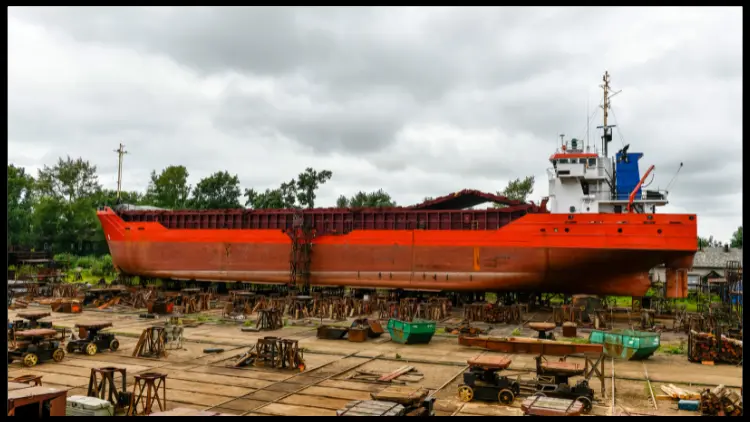
Cash buyer reports and market notes in November 2025 paint a rough picture for scrapyards. Steel plate values at key South Asian recycling hubs have slipped below 400 dollars per light displacement ton in India and Pakistan, with Bangladesh only just above that level. Inflation and weaker local currencies are squeezing yard margins, and many of the few ships offered for demolition are being withdrawn and kept trading instead. At the same time, sanctioned tonnage that cannot easily be recycled is piling up, while compliant yards push ahead with Hong Kong Convention upgrades. For stakeholders, that mix means a lower scrap floor, slower demolition and more older ships staying in the market for longer.
| Steel Prices Down, Ship Recycling Slows: Impact |
| Item |
Summary of what is happening |
Business mechanics |
Bottom line effect |
| Steel and scrap price slide |
November reports from cash buyers and brokers describe collapsing ship steel values, with recycled steel markets under pressure and scrapyards complaining of shrinking margins at the same time as inflation rises in key locations.
|
Yard offers for scrap vessels are benchmarked to steel plate prices and local currency strength. When both weaken, recyclers cut their bids to protect margin, which drags the dollar per LDT numbers offered to owners down.
|
📉 Lower residual values for end of life ships reduce immediate sale proceeds. 📉 Owners see a weaker pricing floor when they value older tonnage or negotiate finance.
|
| South Asia pricing below 400 dollars per LDT |
Latest GMS based summaries show India and Pakistan paying below 400 dollars per LDT for many ship types while Bangladesh manages only a modest premium above that level on weak local steel demand.
|
These levels are materially below peaks seen in earlier cycles and make it harder for owners of ageing tankers, bulkers and boxships to justify prompt demolition, especially when spot earnings are acceptable.
|
📉 Scrap sale receipts are smaller than many owners budgeted. 📈 Incentive to keep older vessels trading creeps higher if freight still covers opex and class costs.
|
| Slower recycling, quiet beaches |
Weekly market commentary talks about a subdued demolition scene, with October described as the weakest month in several for beachings and very few fresh sales concluded despite active marketing efforts.
|
Owners test the market, receive disappointing offers and often withdraw vessels to continue trading. Yards face underutilisation, but many cannot bid higher because steel buyers and banks will not support richer pricing in current conditions.
|
📉 Tonnage exit from the global fleet slows. 📉 Supply side relief for freight markets from demolition is smaller than it could have been.
|
| Inflation and weak currencies at yard hubs |
Cash buyer reports flag high consumer price inflation and currency devaluation across several recycling states. Local costs for labour, utilities and finance climb while yard revenue in local currency does not keep pace.
|
Recyclers try to shift the squeeze back up the chain through lower dollar bids for ships or by delaying purchases. The result is a bid ask gap between what owners want and what yards can justify.
|
📉 Wider disconnect between secondhand values and breaker bids. 📉 Longer negotiation timelines and more failed deals for owners seeking to scrap.
|
| Scrap floor for asset values |
The cash price per LDT acts as a practical floor for older ships in sale and purchase discussions and in bank security valuations. When that floor falls, it can drag down observed prices for older units in several segments.
|
Buyers of vintage tonnage use lower demolition numbers as leverage, while lenders reassess recovery values in downside cases. Owners with many older ships see more volatility in their balance sheet and borrowing capacity.
|
📉 Pressure on book values and potential covenant headroom. 📉 Harder to sell vintage ships at attractive levels unless earnings are very strong.
|
| Fleet supply and freight interaction |
At the same time as demolition slows, freight indices on some bulk segments have posted modest gains, reinforcing the case to keep even older hulls trading for another cycle instead of selling to yards now.
|
Fewer exits from the fleet mean more ships are available when demand cools. If trade growth falters in 2026, this stored up supply could soften charter rates and shorten any freight upturn that owners are currently enjoying.
|
📈 Short term upside from more earning days for vintage units. 📉 Longer term risk of oversupply and weaker market cycles if demolition remains muted.
|
| Sanctions and non recyclable tonnage |
Commentary from GMS highlights how sanctions and bans on certain ships and trades mean a growing group of vessels cannot easily be sent to normal recycling yards, leaving a larger share of removal pressure on the compliant fleet.
|
Legal owners that can deliver ships to recognised yards take on more of the demolition burden when economics justify it, while sanctioned or opaque units linger in the background and complicate estimates of true fleet size.
|
📉 More uncertainty around effective supply and competitive set. 📈 Compliance focused owners may enjoy stronger access to buyers, banks and blue chip charterers.
|
| Hong Kong Convention upgrades |
A shortage of ships to cut has given some Bangladesh and Pakistan yards breathing space to push ahead with Hong Kong Convention aligned upgrades, with several additional yards reported as newly approved or in the pipeline.
|
Over time, more compliant capacity in South Asia should improve options for owners under pressure from financiers and cargo interests to use certified facilities, but it does not fix short term pricing weakness.
|
📈 Better long run alignment between ESG demands and demolition options. 📉 Limited impact on near term scrap proceeds until steel demand and currencies improve.
|
| Outlook as 2026 approaches |
Analysts and cash buyers warn that if steel prices stay soft and inflation high, ship recycling will enter 2026 on weak footing, with few candidates, cautious yards and an uncertain link between freight cycles and scrapping.
|
Owners must decide whether to lock in low scrap now, hold and trade in the hope of better demolition pricing later, or invest in life extensions that assume several more profitable years of operation.
|
📉 Higher strategic risk around timing of exits. 📈 Potential upside for those who judge the market well on when to sell for scrap versus when to keep ships in service.
|
|
Notes: Levels and trends reflect public reporting and cash buyer commentary current to November 10–11, 2025. Exact LDT prices depend on vessel type, condition, location and yard appetite. Owners should always cross check live bids and local steel plate values before committing to a recycling decision.
|
Late 2025 scrap reports show a demolition market that is quiet but important. Steel plate prices in India and Pakistan have dropped below 400 dollars per light displacement ton, with Bangladesh only slightly above that range, and over 50 dollars per LDT has been wiped from plate values over the past few months. October was one of the weakest months in five for beachings, and recyclers across South Asia describe a shortage of candidates, soft local steel demand and pressure from inflation and currency moves. For shipowners this combination means lower scrap checks today, slower removal of older ships from the fleet and a more uncertain supply picture as 2026 approaches. Strong spot earnings can still make trading through the slump attractive, but the risk of oversupply later in the cycle grows if demolition does not pick up once steel and currency conditions stabilise.