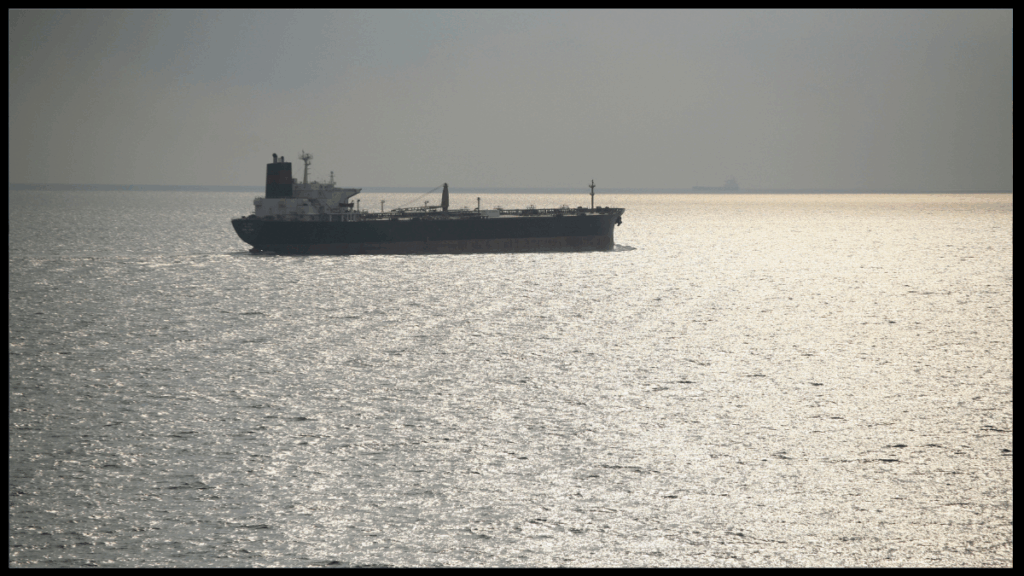
Authorities and data firms are spotlighting ship-to-ship transfers and location spoofing around Southeast Asia, including a sanctioned LNG carrier conducting an STS off Malaysia. Regulators have refreshed guidance on deceptive practices and Europe is weighing tougher inspection powers, while Indian refiners pause parts of their Russian crude intake pending clarity. For owners, that means slower vetting, higher insurance friction, and selective pricing power for transparent fleets.
Simple Summary in 30 Seconds
Authorities and counterparties are cracking down on ships that hide their location or use unclear ship-to-ship transfers in Southeast Asia.
That means more questions, more documents, and slower approvals. Fleets with clean tracking and clear paperwork get fixed faster. Opaque trips wait longer and pay more.
What changed
Closer checks on AIS gaps and STS chains around Malaysia and Singapore. Banks and insurers also raise the bar.
Cost & time impact
Extra vetting and endorsements add days and costs. Transparent fleets can win a small rate premium for reliability.
What to track
Regulator notices, insurer circulars, terminal document asks, Indian buying shifts, and STS hotspot activity.
Bottom line: Good compliance speeds fixtures and keeps voyages moving. Opaque trades face delays, higher insurance, and tougher payment routes.
AIS and STS Scrutiny in Southeast Asia: Industry Impact
Story
Summary
Business Mechanics
Bottom-Line Effect
STS and spoofing triggers
A sanctioned LNG carrier performed an STS off Malaysia, with analysts citing satellite evidence. Cases of location masking and opaque STS chains remain under watch.
More port-state questions at arrival, added terminal approvals, closer AIS track audits.
📉 Vetting delays and schedule slippage; 📈 relative premium for clean, well-documented fleets.
Regulatory stance
OFAC guidance flags deceptive practices like AIS manipulation and complex STS chains. EU officials explore stronger inspection tools aimed at shadow trades.
Banks and insurers tighten checks, traders add compliance reps, fixtures include stricter warranties.
📉 Higher compliance costs; 📈 better employability for owners with robust controls.
Chartering cadence
Risk-averse counterparties lengthen screening and prefer known tonnage with continuous AIS and clean histories.
Longer CP negotiations, more KYC riders, cargo-by-cargo vetting and extra attestations.
📉 Longer time to fix; 📈 possible TCE uplift for transparent ships when prompt lists tighten.
Insurance and payments
Underwriters and banks raise scrutiny where spoofing or sanctioned counterparties are suspected.
War-risk and sanctions endorsements, premium surcharges, slower letters of credit, occasional refusals.
📉 Voyage opex up and cash cycles slower for exposed trades; 📈 stability for low-risk portfolios.
Flows and origins
Indian refiners pause parts of Russian crude buying while options are reviewed; some buyers seek alternate barrels.
Re-routing toward US or Middle East sources changes voyage lengths and laycans.
📈 Tonne-mile support on longer alternatives; 📉 near-term disruption where liftings pause.
Terminal vetting
Some terminals expand document asks: AIS continuity records, STS logs, P&I letters, and sanctions attestations.
Pre-arrival packages grow, more pre-berth inspections, occasional denial of entry.
📉 Turnaround time at risk; 📈 smoother calls for owners who pre-package compliance data.
Operational cost
Extra steaming to approved STS zones and added guard or audit costs lift voyage expenditure.
Fuel, security, audit services, and potential idle days while papers clear.
📉 TCE compression if rates lag cost; 📈 pass-through possible where market is tight.
Signals to monitor
Any new blacklists, insurer circulars, or EU steps on inspections, plus pace of Indian buying shifts.
Live AIS anomalies maps, STS cluster growth near Malaysia and Singapore, payment channel changes.
📈 Rate support if capacity is tied up in compliance; ➖ neutral if trades normalize quickly.
Notes: Effects vary by charter terms, insurer stance, and buyer policies. Owners with continuous AIS, clean STS logs, and strong documentation see the least friction.
What changed
Authorities and counterparties are watching for deceptive moves like AIS gaps and complex ship-to-ship chains in Southeast Asia.
That means more questions at booking, thicker paperwork at pre-arrival, and extra checks by banks and insurers.
Clean, well-documented fleets move faster. Opaque trades slow down and pay more.
Positive signals
Priority for continuous AIS tracksPremium for verified STS logsBetter employability with simple payment chains
Negative signals
Detentions where tracks or partners are unclearPremium surcharges and slower LCsIdle days while approvals finalize
Where time gets lost
Before you fix
Longer screening by traders and charterers. Extra warranties in the contract. More back-and-forth on vessel history.
Before arrival
Bigger pre-arrival packs. AIS continuity reports. STS logs with counterpart IDs. Some terminals ask for more proofs.
At the berth
Spot checks, extra documents, or a short wait while approvals clear. If gaps persist, entry can be refused.
SE Asia scrutiny hotspots
Strait approaches
Attention on loitering and AIS gaps near busy anchorages.
Offshore STS areas
Clustered transfers trigger document requests and audits.
AIS continuity reportSTS logs with counterpart IDs and positionsP&I confirmations and endorsementsSanctions reps and warrantiesCargo origin and routing evidencePayment channel confirmation
Who benefits now
Owners with verifiable tracks and simple ownership structures
Fleets with clean STS history and known counterparties
Voyages on transparent routes where banks clear payments quickly
Who pays now
Trades with unclear AIS tracks or layered intermediaries
Voyages relying on informal STS chains or unknown partners
Deals that need complex banking routes or repeated endorsements
Quick glossary
AIS spoofing
Sending false or incomplete location signals to hide movements.
STS transfer
Cargo moved between ships at sea or at anchor. Requires clear logs and approvals.
Vetting
Checks by charterers, terminals, insurers, and banks to confirm compliance.
The clampdown changes who gets fixed first and on what terms. Fleets with uninterrupted AIS tracks, clean STS documentation, and straightforward payment chains move faster through vetting and can charge for reliability. Opaque trades see more idle time and higher all-in voyage costs, especially around busy Southeast Asian transfer zones.