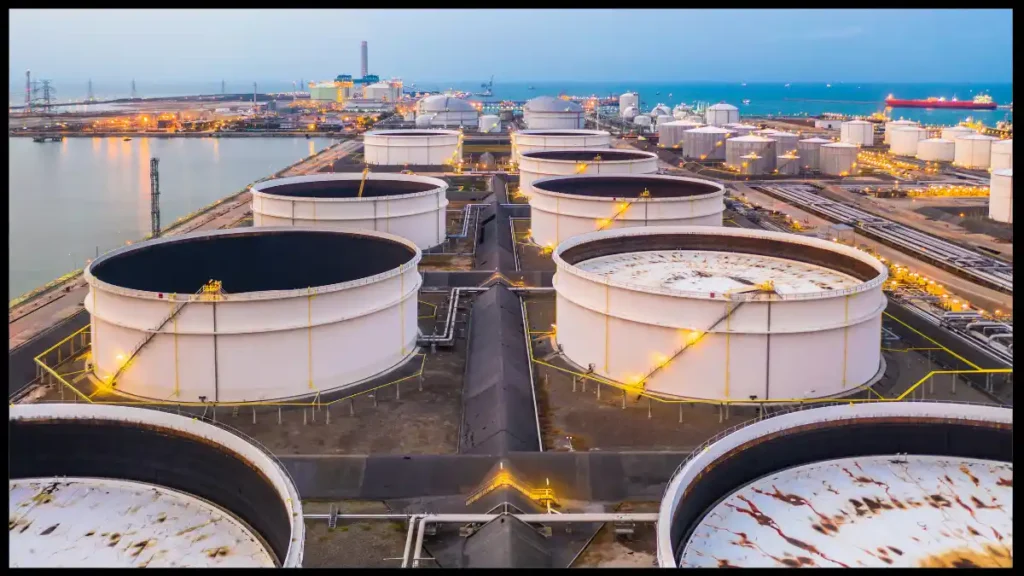
A Ukrainian long-range drone strike ignited fires at Russia’s Black Sea oil hub of Tuapse, damaging the loading terminal and at least two foreign vessels alongside. Authorities said the fires were contained, but the episode elevates war-risk pricing, slows port operations, and can force route or speed adjustments. That often tightens effective tanker supply and can support spot earnings, while owners on exposed voyages face higher insurance and delay costs.
Simple Summary in 30 Seconds
A strike hit Russia’s Tuapse oil hub on the Black Sea. Checks and repairs can slow loadings and raise risk costs.
Nearby Aframax and product trades get tighter and more expensive. If operations recover fast, the impact fades to higher insurance and paperwork.
What changed
Damage and fire at a key Black Sea oil port. Extra safety and security checks across the area.
Cost & time impact
War-risk premiums, inspections, and possible diversions add days and dollars. Prompt Aframax lists can tighten.
What to track
Port status updates, JWC listed area notes, insurance terms, origin swaps to Baltic or Med, and any repeated incidents.
Bottom line: Short term, risk and voyage costs rise. Compliant fleets can price that risk into freight. If repairs are swift, effects shrink to higher insurance and admin.
Tuapse Oil Terminal Strike: Industry Impact
Story
Summary
Business Mechanics
Bottom-Line Effect
Strike and immediate status
Long-range drones hit Tuapse’s oil terminal. Two foreign vessels alongside and terminal infrastructure were damaged. Fires were extinguished the same day. Extent of lasting damage under assessment.
Short operational slowdowns, checks, and partial stand-downs while authorities and terminal teams inspect berths and equipment.
📉 Delay risk on calls already planned; 📈 potential tightening of effective regional tanker supply if throughput slows.
Insurance and war-risk pricing
Security incident at a key oil gateway lifts perceived risk for nearby calls and transits.
War-risk additional premiums, security clauses, endorsements, and higher deductibles on some voyages.
📉 Higher voyage opex; 📈 owners with strong cover and vetted ops keep employability and rate leverage.
Routing and schedule stability
Masters and charterers weigh speed-through vs. wider sea room and alternative lay-by points while port status clarifies.
Speed margins and course offsets; extra guard coverage; possible short diversions to spread risk and avoid clusters.
📉 Longer passages and fuel; 📈 cycle-time lengthening can support spot if widespread.
Vetting and compliance intensity
Authorities and counterparties increase screening around AIS continuity, STS history, and recent port calls.
More document checks and terminal approvals; risk-averse charterers prefer transparent fleets.
📈 Employability premium for clean fleets; 📉 idle days for opaque trades facing added scrutiny.
Rate formation effects
Regional disruption can tighten prompt tonnage lists and add volatility to Black Sea and Med routes.
TCEs respond to longer cycles and risk premia; fixtures may price security costs into voyage calculations.
📈 Potential spot support on compliant tonnage; outcome hinges on the duration of terminal impacts.
Cargo flows and alternates
If loading slows at Tuapse, traders can reschedule liftings, swap origins, or shift windows at other Black Sea or Med terminals.
Re-allocation of barrels adds planning friction and can change voyage lengths and laycan timing.
📉 Disruption cost for affected stems; 📈 tonne-mile effects vary by substitute source and buyer.
Contracts and claims
Charter-party security, force majeure, and deviation language determines who carries time and cost during heightened alerts.
War-risk and deviation clauses invoked; laytime and demurrage outcomes hinge on notice formalities and port orders.
📉 Margin leakage where clauses are weak; 📈 protection where coverage is tight and notifications are timely.
What to watch next
Terminal repair timelines, any new restrictions, and whether insurers adjust zone definitions or premium bands.
Sustained outages would extend cycle times and keep premiums elevated; quick normalization limits rate impact.
📈 Upside if outages persist; ➖ neutral if operations normalize quickly.
Notes: This readout tracks near-term commercial effects. Actual impacts depend on repair duration, local authority directives, and insurance market responses.
Location
Tuapse, Black Sea coast, Krasnodar Krai
Facility type
Oil terminal and nearby refinery complex
Refinery capacity
~240,000 bpd processing capacity
Reported effects
Fire and damage to port infrastructure and at least one vessel
Product focus
Naphtha, fuel oil, VGO, high sulfur diesel; exports to Asia and Med
📈 Positive signals
Tighter prompt Aframax lists in regionRisk premia can lift spot on compliant tonnageClean fleets gain vetting preference
📉 Negative signals
War risk AP adds to voyage costDelay risk from inspections and port status checksOpaque trades face detentions and refusals
Segment Exposure Snapshot
Aframax crude
Primary Black Sea liftings use Aframax due to strait constraints
MR / product
Refinery product flows can see re timing or swaps
VLCC
Indirect impact via reallocation of export barrels
Bars show relative exposure, not exact volumes.
Risk and Insurance Signals
Listed area status
Black Sea waters are on the JWC Listed Areas roster
Policy cadence
War risk covers often bound in seven day periods in listed zones
Operational add ons
Security riders, endorsements, and routing clauses affect total voyage cost
Alternate Flow Options
Shift to other Black Sea load points
Re scheduling at regional terminals can reduce exposure but adds planning friction
Swap to Baltic or Med barrels
Origin changes alter voyage length and freight math for buyers and sellers
Timing shifts
Laycan moves and spread hedges used to manage slotting and exposure caps
The near-term math is simple. If terminal checks and repairs slow loadings, prompt Aframax supply tightens and compliant tonnage can price risk into fixtures. If operations normalize quickly, the effect fades to higher insurance and paperwork. Keep an eye on local circulars, JWC updates, and any sign that traders are swapping origins or pushing liftings to alternate terminals.