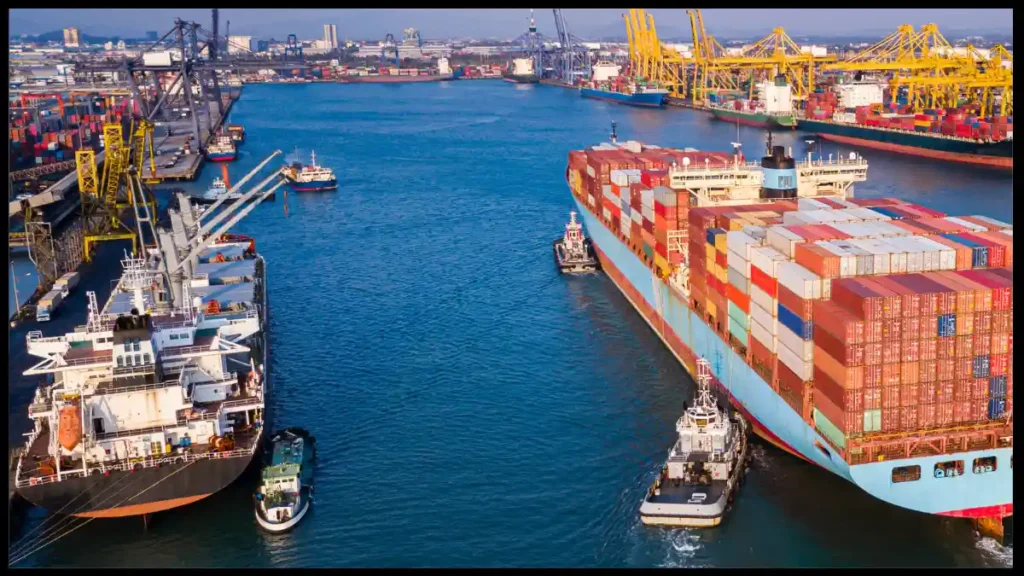
Port fees between the US and China are paused and some tariffs are trimmed, removing call costs and friction while talks cool tempers. India just pulled in major port and logistics investment, a signal for faster turns and steadier inland moves. Container spot rates are lifting off the floor, and Russia sanctions continue to reshuffle crude routes, adding tonne-miles for compliant fleets. On the supply and tech front, COSCO’s ordering run, NYK’s bulk consolidation, and a Kongsberg Maritime spin-off reshape future capacity, bargaining power, and retrofit options that owners will price into 2026 plans.
Top Developments Impacting Maritime P&L: 10/31/25
Story
Summary
Business Mechanics
Bottom-Line Effect
US–China pause port levies for one year
Both sides suspend new retaliatory port fees for 12 months, removing an extra layer of cost and call uncertainty.
Fee line items drop from pro formas; fewer last-minute rotation edits to avoid penalized gateways.
📈 Lower port cost risk and smoother scheduling; small margin boost where fees were not pass-through.
Tariffs trimmed after US–China meeting
Select tariff rates are reduced; signals of cooperation ease trade friction.
Lower landed costs on affected flows; potential volume lift on Asia–US lanes if follow-through holds.
📈 Demand tailwind for mainline carriers and boxship owners; impact varies by lane and cargo mix.
India locks in about $7B port and logistics spend
DP World and APM Terminals outline multi-year expansions across Indian ports and corridors.
New berths, cranes, and inland links; higher berth productivity and deeper feeder/mainline networks.
📈 Faster turns and better reliability for India trades; potential yield support on improved service.
Container spot rates rise for a third week
Drewry WCI lifts week over week and remains on an upward path after a long slide.
Blank sailings and GRIs steady the floor; seasonal demand and risk premia nudge quotes higher.
📈 Modest revenue lift for liners and tonnage providers; effect depends on corridor and contract mix.
Sanctions drive re-routing of Russian crude
Indian refiners pause some new orders; a tanker reverses course; a major producer moves to sell foreign assets.
Replacement barrels from US or Middle East alter voyage lengths and STS exposure; vetting tightens.
📈 Tonne-mile support for compliant fleets; 📉 opaque trades face detention and insurance friction.
COSCO unveils large multi-vessel newbuild plan
State group details orders across bulker and tanker types, refreshing fleet with domestic yards.
Capacity adds arrive from late decade; stronger yard utilization and spec leverage for the buyer.
📉 Future supply headwind in targeted segments; 📈 near-term yard slots tighten for rivals.
NYK merges three bulk units into one platform
Asahi Shipping, Hachiuma Steamship, and Mitsubishi Ore Transport integrate as NYK Bulkship Partners.
Larger managed fleet with unified chartering and ops; potential opex and finance efficiencies.
📈 Scale benefits for counterparties using NYK networks; competitive pressure on smaller operators.
Kongsberg to spin off Maritime unit
Group proposes listing Kongsberg Maritime while combining other units on the defense side.
Clearer capital access for marine automation, propulsion, and hybrid systems; vendor landscape shifts.
📈 Potentially faster innovation cycles for owners planning retrofits or specifying new tech.
Notes: Effects vary by trade lane, charter structure, and timing. Policy items depend on follow-through.
Reprice port calls reflecting fee pause; remove contingency surcharges where appropriate.
Lock bunker windows where route time normalizes; update BAF/GRI language on new contracts.
Audit sanctions screening and insurance terms; document STS and vetting procedures.
Map India corridors for faster turns; adjust rotations to exploit new berth capacity.
Plan 2027+ fleet exposure with new supply in mind; prioritize retrofits where tech lead times shorten.
The mix of policy relief, early rate firmness, and sanctions-driven routing is improving cash generation for compliant fleets and liner exposure right now. The forward risk is added supply later in the decade and how quickly new port capacity and tech upgrades translate into steadier turns and lower opex. Keep contracts current with fee changes, maintain strict compliance, and model 2027+ capacity effects into charter and capex decisions.