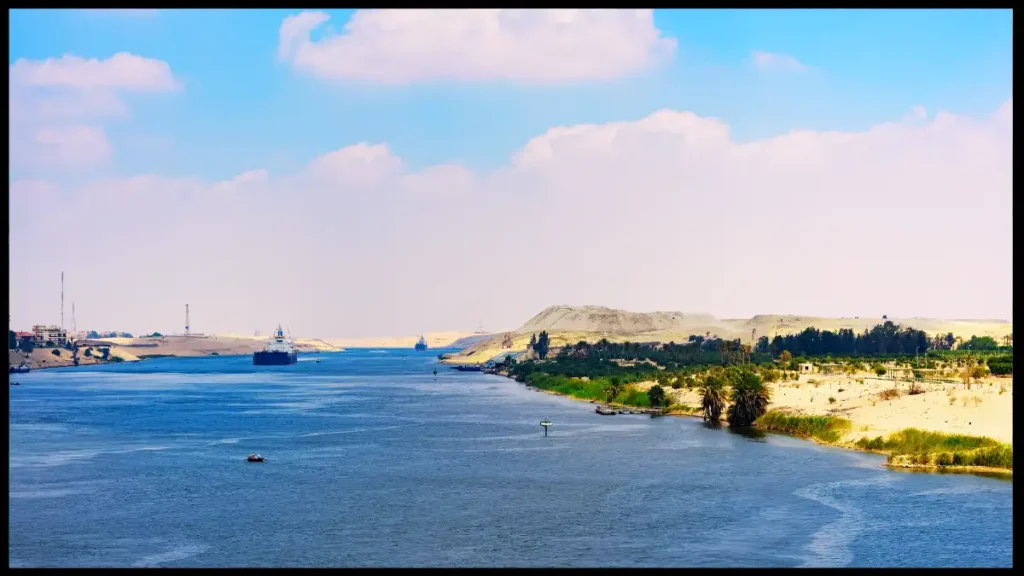
Some carriers are testing limited Red Sea transits while most east–west services still detour the Cape. If a wider return sticks, voyages shorten and fuel and time costs fall. If caution persists, longer hauls keep tonne-miles high and war-risk costs remain a swing factor. Route choices will show up directly in earnings, cash, and schedules.
Simple Summary in 30 Seconds
Some ships are testing a return through the Red Sea and Suez. If it stays safe, trips get shorter and cheaper, and schedules run smoother. If risk rises, ships go around Africa, which takes longer and costs more. This choice directly affects earnings.
What changed
Limited tests of Suez transits are back on the table.
Cost & time impact
Shorter route means less fuel and fewer days. Cape detours mean more fuel and more days.
Bottom line: Safe Suez use lowers voyage costs and frees capacity. Higher risk pushes ships to the Cape, lifting time and expenses but supporting rates. Price both paths and keep war-risk terms clear.
Red Sea Routing Cautiously Re-tested: Owner P&L Readout
Story
Summary
Business Mechanics
Bottom-Line Effect
Security posture and naval escorts
Naval task forces and EU convoys offer protection in Bab el-Mandeb and the southern Red Sea. Risk levels remain uneven and subject to flare-ups.
Escorted transits, routing advice, AIS practices, and insurer approvals determine if a ship can pass and at what premium.
📈 Possible return to shorter routes for approved hulls; 📉 residual disruption if security worsens.
Carrier stance on Suez vs Cape
Some trials of Red Sea passages have occurred, but most mainline services keep detouring the Cape until risk stabilizes.
Network design, alliance coordination, and slot commitments drive route choice. One line returning does not reset the whole trade.
📈 If many return, schedules normalize; 📉 if most avoid, longer cycles keep effective capacity tight.
Distance and days saved
On Shanghai–Rotterdam, Suez is roughly 8,500 nm and ~26 days at 16 kn. Cape is about 11,800 nm and ~36 days. Suez saves ~3,300 nm and ~10 days.
Shorter route cuts bunker, emissions, and crew time and releases capacity back to the market.
📉 Lower voyage OPEX on Suez; 📉 lower implied rates if capacity loosens; 📈 Cape detours support rates when they persist.
War-risk premiums (WRP)
WRP spiked in mid-2025 from ~0.3% to ~0.7% of hull value after renewed attacks, with quotes up to ~1% during spikes.
Premiums vary by flag, owner profile, escort status, and underwriter appetite; some underwriters pause cover at times.
📉 Higher insurance cost for Red Sea transits; 📈 savings if detours avoid WRP but add time and fuel.
Canal dues vs detour costs
Suez tolls are significant, but detours add extra fuel, days, and charter time. The cheapest option changes with bunker price and day rate.
Owners and charterers model dues + WRP + time vs Cape fuel + delay. Weather and congestion tilt the choice.
📈 Net savings on Suez when risk and WRP abate; 📉 higher costs if forced around Africa.
Segment impacts
Containers feel the biggest network effect. Product and crude tankers on AG–Med/Europe legs benefit most from Suez access. Bulkers are mixed.
Schedule reliability, equipment balance, and STS or lintel limits vary by trade. Cargo owners may pay surcharges during transitions.
📈 Normalization lifts schedule and box availability; 📉 volatility if routing flips back and forth.
Owner playbook
Keep dual routings priced, secure insurer pre-approvals, and maintain charter clauses that allocate WRP fairly.
Use weather and security routing, bunker windows, and optional ports to keep options open.
📈 Protects cash and reduces surprises as the trade toggles between Suez and Cape.
Notes: Impacts vary by ship type, flag, insurer, and specific leg.
Routing Signal Board
Security posture
Convoys and naval presence available; risk remains uneven and can change quickly.
Insurance stance
Underwriter approvals required; war-risk terms vary by flag, owner profile, and escort status.
Bunkers and time vs canal dues and war-risk premiums; queues and weather tilt the choice.
Route Choice Matrix
Condition
Bunkers low
Bunkers mid
Bunkers high
War-risk stable & insurer pre-cleared
Favor Suez
Favor Suez
Favor Suez
Risk elevated, escorts limited
Case-by-case
Case-by-case
Favor Cape
Threat spike / cover constrained
Favor Cape
Favor Cape
Favor Cape
Guidance only; owners should model their own fuel, time, dues, and insurance assumptions.
Near-Term Winners / Losers
Winners
Carriers with insurer pre-approvals and escort access.
Owners on time-charter where bunker risk is passed through.
Trades where shorter Suez legs restore schedule reliability.
Losers
Hulls lacking cover or failing risk checks.
Spot voyages priced on Suez that flip back to Cape.
Networks with tight equipment balance during toggles.
Cycle-Time Impact (Illustrative)
Suez
Cape
Relative illustration only; actual deltas depend on port pair, speed, weather, and queues.
Transit Readiness Checklist
War-risk and P&I confirmations in hand; trading warranties checked.
Convoy/escort slot reserved and contact protocols briefed.
AIS, reporting, and routing guidance documented for the bridge team.
Charter clauses allocate war-risk, diversions, and delays clearly.
Alternate rotation priced if conditions change after sailing.
Route choices are swinging between safety and speed. If approvals and escorts hold and risk stays contained, Suez restores shorter cycles and lowers fuel and time costs. If conditions worsen, the Cape keeps tonne-miles high and supports rates but adds days and expense. Keep both paths modeled, contracts clear on war-risk and diversions, and approvals ready so you can switch without losing margin.