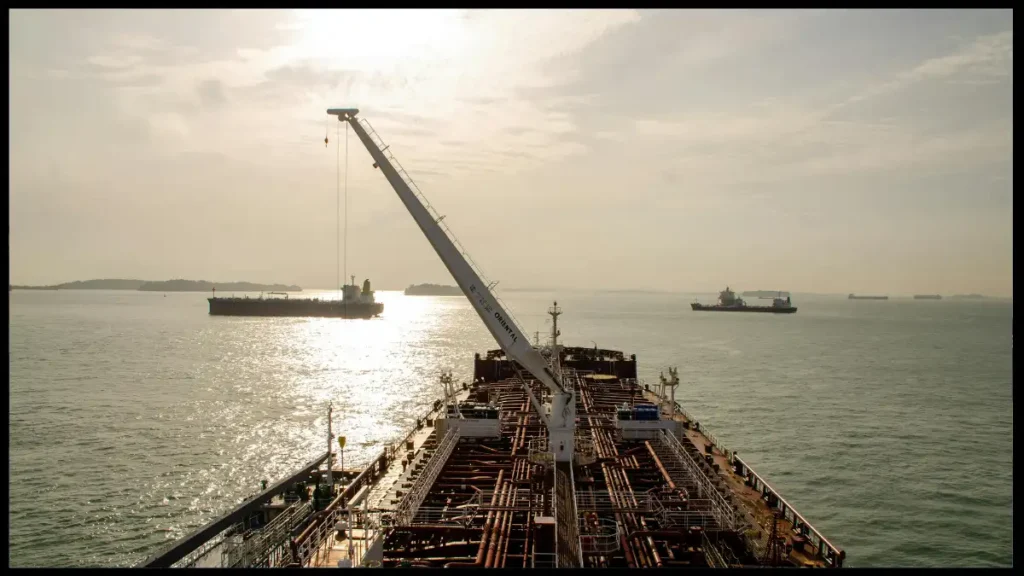
VLCC benchmarks have surged in October and year-to-date averages are running at multi-year highs. Trade lanes are lengthening as India reassesses Russian barrels, Middle East liftings stay firm, and vessel availability remains tight. The net effect for crude and product owners is stronger spot TCEs, healthier time-charter renewals, and firmer asset values, with Q4 seasonality still in play.
Tankers 2025: Owner P&L Readout
Story
Summary
Business Mechanics
Bottom-Line Effect
Market snapshot
VLCC spot benchmarks spiked in October and YTD averages are running at the strongest levels in years.
Tight prompt lists, longer voyages, seasonal Q4 pull; product trades also firm where refinery runs and arbitrage support.
📈 Higher TCEs flow straight to cash; 📈 stronger leverage on period renewals and loan covenants.
India procurement pivot
Refiners paused new Russian orders pending sanctions clarity while stating they will still buy compliant barrels.
More Middle East and Atlantic barrels into India; extra banking and insurance checks on fixtures.
📈 Added tonne-miles and utilization for crude owners; 📉 itinerary churn where deals are delayed.
Middle East liftings and TD3C
Stronger Gulf exports and tight tonnage pushed the MEG-China route to elevated Worldscale prints in October.
Rising liftings + longer hauls draw more VLCCs, keeping lists tight across basins.
📈 Spot support for VLCCs; 📈 knock-on firmness for Suezmax and Aframax positioning.
Fleet supply context
Net crude tanker growth remains modest versus trade volumes; many yards are busy with other segments.
Limited near-term deliveries; recycling muted as earnings stay strong.
📈 Supportive supply backdrop for rates through late 2025 and into 2026.
Asset values and S&P
Sales reports show firm secondhand pricing, including notable prints for older VLCCs.
Cash flows plus tight earnings risk premiums lift bids; two-tier market persists by age and compliance.
📈 Balance-sheet gains for sellers; 📉 higher entry costs for late buyers.
Period cover and financing
Charterers extend cover at firmer levels; banks view cash generation and asset marks favorably.
Improved DSCR metrics and refinancing options; selective appetite for eco tonnage.
📈 Better visibility on earnings; 📈 optionality for retrofit or dry-dock upgrades.
Bunkers and speed policy
Fuel costs fluctuate, but strong TCEs and pass-through clauses limit margin drag.
Owners balance speed and schedule to optimize net voyage returns.
📈 Margin protection where clauses are robust; 📉 exposure for weak bunker terms.
Risk monitor
Key watch items are sanctions enforcement, macro demand, OPEC+ policy and any routing disruption.
Compliance checks can slow fixtures; policy moves can swing tonne-miles quickly.
📉 Rate volatility if trade flows whipsaw; 📈 upside if long-haul routes persist.
Notes: Directional read based on late-October data.
Tanker Rate Pulse — Q4 Directional Heat
VLCC (TD3C)
elevated
Suezmax (WAF–UKC)
firm
Aframax (USG/Med)
supportive
Bars show relative strength vs recent multi-year norms; not a price quote.
India Sourcing Pivot — What Owners Need To Know
What changed
Refiners paused new Russian orders pending sanctions and banking clarity; compliant barrels still possible.
Near-term substitutes
Middle East gradesUS crudeWest Africa
Owner readout
Longer hauls into India support utilization.
Extra KYC, banking, and insurance checks on fixtures.
Short-term itinerary churn before flows stabilize.
TCE Sensitivity — Levers Owners Can Pull
Lever
How it moves TCE
Owner tip
Speed & arrival policy
Aligning ETA to berth avoids idle burn and trims voyage days.
Use weather-routing and RPM caps tied to confirmed windows.
Bunker pass-through
Shifts fuel volatility back to charterer where clauses allow.
Audit BAF/FSC language on all new fixtures.
Ballast optimization
Shorter repositioning legs raise net daily earnings.
Pre-agree alt load ports to cut empty miles.
Fixture Compliance Ladder
KYC on counterparties and cargo origin; confirm no listed entities.
Banking route validated; avoid sanctioned facilitators and vessels.
Insurance and P&I confirmations; trading warranties checked.
Record-keeping: AIS, BDNs, and bills retained for audits.
Period Cover Ladder — Scenario Bands
Spot-forward bias
Upside capture while maintaining prompt flexibility.
Blend-and-extend
Lock a strip of cover while keeping optional tonnage open.
Forward hedge
De-risk cash flows into early 2026 at today’s firmer base.
Seasonality & List Tightness
Q4 tailwind
Heating demand and refinery runs often lift liftings and support rates.
Prompt list signal
Tight MEG lists in recent weeks helped push TD3C assessments higher.
Owners are looking at a constructive Q4 setup led by VLCC strength and longer India-bound hauls, with compliance and banking checks adding a small drag to fixture speed. Keep coverage flexible into early 2026 while your clauses protect fuel and sanctions risk. The directional signals above are supported by recent Baltic Exchange assessments for TD3C and mainstream reporting on India’s procurement pause and rerouting toward Middle East and U.S. barrels.