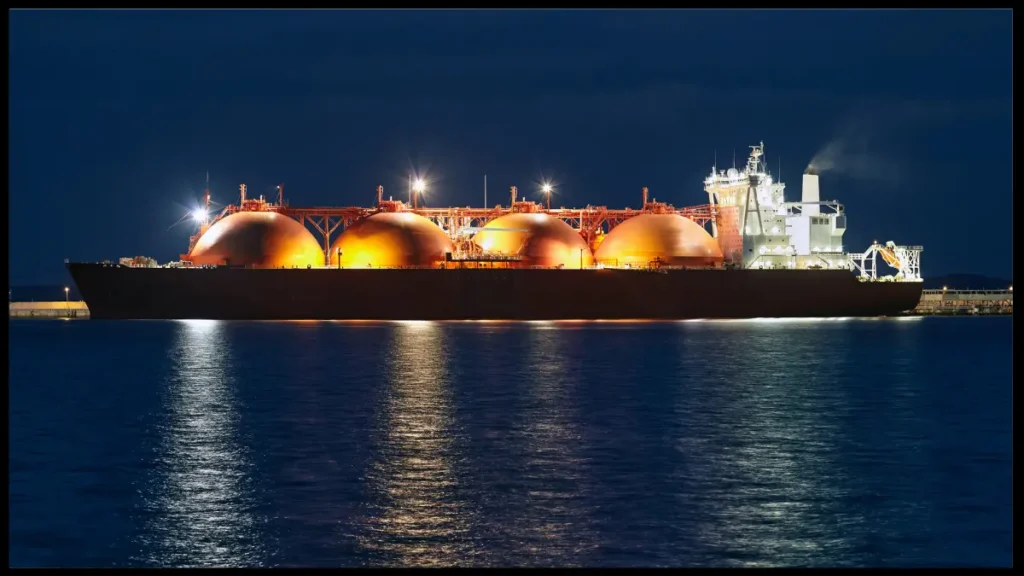
Tankers are closing 2025 with decade-high earnings, while India’s reassessment of Russian barrels is reshaping voyage patterns and rate volatility. A long-term LNG deal into India anchors future liftings, and new terminal moves at Panama and Jeddah aim to shorten port stays and improve reliability. Offshore momentum builds with a larger rig backlog, liners add capacity as HMM joins the million-TEU tier, and the first big S90 methanol retrofit signals a credible path to fuel flexibility. Net result for owners: strongest near-term tailwind in crude, selective upside in LNG and offshore, and a watchlist on capacity and capex that will set 2026 positioning.
Top Developments Impacting Maritime P&L: 10/29/25
Story
Summary
Business Mechanics
Bottom-Line Effect
Tanker earnings track strongest year since mid-2010s
Benchmark crude carriers are finishing 2025 with elevated averages, supported by dislocated trade flows and strong Atlantic-to-Asia pulls.
Tonne-miles up, longer hauls, limited net fleet growth vs demand. Owners capture higher TCEs on spot and extend time-charter cover at better levels.
📈 Direct revenue uplift for crude and product owners; 📈 firmer asset values and loan covenants; 📈 stronger cash for dry-dock and retrofit plans.
Indian refiners pause new Russian oil buys pending clarity
State refiners are reassessing new Russian cargoes after fresh sanctions. Some purchases continue, but near-term spot intake is tighter.
Lower Russia intake shifts sourcing to Atlantic Basin and Middle East grades, changing voyage lengths and load-port mix.
📈 Volatility in crude tanker employment and rates; 📉 short-term itinerary churn for owners positioned for Russia-India routes.
QatarEnergy signs 17-year LNG supply deal with India’s GSPC
A multi-year SPA locks in long-haul volumes into India, underpinning fleet employment from the late-2020s.
Term volumes support time-charter appetite, financing, and newbuild visibility for LNGC owners serving Qatar-to-India lanes.
📈 Better utilization and charter cover for LNG carriers; 📈 bankability of LNG tonnage improves on contracted flow.
Panama Canal kicks off process for new terminals on both oceans
Authority begins partner selection for port developments on Atlantic and Pacific sides, with final concession awards targeted in 2026.
More berth and yard capacity can reduce anchorage time, support transshipment, and improve schedule reliability for liners and car carriers.
📈 Lower port-stay risk and bunker control medium term; 📉 potential pressure on transshipment margins where capacity expands fastest.
CMA CGM plans $450m Jeddah terminal JV
A new investment boosts berth capability on the Red Sea corridor, designed to handle ultra-large ships with modern equipment.
Bigger cranes and yard upgrades lift move counts per hour and reduce waiting time, improving boxship turnarounds.
📈 Shorter port stays for chartered tonnage; 📉 congestion fees and schedule disruption risk on this lane.
Noble adds work, backlog sits near $7bn
Fresh rig awards keep offshore activity firm. A larger contracted book signals continued demand for support tonnage.
More drilling days pull in PSVs, AHTS, and subsea vessels, lifting utilization and day rates across offshore fleets.
📈 Higher revenue for OSV and construction owners; 📈 better pricing power on renewals.
HMM’s operated capacity tops ~1.0m TEU
The carrier enters the million-TEU tier. Capacity additions influence slot supply on key east-west and regional trades.
More owned and chartered slots can pressure freight yields if demand softens, and shape charter hire terms for third-party tonnage.
📉 Possible rate pressure on affected strings; 📈 steady demand for efficient mid-size boxships where networks need flexibility.
First large S90 two-stroke methanol retrofit completed
A mega-boxship completes conversion of a large-bore main engine to dual-fuel methanol, after testbed validation and sea trials.
Proves an upgrade path at scale. Opens the door to emissions-linked contract premiums once fuel supply is available.
📈 Optionality value for owners with suitable hulls; 📉 capex outlay near term before fuel economics mature.
Notes: Effects are directional and depend on charter terms, fuel spreads, and regional demand.
📈 Winners
📉 Losers
Crude and product tanker owners with modern eco ships: decade-high earnings, longer hauls, and tight supply support TCE and asset values.
Owners with clear bunker pass-through clauses: recover higher fuel costs while rates remain firm, protecting voyage margins.
LNG carrier owners and financing banks tied to Qatar-to-India flows: 17-year SPA underpins utilization and strengthens time-charter appetite.
Terminal developers and operators at Panama and Jeddah: added berth capacity and productivity improve turn times and reliability for customers.
OSV, AHTS, and subsea construction fleets: rig awards and a larger backlog lift utilization and day rates across active basins.
Owners with retrofit-ready hulls and OEM-backed methanol packages: proven S90 conversion pathway increases fuel optionality and future charter premium potential.
Charterers short on crude and product coverage: higher spot hires and tighter prompt availability raise delivered cost.
Russia-to-India focused liftings and opaque fleets: reassessment of Russian barrels adds vetting friction, diversions, and idle days.
Independent boxship lessors on lanes where mega-liners add own capacity: incremental carrier tonnage pressures charter renewals and hire levels.
Ports and transshipment hubs that lose share: Jeddah upgrade and future Panama capacity can shift volumes and erode local margins.
Offshore exposure tied to troubled EPCI counterparts: project delays and counterparty risk can defer scopes and cash receipts.
Owners without fuel pass-through or hedging: bunker moves and schedule recovery costs compress TCE until contracts adjust.
Tanker Earnings Heatstrip (Q4 signal)
VLCC
Suezmax
Aframax/LR2
Bars are directional, highlighting relative strength vs recent norms.
Crude Sourcing Pivot Watch (India)
What changed
Refiners pause new Russian orders pending clarity on sanctions and payments.
Likely substitutes
Middle East barrelsUS crudeWest Africa
Owner readout
More Atlantic-to-India and ME-to-India haul potential.
Higher vetting and banking diligence on fixtures.
Short-term itinerary churn before flows stabilize.
LNG Deal Timeline — Qatar to India
Item
Detail
Owner takeaway
Tenor
17 years, deliveries start 2026
Supports term TC appetite and financing
Route
Long-haul Gulf to India terminals
High utilization on established corridor
Fleet signal
Encourages LNGC availability 2026–2030+
Improves bankability of new tonnage
Terminal Capacity Moves — Impact Ladder
Jeddah Islamic Port (T4)
Planned 2.6M TEU facility
Panama Canal terminals
Consultation launched, partner selection ahead
Bars indicate expected timing and breadth of operational effect on port stays and schedule control.
Offshore Services Pulse
Rig backlog
~$7.0B
Latest reported contracted book
OSV read
Tendering supports higher utilization and rate resilience.
Box Supply Watch
Data point
Implication
HMM operated capacity > 1.0M TEU
Watch charter renewals on lanes where carriers add own tonnage.
Idle fleet remains very low
Limited slack can keep charter markets supported for efficient midsize ships.
Retrofit Reality — Large S90 Methanol Conversion
Sea trials confirm a large-bore two-stroke conversion on a 20k+ TEU boxship.
Commercial value depends on green methanol access and charter terms.
Signals a viable path where hull, fuel logistics, and yard windows align.
The strongest near-term lift still sits with crude and products, supported by longer hauls and busy fixtures. Procurement shifts in India are adding routing friction that can tighten prompt tonnage. The LNG SPA hardens multi-year employment on a key corridor, while terminal projects at Jeddah and Panama shape 2026–2028 reliability and port stays. Offshore remains constructive on backlog, and large-engine methanol retrofits now have a real world proof point for future charter value.