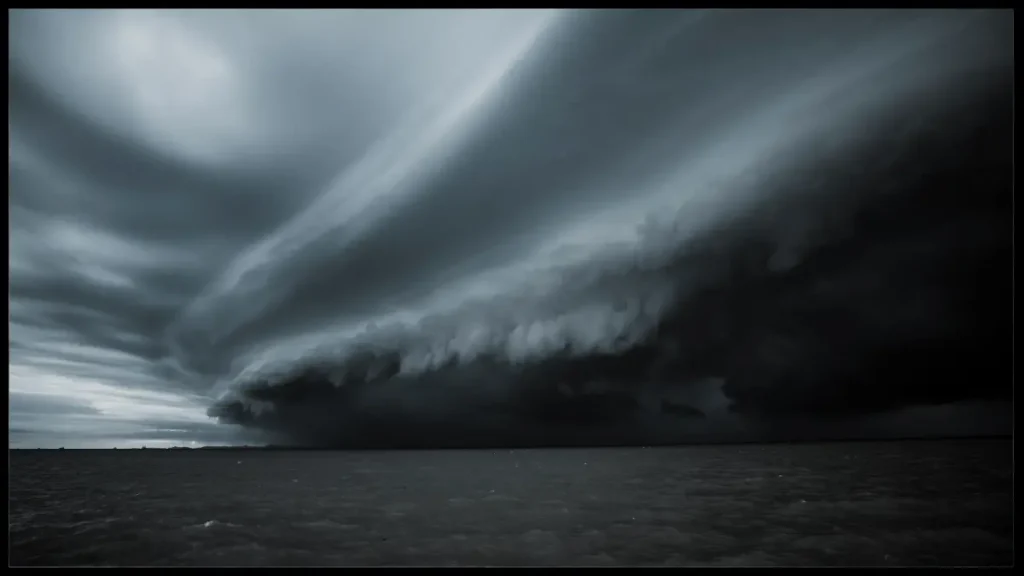
A developing hurricane window across Caribbean and U.S. Gulf corridors raises the odds of port restrictions, pilotage curbs, and weather-driven diversions. For owners and charterers, the cash effects show up fast: bunker burn from detours and slow-steaming, schedule slippage that can trigger demurrage, and short, sharp tightness in available capacity that can firm spot rates on affected lanes. The balance hinges on contract coverage, routing flexibility, and how quickly terminals clear backlogs once conditions ease.
During a storm window, harbors may restrict inbounds/outbounds, set higher wind thresholds, or suspend pilotage. Even short suspensions create queueing and knock-on delays across nearby gateways.
📉 Idle time and potential off-hire; 📈 brief spot firmness as effective capacity tightens.
Routing changes and weather delays
Masters slow or alter course to avoid heavy seas, adding days and fuel. Diversions to alternate ports shift discharge patterns and bunch arrivals when conditions improve.
Speed reductions, waypoint changes, sheltering; ETA resets; re-stow or partial discharge plans.
📉 Extra bunker burn and voyage OPEX; 📈 possible TCE uplift if regional tonnage tightens.
Terminal operations and yard recovery
Wind and lightning protocols slow or halt crane work. After the all-clear, labor and yard capacity drive the pace of clearing backlogs, with knock-on effects for feeders and hinterland flows.
📉 Longer port stays and congestion costs; 📈 premium for reliable terminals with surge capacity.
Charter-party and demurrage exposure
Weather clauses, FWE definitions, and notice formalities decide who carries time and cost. Poorly drafted language turns routine weather into margin leakage.
Laytime exceptions, NOR acceptance, shift/detention rules; diversion and change-of-rotation clauses.
📉 Unplanned owner costs where coverage is weak; 📈 protected TCE where clauses are tight.
Fuel costs and speed discipline
Sea-state penalties lift consumption. Owners balance safety speed vs. schedule risk; slow-steaming into congestion can save fuel and align ETAs with berths.
RPM caps, weather-routing services, smart bunkering windows, ROB optimization.
📉 Higher bunkers if speed maintained; 📈 cost control if slow-steam offsets sea-state burn.
Tanker trade specifics
USG and Caribbean disruptions ripple into load/discharge timing for crude and clean products. Cargo sequencing and ullage constraints can force rework or partials.
STS windows tighten, ullage planning, pumpable vs. weather limits; refinery offtake scheduling shifts.
📉 Delay risk and pumping time extensions; 📈 short-term TCE support on constrained windows.
Container network stability
Skipped calls and rotation edits cascade through weekly strings. Equipment imbalances and feeder knock-ons widen, especially where inland networks are weather-sensitive.
Blank sailings, extra loaders, cut-and-run calls, emergency BAFs and congestion fees.
📉 Higher operating costs and rollover penalties; 📈 selective yield support on tight corridors.
Insurance and risk pricing shifts
Underwriters review recent track forecasts and port risk. Elevated deductibles or exclusions can apply temporarily, particularly for older tonnage or high-wind berths.
Updated COFRs, port risk questionnaires, hull & machinery endorsements, business interruption limits.
📉 Higher cover costs on marginal risks; 📈 advantage to younger, well-classed fleets.
Notes: Effects vary by storm track and duration, local authority guidance, and each charter party’s weather language.
Storm Status Snapshot
Advisory posture
Elevated watch window across Caribbean/USG corridors; port conditions subject to rapid change.
Operational pinch points
Pilotage suspensions, crane wind limits, tidal constraints, and weather-routing detours.
Knock-on effects
Queue build-up, bunching at alternates, laytime disputes, and temporary equipment imbalance.
Winners (near term)
Owners with tight weather clausesTerminals with surge capacitySpot tonnage on constrained lanes
Losers (near term)
Schedules with tight laytime coverOlder tonnage at wind-exposed berthsFeeder networks without slack
ETA Buffer Guide (directional)
Segment
Typical corridor
Suggested ETA buffer
VLCC / Suezmax
USG ↔ Atlantic/Caribbean
+24–48 hours on approach legs
MR / LR products
USG/Caribbean ↔ Americas
+18–36 hours, align with berth windows
Containers
Caribbean feeders + USG mainline
+1 full rotation skip-or-slide option
Indicative planning bands; actual buffers track live port conditions and charter terms.
Charter-Party Weather Check
Laytime exceptions for weather clearly defined (wind, swell, lightning protocols).
NOR tender/acceptance rules workable under pilotage suspensions.
Diversion and change-of-rotation clauses specify cost/time allocation.
Demurrage, detention, and shift clauses aligned with port safety orders.
Force majeure language consistent with port authority advisories.
Bunker Exposure Bands
VLSFO
Sea-state penalties + detours raise consumption on approach legs.
MGO
Higher auxiliary use during weather port stays and re-stows.
LNG (dual-fuel)
Exposure depends on fuel mix strategy and charter coverage.
Route Playbook
Slow-Arrive
Reduce RPM to meet post-storm berth windows, trim fuel and avoid anchorage exposure.
Skip-and-Return
Cut-and-run on first call, return on next rotation to minimize crane downtime risk.
Alternate Gateway
Discharge at secondary port with stronger wind limits, relay by feeder or rail.
Weather windows in the Caribbean and U.S. Gulf tend to compress capacity just when fuel use rises. The owners that navigate this best pair solid charter coverage with disciplined speed and realistic ETA buffers, then pivot quickly to the terminals that clear backlogs fastest.