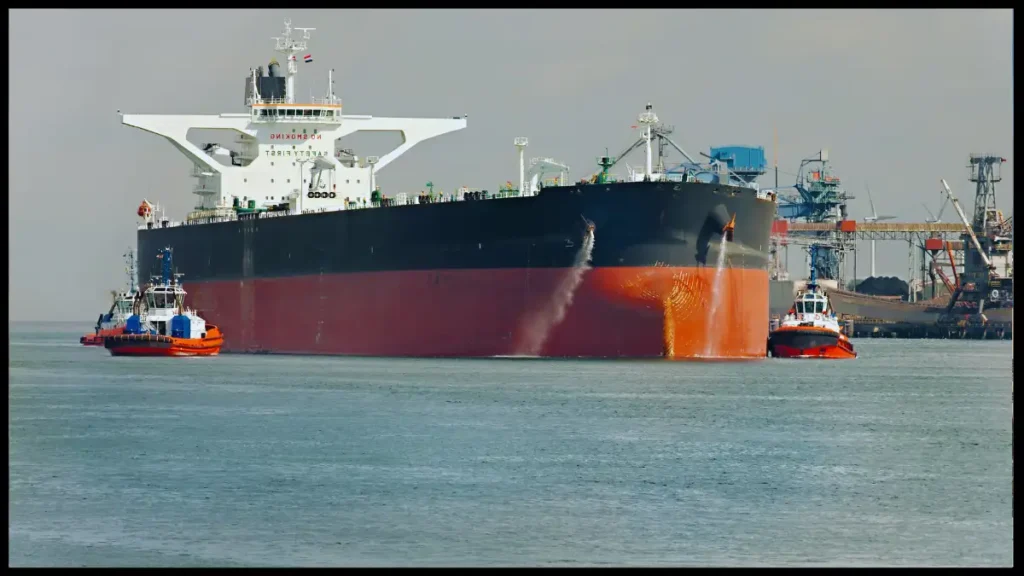
Europe-to-Asia oil flows just got a shock. Fresh U.S. sanctions now designate Russia’s two biggest oil producers, Rosneft and Lukoil, along with numerous subsidiaries and threaten secondary measures on foreign financial institutions that keep doing business with them. Indian refiners are already rethinking liftings, and crude prices popped on the headlines. For shipowners, this means tighter KYC, slower fixtures, and potential reroutes that can both lift tonne-miles and raise compliance costs, depending on your exposure and paper.
U.S. Designates Rosneft & Lukoil: Shipping & Trade Implications
Story
Summary
Business Mechanics
Bottom-Line Effect
Rosneft & Lukoil added to SDN list
OFAC designates both majors and many subsidiaries; 50% rule blocks entities they own or control.
U.S. persons barred; assets in U.S. blocked; global banks/insurers heighten controls.
📉 Counterparty pool narrows, legal/admin costs rise; 📈 compliant owners gain relative pricing power.
Secondary sanctions warning to foreign banks
Treasury signals penalties for financial institutions facilitating business with listed firms.
Letters of credit and USD clearing face stricter due diligence; some trades de-risked or dropped.
📉 Slower fixtures and higher financing premia; 📈 more lift for transparent, well-papered chains.
Indian refiners reassess Russian crude
Top Indian buyers review contracts and may cut purchases from the sanctioned suppliers.
Cargoes re-tendered or rerouted; potential switch to non-Russian grades & sellers.
📈 Tonne-miles can rise on alternative sourcing; 📉 near-term disruption risk for scheduled liftings.
Crude jumps on sanctions headlines
Oil rose ~3–5% as markets priced tighter access to Russian barrels and buyer caution.
Bunker & freight negotiations adjust; fuel clauses and surcharges activated where applicable.
📈 Revenue lift possible if rates follow prices; 📉 higher bunkers can clip TCEs without pass-through.
EU tightens energy stance in parallel
Fresh EU measures include moves against Russian LNG in Europe alongside U.S. actions.
Terminals and traders rebalance portfolios; origin checks intensify at regas gateways.
Notes: Scope, timing and market moves reflect U.S. Treasury statements (OFAC SDN listings, 50% rule, and foreign financial institution risk), major-media reporting on India buyer responses and price action, and EU measures taken in parallel. Effects vary by fleet transparency, charter coverage, and bank/insurance relationships.
What changed → Who’s affected → What to do now
Change: Rosneft & Lukoil added to SDN list; foreign-bank exposure risk flagged.
Affected: Tanker owners, traders, banks, and terminals handling Russian-linked flows.
Do now: Tighten KYC/attestations, re-check clauses (sanctions/diversion), prepare alternative sourcing lanes.
Route Shifts That Move Tonne-Miles
From → To
Approx. distance (nm)
Bottom-line read
Russia → India (down) → ME/WAF → India (up)
~4,500–6,000 vs ~2,800–3,800
Longer hauls support TCEs; more bunker exposure
Russia → EU (down) → U.S. Gulf/WAF → EU (up)
~4,000–5,000 vs ~1,500–3,000
Tonne-miles/volatility up; tighter Atlantic windows
Shadow hubs → “clean” hubs
+ detours/queuing (variable)
Higher cycle time; premium for transparent fleets
Distances are indicative great-circle ranges for common load/discharge pairs; actuals vary with weather, routing, and STS choices.
Winners
Transparent crude ownersEU/US-aligned terminalsBanks/clubs with strong KYC
Losers
Sanctioned/affiliated tradersOpaque STS chainsOwners reliant on gray employability
The sanctions tighten who you can trade with and how you finance it, which slows fixtures and raises paperwork costs. The flip side is that more barrels shift to cleaner routes and counterparties, stretching voyage distance and supporting earnings for transparent fleets. The next tells to watch are bank guidance on financing, fresh OFAC FAQs, and any hard signals from Indian refiners about alternative sourcing.