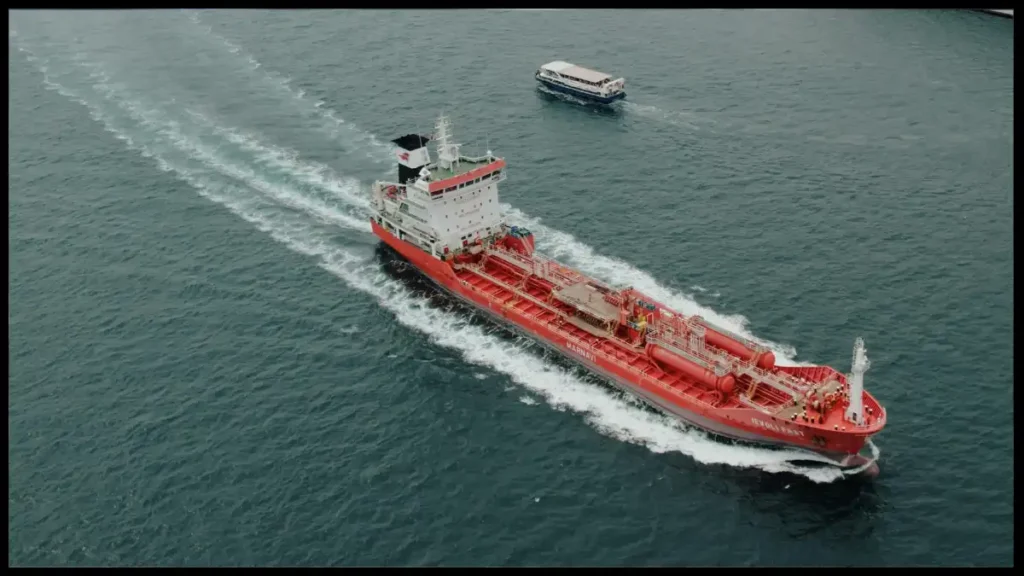
Global pressure on India and China to curb Russian barrels is heating up. Washington says New Delhi is already cutting, Brussels is closing a refinery backdoor into Europe, and enforcement on the shadow fleet is tightening. Yet trade data show Russian flows remain resilient and China’s crude imports are still up year over year. For shipowners, traders, and ports, the question is not ideology but cash flow: do sanctions and tariffs really redirect barrels, lengthen tonne-miles, and lift earnings, or do buyers simply rewire logistics and carry on.
India/China Pressure on Russian Oil: Industry Impact
Story
Impact
Business Mechanics
Bottom-Line Effect
US officials say India is sharply reducing Russian crude
Signals policy traction, while physical flows can lag as term deals unwind.
Tariffs and price-cap service rules lift compliance and reputational costs for buyers and service providers.
📈 Substitution lifts tonne-miles on Atlantic→India routes; better midsize tanker TCEs if cuts stick.
Tracking indicates Indian liftings remain resilient near term
Arrivals can rebound despite pressure due to seasonal demand and pricing incentives.
Refinery runs and spot arbitrage guide short-term choices more than headlines.
📉 Rate upside delayed until real cargo reallocation appears; status quo supports Russia→India lanes.
EU tightening proof of origin for refined products
Export hubs into Europe face higher documentation burdens and liability.
Supplier warranties, customs checks, and lookbacks increase admin steps and risk pricing.
📉 Refiner margins squeezed if spreads don’t cover costs; 📈 preference for compliant fleets/insurers.
UK widens sanctions to producers and shadow-fleet tankers
Service bans and freezes raise detention and diversion risks for opaque trades.
Clubs and banks screen IMO numbers, ownership chains, and AIS histories more closely.
📈 Effective compliant capacity tightens and supports day rates; 📉 higher insurance premia on marginal fixtures.
India books new Atlantic Basin barrels
Emerging cargoes from South America and other Atlantic sources add flexibility.
Spot liftings extend voyage distances and alter blending strategies in Indian slates.
📈 Longer hauls support Aframax/Suezmax utilization and raise demurrage opportunities.
Two-track outlook for tonne-miles and rates
Substitution case boosts utilization and volatility; inertia case adds friction without big flow changes.
Watch AIS patterns, refinery runs, EU customs rejections, and insurer exclusions for direction.
📈 Upside: firmer spot earnings on longer routes; 📉 Base: modest compliance costs and slower fixtures.
Notes: Effects vary by charter party, financing relationships, refinery slate flexibility, and exposure to named counterparties and lanes.
📈 Winners
Aframax & Suezmax owners (Atlantic→India)Transparent fleets with strong P&IRefiners with flexible slatesKYC / voyage data providers
📉 Losers
Opaque traders / designated affiliatesRefineries exporting Russia-derived fuels to EUHigh-risk STS chains without provenanceTerminals tied to scrutinized flows
Substitution Uplift Estimator
Illustrative tonne-mile change if a share of India’s Russian barrels is replaced by Atlantic Basin grades.
0.00 mbpd shifted
0 nm longer
0.00 ×10⁹ barrel-nm/day
0.0% tonne-mile vs baseline Russian liftings
Corridor Pressure Board
Corridor
Pressure point
Operational effect
Russia → India crude
Sanctions screening; service bans on select hulls
Longer fixture cycles; higher compliance premia
Atlantic Basin → India crude
Substitution demand and load-port congestion
Longer hauls; tighter midsize tanker availability
Refined products → EU
Proof-of-origin requirements and liability
Extra documentation; selective refusals at customs
STS chains near high-risk zones
AIS scrutiny; origin attestations
Added checks; delay and demurrage risk
Refinery Slate Switchboard
Lever
Why it moves
Near-term effect
Freight angle
Grade substitution
Differentials tighten or widen vs Urals
Blend tweaks; run-rate stability
Shifts to Atlantic cargoes extend voyages
Export mix
EU proof-of-origin hurdles
Reroutes to alternative markets
Different tonnage classes on new lanes
Contracting
Clause hardening under uncertainty
Longer negotiations; admin cost
Tighter compliant capacity pricing
Quick Watchlist
India refinery runs vs Russian arrivals and any Atlantic pickups
EU customs rejections tied to origin documentation
New insurer exclusions or P&I guidance on named corridors
AIS anomalies near known STS hotspots
Load-port congestion metrics in Atlantic export hubs
n short, the pressure campaign only matters if it shifts real barrels. Watch Indian refinery runs against on-the-water arrivals, any steady pickup of Atlantic grades, EU customs actions on refined-fuel origin, and new insurer exclusions. If substitution takes hold, expect longer voyages, tighter compliant capacity, and a firmer floor for midsize tanker earnings. If flows stay resilient, the near-term story is higher compliance costs, slower fixtures, and selective counterparty risk rather than a broad rate reset. Stakeholders should price contracts with clear sanctions and proof-of-origin clauses, line up alternative grades and load ports, and keep a live screen on AIS patterns and terminal behavior.