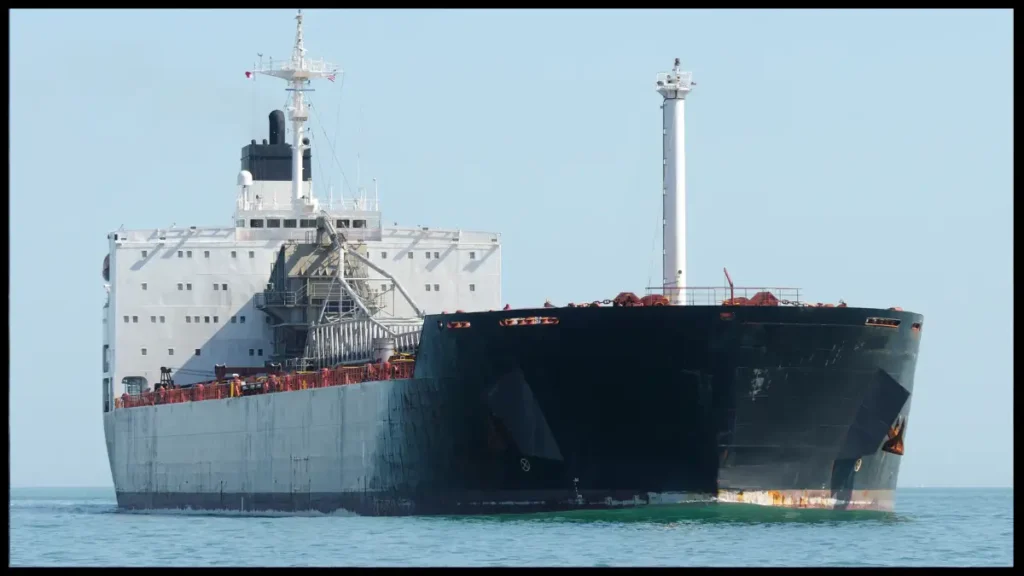
The forward curve is leaning into contango from early 2026, backed by forecasts of supply exceeding demand and a loosening prompt market. Wider spreads incentivize storage plays and longer voyages, which generally help large crude carriers, though today’s higher financing costs raise the hurdle for profitable carry trades. Recent data show narrowing backwardation and stronger surplus projections into 2026; if spreads deepen, floating storage and restocking can lift utilization, TCEs, and asset values across the crude tanker stack.
Contango Into 2026: Industry P&L Impact
Story
Impact
Business Mechanics
Bottom-Line Effect
Timespreads tip into contango from early 2026
Encourages storage and deferred sales as later barrels price higher than prompt.
Classic carry trade: buy spot, fund storage and freight, sell forward, lock spread.
📈 Supportive for floating storage and VLCC utilization if spreads widen sufficiently.
Oversupply signals grow for 2025–2026
Higher output versus slower demand growth points to inventory builds.
OPEC+ unwinds cuts; non OPEC supply expands in the Americas.
📉 Near-term price pressure; 📈 more barrels to move and store favors crude tonnage.
Prompt backwardation narrows materially
Lower incentive to sell immediately; refiners and traders eye restocking windows.
Seasonal maintenance and softer runs reduce prompt pulls.
↔ Mixed for near-term freight; 📈 constructive for storage-linked demand if contango persists.
Higher rates raise carry trade thresholds
Storage plays require deeper spreads to break even.
Carry = forward premium minus interest, storage, insurance, freight.
📉 Marginal storage trades fail if spreads are shallow; 📈 strong contango still monetizable.
Floating storage sensitivity to VLCC hire
When day rates rise, the contango must widen to offset freight.
High TD3C/USG–China rates improve earnings for ballasters but cap storage viability.
📈 Owners gain on transport; ↔ storage decisions hinge on spread minus hire and carrying costs.
Refined products may lag crude in storage incentives
Arb windows depend on regional cracks and spec constraints.
Blending, quality, and seasonal specs limit long holding periods.
↔ Selective benefit for MRs/LRs; 📈 strongest lift typically accrues to large crude carriers.
Floating storage and oil in transit trend higher
More barrels on the water extend voyage times and reconfigure routing.
Storage-at-sea lifts effective tonne-miles and tightens available spot supply.
📈 Rate support from longer employment and reduced prompt availability.
Watch spreads, rates, and policy
Key signals include 3–12 month timespreads and TD3C/USG–Asia VLCC benchmarks.
Trade frictions and port fees can augment storage incentives by disturbing flows.
📈 Upside if contango deepens with manageable hire; 📉 downside if spreads compress or funding costs rise.
Notes: Structure and rate dynamics reflect market indications. Storage viability depends on the forward premium relative to financing, freight, insurance, storage fees, and quality considerations.
Contango Breakeven Sketch
Total contango required
$0.00 per bbl
Monthly spread hurdle
$0.00 per bbl per month
All-in carrying cost
$0
Illustrative math for crude storage on a large tanker. Actual outcomes depend on rates, quality, and term structure.
Tenor
1 month
Typically suits onshore tanks or quick inventory rebuilds where handling is minimal.
Tenor
3 months
Viable for floating storage if hire and finance are moderate and quality risks manageable.
Tenor
6 months
More room for carry after costs; watch insurance, bunker, and inspection requirements.
Tenor
12 months
Longer storage hinges on stable quality and access to financing at acceptable rates.
📈 Winners
VLCC owners with flexible charters and ballast options
Traders with access to low-cost finance and tank capacity
Storage hubs positioned near key export flows
📉 Losers
Refiners facing softer prompt pulls and higher inventory financing
Owners locked into high hire or limited layup flexibility
Product carriers when quality constraints limit long storage
Flow Effects Radar
Barrels in transit rise as holders wait for later delivery windows
Longer laden legs and repositioning cut prompt spot availability
Rate dispersion increases between storage capable and non storage trades
Financing cost becomes the pivot for carry viability and scale
Timespreads
3 to 12 month Brent and Dubai
Depth and persistence of contango
Freight
VLCC benchmarks
Hire level versus storage hurdle
Finance
Dollar rates and credit terms
Carry netback after funding
A deeper contango into 2026 lifts optionality for storage and extends voyage times, generally supporting large crude carriers. The lift is not automatic; the spread must clear higher financing and hire costs, and quality risks grow with time. If the curve holds and rates remain manageable, utilization and earnings for storage capable tonnage improve, while prompt oriented trades and refiners face softer near term pulls and tighter inventory math.